Loading video...

Video Failed to Load

Go Home

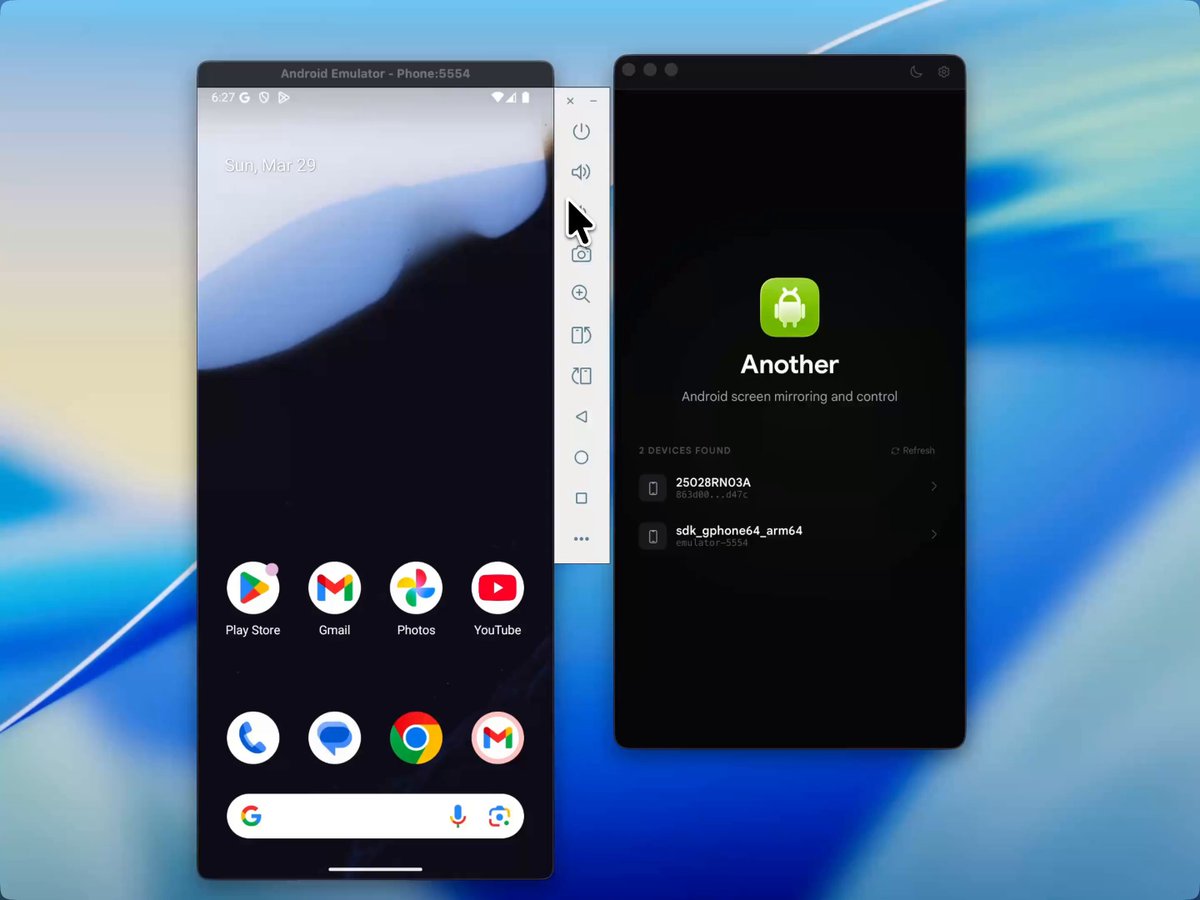
Did you know that WSL1 evolved from an Android emulator? (Windows Phone fans might remember Project Astoria) 📱 I was able to port the stack over to contemporary x86 Windows 10 desktop builds, adding Android app support with very little overhead ⭐ ❤️ research projects like this

26,597 views • 1 year ago •via X (Twitter)

11 Comments

Empyreal96's profile picture
Empyreal961 year ago

It can also run on builds up to a certain point.. Almost-rs1 anyone?

Cody "K0mraid" Stobaugh's profile picture
Cody "K0mraid" Stobaugh1 year ago

Oh this is cool! Are you planning on sharing it on Github maybe?! 🙏

Albacore ☁️'s profile picture
Albacore ☁️1 year ago

I could probably write a tutorial, redistributing a lot of the Windows Phone binaries is probably a bit of a grey area so you'd need to go on an easter egg hunt

Hayden Barnes's profile picture
Hayden Barnes1 year ago

I’m sure you know this but fun to point out that the AOSP source used for the project is still on the Microsoft open source compliance portal.

Trung Nguyen's profile picture
Trung Nguyen1 year ago

Interesting. A week ago I got it running on x86 Windows 10 build 10563. Build 14251 also allowed installing the core driver, but ran into issues when installing apps.

Albacore ☁️'s profile picture
Albacore ☁️1 year ago

My approach didn't need any wconnect patches so far

Florian's profile picture
Florian1 year ago

I ran twitter for android on my 920 for a few months on insider build. It was quite slow but it worked (i guess that was part of the reason it was axed, that & play services).

Taras Buria's profile picture
Taras Buria1 year ago

Ah, the memories of running Android apps on my Lumia 1520

techosarusrex's profile picture
techosarusrex1 year ago

This looks super cool :)

Mr. Jackson/Sago's profile picture
Mr. Jackson/Sago1 year ago

What's this song from again?

Albacore ☁️'s profile picture
Albacore ☁️1 year ago

Spyro 1 title screen

Related Videos

This guy deserves to get Famous .. Such an amazing achievement at such young age .. The AirPods Feature Apple Quietly Took Away From Android Users Most companies build ecosystems. Apple builds walls. If you use AirPods with an Android phone, you already know this. Noise cancellation disabled. Ear detection gone. Features you paid for, locked behind a device you don't own. Not because the hardware can't do it because Apple decided it shouldn't. For most people, that's just the cost of choosing Android. Something you accept and move on from. Kavish Dewar didn't move on. In this video, we cover the full story: 1. How Apple restricts AirPods features on Android and why it is a deliberate design choice, not a technical limitation 2. How a 16-year-old high school student from Gurugram reverse-engineered that restriction system with no team, no funding, and no formal training 3. What LibrePods actually does and why it works so effectively 4. How the project went from a bedroom in Gurugram to GitHub's trending page to global coverage by The Verge 5. Why Kavish made LibrePods completely free and open source and what that decision says about the difference between building for impact versus building for profit Why this story matters beyond the tech: LibrePods is not just a clever app. It is a direct challenge to the idea that trillion dollar companies get to define the limits of what you can do with hardware you already own. One teenager decided that was worth fighting not with lawyers, not with a startup, but with clean code and an open license. That is a different kind of power. And it is available to anyone willing to use it.

AstroCounselKK 🇮🇳

31,158 views • 4 months ago