Загрузка видео...

Не удалось загрузить видео

На главную

difference between the rhythym guitar (gaon) and the lead guitar (junhan) 🎙️: can you please explain a little bit the difference between the rhythm and lead guitar? 🐥: if you compare it to rice soup, i am the broth and junhan is the meat. 🎙️: ah you cannot separate...

32,128 просмотров • 9 месяцев назад •via X (Twitter)

Комментарии: 0

Нет доступных комментариев

Здесь появятся комментарии из оригинального поста

Похожие видео

Rick Rubin on why "less is more" is harder than it sounds: "If you're stacking a lot of things on top of each other, each one of those things becomes less important. So if you have 10 things, each one of them is one-tenth as important as one by itself." That's why reducing is harder than building. Rick explains: "If you're making something and you want the least amount involved, those things have to be really critically curated because they're doing the work of everything and nothing is hidden." Then he gives the example that makes the whole idea land... Guitars. "A lot of recordings are made where a guitarist plays and then they double it and triple it and they create this wall of guitars. And when there's a wall of guitars, you hear guitar, but you don't hear someone playing guitar. You just hear guitar. It becomes more generic." The alternative is the version most producers won't commit to: "When one person plays it and you can hear their fingers on the strings, it's got more personality, it's more human. And I tend to look for those things where the singular essence shows through." The lesson sits underneath almost everything Rick has made. Stacking is safer. Doubling and tripling hides the player, smooths the edges, and lets you avoid choosing. But it also strips out the thing that makes the work feel like it came from a specific human being. The personality lives in the parts you can hear fingers on, the parts that weren't covered up. Less is more, but only if you're willing to do the harder work of curating ruthlessly enough that every remaining element earns its place.

Founder Mode

42,199 просмотров • 3 месяцев назад

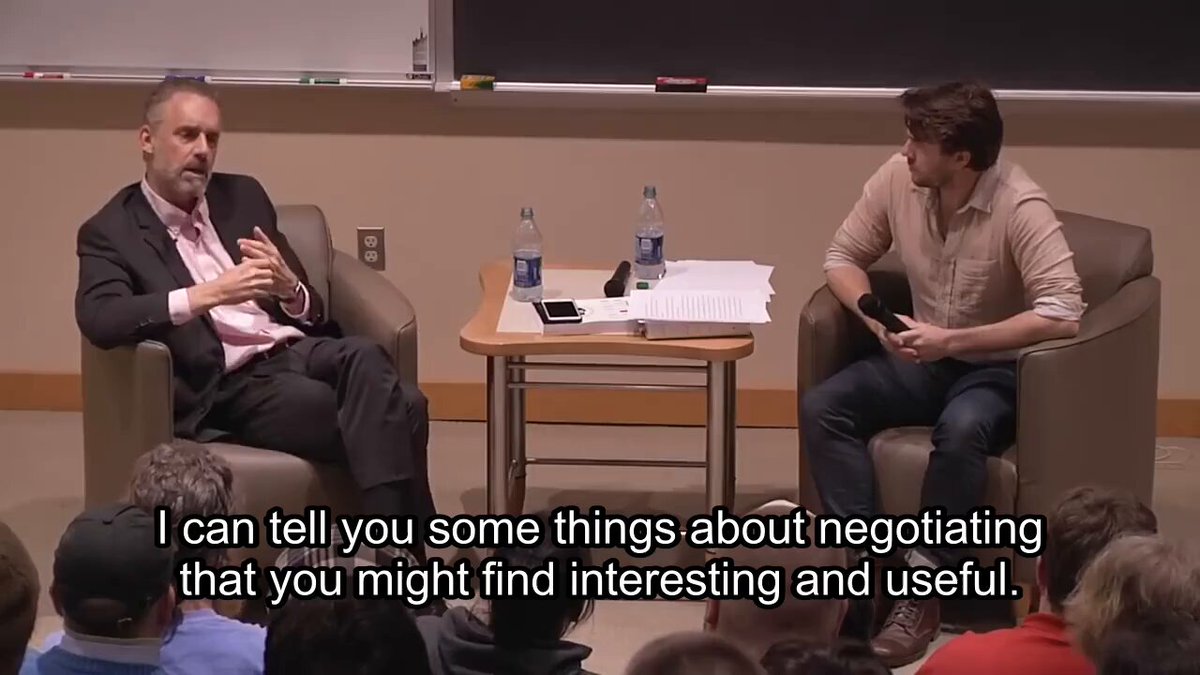
Jordan Peterson: "If you're competent and silent you will be ignored." "You might think well people should reward you because you're competent. And yes of course they should. But if you're competent and silent then you're just part of the background that's keeping everything functioning" On why you cannot negotiate from a position of weakness: "If you want to push your career forward you have to push it forward. You have to be competent and you have to be strategic" "To be strategic when you negotiate for a new position or a new salary you have to be able to say if you don't give me what I want then something you don't like will happen to you" "It's not a physical threat. It's that you have an option" "You have your CV in order. You're educated and competent and desirable to people outside of your immediate job. You're willing to instantly put yourself on the job market" "So that when you go talk to the person you're negotiating with you're credible" On the one thing most people completely miss about negotiation: "It's very seldom that you're talking to the person who's at the top of the pecking order. What you need to do is tell them a story that they can tell to their boss to make you not a problem" "A good story is look we really need this person because they're hyper competent and they have a better offer" "If you go in there with no power you're going to lose. Obviously" He concludes with the one thing every competent person needs to hear: "The first thing you need to know if you're going to negotiate is that you have to be able to say no. And what no means is that you're not going to do it"

Brad

34,992 просмотров • 26 дней назад