Video wird geladen...

Video konnte nicht geladen werden

Zur Startseite

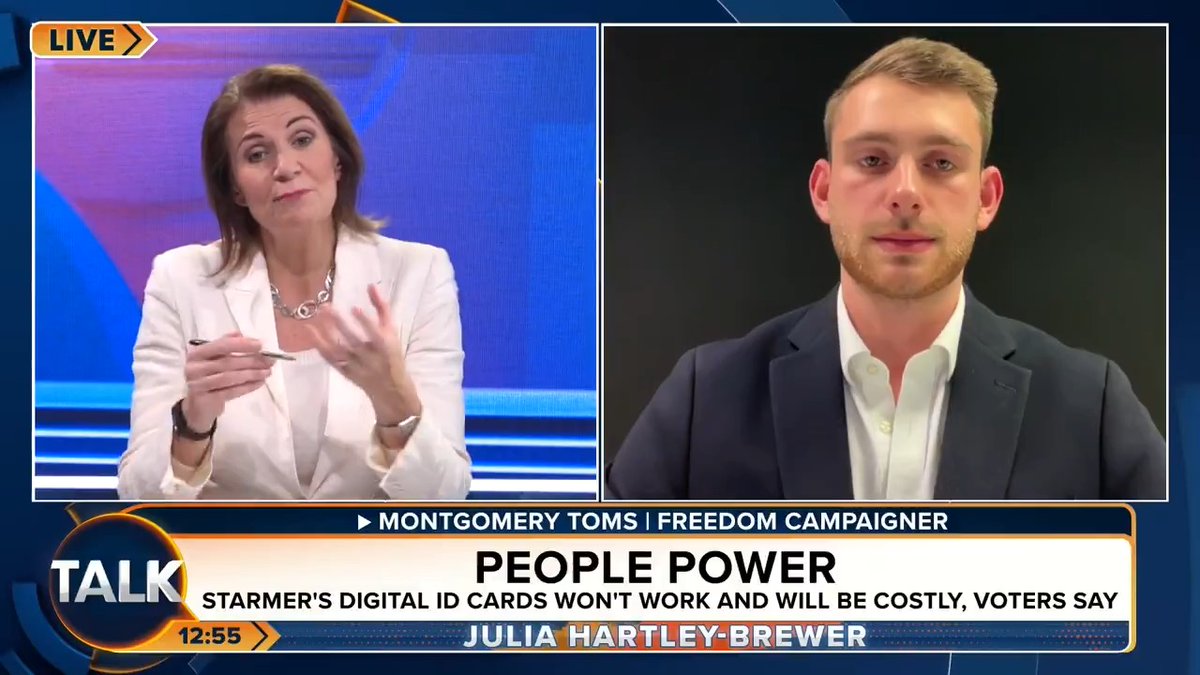
DIGITAL ID: "Who knows how much data could be exposed and leaked to the wrong people?" – Montgomery Toms 100,000 UK taxpayer accounts just hit in £47m phishing attack on HM Revenue & Customs A national digital ID would be huge target for hackers & criminals, exposing us all...

22,643 Aufrufe • vor 1 Jahr •via X (Twitter)

0 Kommentare

Keine Kommentare verfügbar

Kommentare vom Original-Post werden hier angezeigt

Ähnliche Videos

The Digital ID Will Change the Lives of Every Australian - For the Worse ... As much as the Government attempts to downplay the importance of introducing a single central digital identifier for all Australians, the truth is that this legislation is the most significant I've encountered during my time in the Senate. It's the glue that holds together the digital control agenda by which every Australian will be controlled, corralled, exploited and then gagged when they speak or act in opposition. The government knows Digital ID will be compulsory by the device of preventing access to government services, banking services, air travel and major purchases for any Australian who does not have a Digital ID. The Digital ID will, in effect, create a live data file of your movements, purchases, accounts and associates containing reference to every piece of data being held in the private and government sector as a first step in a wider agenda. Tech giants have been building huge data files on every Australian for years. Those huge data files that contain every website you visited, every post you made on their social media, everything you have ever bought online. Keywords scanned from conversations overheard by Siri and Alexa in your home are now unmasked. Until now, that data was anonymised using a unique identifier rather than name and address, which has always been there as well. However, tech companies were not allowed to use it or share data with others that included the person's name and address. Until Now. Look for the tech giants to ask for your Digital ID as a requirement of using their service. The point of that exercise is to ensure they put the right name on the right data treasure trove. This is why the Liberal Party have moved amendments to the Digital ID Bill to bring private corporations into this roll out earlier. All those treasure troves of data worth billions, trillions, that have been accumulated for years illegally, by retailers, tech and data companies - all that unrealised profit just sitting there has been too much of a temptation for the Liberal Nationals to resist and is now joined with Labor in pushing Digital ID. There will be no escape from the digital ID. Australians now have a digital version of "papers please" and Australians will never be the same.

Malcolm Roberts 🇦🇺

217,182 Aufrufe • vor 2 Jahren

🚨 UK DIGITAL ID PLAN SPARKS PRIVACY BACKLASH Labour’s emerging digital ID system is facing growing criticism after new details revealed plans to link multiple government services through a single digital platform. Political commentator Reem Ibrahim warned that while the system may not be officially mandatory, it could become effectively unavoidable in practice. Her concern is that citizens will technically retain the option to avoid digital ID — but the alternative could be made so slow and complicated that most people will feel forced to adopt it. “De facto, it becomes mandatory,” she argued. Critics say the proposal could fundamentally reshape the relationship between the state and the individual, with large amounts of personal data potentially consolidated across government services. Supporters of digital ID systems argue they improve efficiency, reduce fraud, and simplify access to public services. But opponents warn that concentrating so much data in one place creates serious risks — from privacy erosion to cybersecurity vulnerabilities. Another issue raised by critics is the question of democratic mandate. Opponents note that millions previously signed petitions opposing mandatory ID systems, and argue the current proposals were not clearly presented to voters beforehand. At the heart of the debate is a deeper question about the future of governance in the digital age: How much convenience should citizens trade for control over their personal data — and how much power should governments hold over the digital identities of their populations?

Jim Ferguson

18,645 Aufrufe • vor 5 Monaten