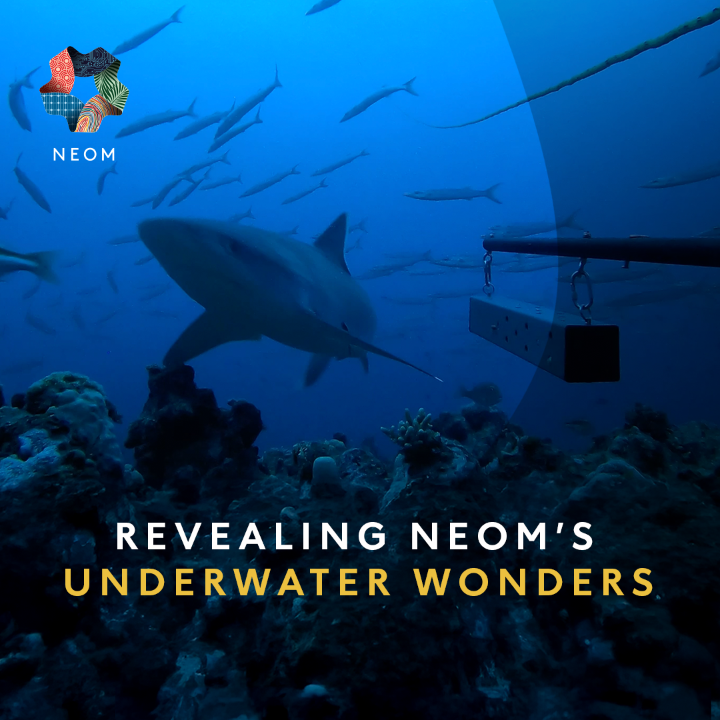
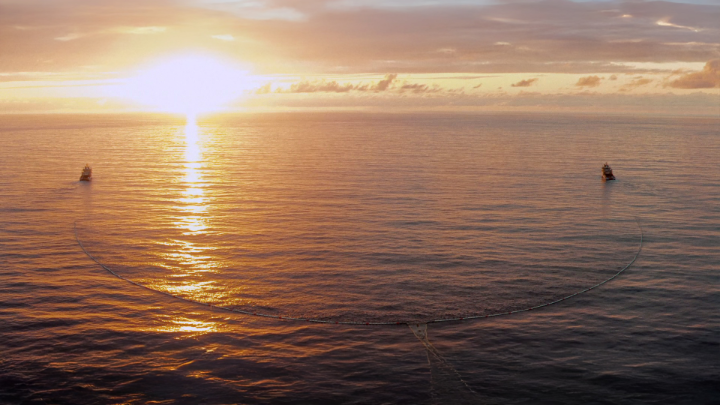
Loading video...
Video Failed to Load
Dropping blocks in the oceans to help marine life

1,291,844 views • 1 year ago •via X (Twitter)
11 Comments

Dropping blocks—typically concrete or specially designed artificial reef structures—into the ocean helps marine life in several ways: Creating Habitats – These blocks provide surfaces where corals, sponges, and algae can attach and grow, creating a new home for marine organisms. Over time, they develop into thriving artificial reefs. Increasing Fish Populations – Many fish species use artificial reefs for shelter, spawning, and hunting, leading to more biodiversity and healthier fish populations. Protecting Natural Reefs – By offering alternative habitats, artificial reefs help reduce pressure on overexploited or damaged natural coral reefs. Preventing Coastal Erosion – Large reef structures can act as natural breakwaters, reducing wave energy and helping protect shorelines from erosion. Restoring Marine Ecosystems – In areas where natural reefs have been destroyed by pollution, climate change, or human activities, artificial reefs help rebuild marine ecosystems. Enhancing Fisheries – Many fishing communities benefit from artificial reefs because they attract commercially valuable fish species, supporting local economies.

I guess I see the logic.

Treasure hunters right now:

Minecraft Lego sets: where Minecraft and Lego meet! I think they did an especially good job on the little figures. Click an image below or see them all at:

Blocks are dropped into the ocean to create artificial habitats, offering shelter and breeding grounds for marine species like corals and fish. They help restore ecosystems, protect coasts by reducing wave energy, and combat ocean acidification to support biodiversity and stabilize degraded habitats.

for anyone wondering: Dropping blocks in the ocean creates artificial reefs, providing shelter for marine species. This promotes biodiversity and helps restore damaged marine ecosystems.

What landing looks like from the eyes of Pilots..

"Dropping blocks in the oceans to help marine life 🌊🏗️ Because sometimes, saving the planet means getting creative." 1️⃣ Why this is awesome: These concrete blocks aren’t just random chunks of material—they’re underwater condos for marine life. Fish, crustaceans, and algae move in, turning these structures into bustling neighborhoods. Who knew real estate could be so… deep? 🐟🏠 2️⃣ What’s the science behind it? Artificial reefs mimic natural ones, providing surfaces for organisms to attach, hide, and thrive. They’re like nature’s version of “if you build it, they will come.” Plus, they help restore biodiversity in areas where coral reefs have been damaged or destroyed. 🌿✨ 3️⃣ The bigger picture: While some critics worry about unintended consequences (like disrupting fishing), these reefs can also boost local ecosystems and even support sustainable fishing by creating new breeding grounds. It’s a balancing act—literally and figuratively. ⚖️🌊 4️⃣ Bonus thought: If these concrete blocks could talk, they’d probably say: “Move over, natural reefs—we’re here to save the day!” Or maybe just, “Please don’t step on me, I’m working.” 😅 In short: Whether it’s boosting biodiversity or giving fish a new home, these underwater cities are proof that innovation can make waves in conservation. Who else thinks we should rename them “Fish Apartments”? 🏙️💙 #ArtificialReefs #OceanConservation #MarineLifeGoals

Doing that creates artificial reefs.

Marine life:

they do this so the blocks sit on the bottom and give a fresh surface for coral to grow on. coral provides an ecosystem for other life to also flourish.