Загрузка видео...

Не удалось загрузить видео

На главную

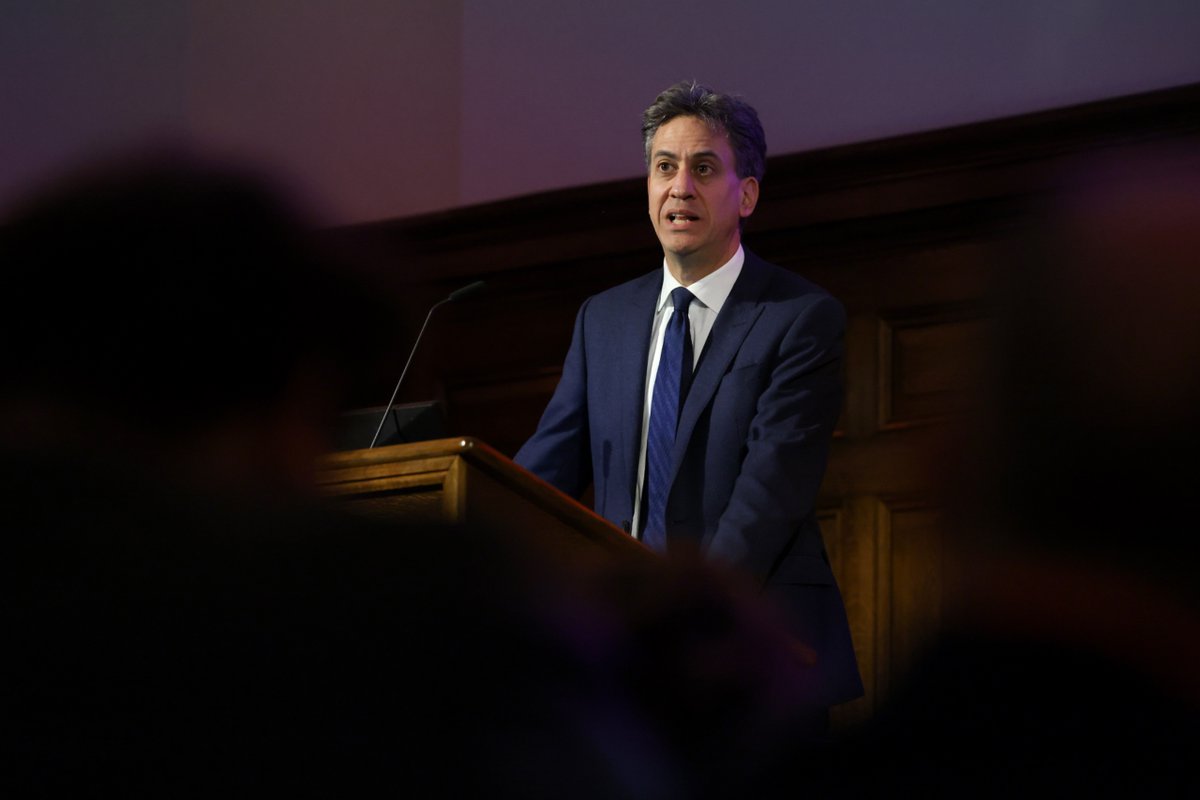
Earlier this morning on Channels Television, we discussed about the recent grid collapse challenges and the way forward. I disagree that every state should have its own grid. Centralisation of the grid is still the most efficient and effective means of delivering service to consumers. Watch all:

19,881 просмотров • 7 месяцев назад •via X (Twitter)

Комментарии: 0

Нет доступных комментариев

Здесь появятся комментарии из оригинального поста

Похожие видео

For years, green groups have hailed electrification as a core climate solution. And now that we’re suddenly in the middle of historic load growth, they’re largely unprepared to meet the moment with big ideas. “We should all be embarrassed,” says Jane Flegal on this week's Open Circuit episode. For a long time, the climate community talked about aggressive electrification and the need to expand and modernize the grid. But now that future is arriving, the response has been fragmented or defensive. Some groups have leaned into affordability. Others are debating who should pay. And there are increasing calls for data center moratoriums. But there’s been very little thinking about how to plan and build at the scale this moment actually requires. "There's kind of like a rude awakening happening now, where everyone's like, ‘what was our plan to actually build?' she says. Jane has an idea. She proposes a new kind of grid infrastructure fund to bring hyperscalers, utilities, and policymakers into tighter coordination and to use demand as leverage to invest in the grid in a way that actually serves the public. Jigar Shah and I dug into the idea with her. We are mired in debates about grid-connected vs off-grid data centers, gas vs renewables, and who should pay for it all. But those debates are downstream of a bigger issue: we don’t have a system that can plan, coordinate, and build the grid for this era.

Stephen Lacey

90,569 просмотров • 5 месяцев назад