正在加载视频...

视频加载失败

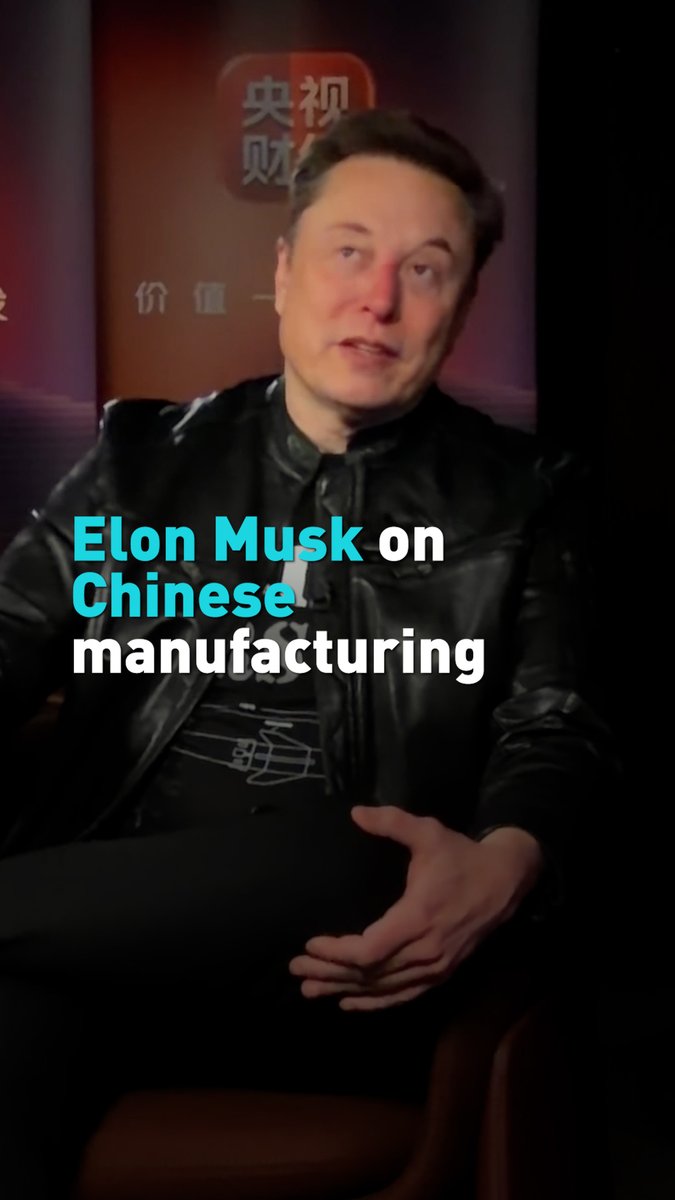
Elon Musk: "Tesla recruiting does not have anything that says 'requires university' because that's absurd." Instead, Musk says Tesla looks for evidence of exceptional ability. • A college degree is not considered proof of exceptional ability. • Candidates should demonstrate that they've actually done something exceptional. • Musk points...

55,812 次观看 • 4 天前 •via X (Twitter)

0 条评论

暂无评论

原始帖子的评论将显示在这里

相关视频

Elon Musk just put a price tag on obedience. It costs $200,000. Musk: “You don’t need college to learn stuff. Everything is available basically for free. You can learn anything you want for free.” Every lecture. Every textbook. Every framework ever written. Free on any screen in any country right now. The entire knowledge monopoly collapsed in a decade. Nobody updated the price tag. Musk: “Colleges are basically for fun and to prove you can do your chores. But they’re not for learning.” Strip the ivy and the branding. What’s underneath is a four-year obedience trial. Can this person follow instructions on a schedule without asking why. Musk: “There is a value that colleges have, which is seeing whether somebody can work hard at something, including a bunch of annoying homework assignments, and still do their homework assignments.” That is the entire six-figure value proposition. Not what you know. Not what you can build. Whether you can be managed. The establishment doesn’t need you educated. It needs you domesticated. Musk: “If you’re trying to do something exceptional, you must have evidence of exceptional ability. I don’t consider going to college evidence of exceptional ability.” The system doesn’t produce exceptional. It produces manageable. It takes the most creative years of your life and teaches you to wait for instructions. That is not education. That is containment. Musk: “Gates is a pretty smart guy, he dropped out. Jobs is pretty smart, he dropped out. Larry Ellison, smart guy, he dropped out.” They didn’t leave because they couldn’t keep up. They left because the ceiling was underground. 8 billion people now carry the same library in their pocket. The one these institutions charged a lifetime of debt to access. The only product the university still sells is the belief that you need one.

Dustin

1,393,476 次观看 • 1 个月前

Elon Musk just put the entire university system on trial. Not the curriculum. Not the professors. The premise. Musk: “You don’t need college to learn stuff. Everything is available basically for free. You can learn anything you want for free.” For a thousand years, universities held one monopoly. Access. You paid the toll or you stayed ignorant. The internet erased that in a decade. Every lecture. Every framework. Every textbook. Free. From any screen on Earth. The six-figure tuition is no longer buying knowledge. It is buying a signal. Musk: “There is a value that colleges have, which is seeing whether somebody can work hard at something, including a bunch of annoying homework assignments, and still do their homework assignments.” That is the product. Not intelligence. Not creativity. Not vision. Compliance. You are paying $200,000 to prove you can tolerate bureaucracy on a schedule. Musk: “Colleges are basically for fun and to prove you can do your chores. But they’re not for learning.” The entire system is a sorting machine for corporate HR. It does not measure what you can build. It measures whether you can sit still, follow directions, and deliver on command. Four years of obedience dressed as education. Musk: “If you’re trying to do something exceptional, you must have evidence of exceptional ability. I don’t consider going to college evidence of exceptional ability.” The system optimizes for average. It rewards the compliant. It certifies the patient. It quietly filters out everyone who refuses to wait for permission. The ones who reshaped the modern world never finished the test. Musk: “Gates is a pretty smart guy, he dropped out. Jobs is pretty smart, he dropped out. Larry Ellison, smart guy, he dropped out.” They did not drop out because it was too hard. They dropped out because the speed limit was too low. The most dangerous thing a university does is convince a generational talent that finishing the syllabus is the achievement. It is not. It is the floor. A degree is a receipt for compliance. The future has never belonged to people who finish their homework. It belongs to the ones who never needed the assignment.
1:25

Sensitive content

Elon Musk just put the entire university system on trial. Not the curriculum. Not the professors. The premise. Musk: “You don’t need college to learn stuff. Everything is available basically for free. You can learn anything you want for free.” For a thousand years, universities held one monopoly. Access. You paid the toll or you stayed ignorant. The internet erased that in a decade. Every lecture. Every framework. Every textbook. Free. From any screen on Earth. The six-figure tuition is no longer buying knowledge. It is buying a signal. Musk: “There is a value that colleges have, which is seeing whether somebody can work hard at something, including a bunch of annoying homework assignments, and still do their homework assignments.” That is the product. Not intelligence. Not creativity. Not vision. Compliance. You are paying $200,000 to prove you can tolerate bureaucracy on a schedule. Musk: “Colleges are basically for fun and to prove you can do your chores. But they’re not for learning.” The entire system is a sorting machine for corporate HR. It does not measure what you can build. It measures whether you can sit still, follow directions, and deliver on command. Four years of obedience dressed as education. Musk: “If you’re trying to do something exceptional, you must have evidence of exceptional ability. I don’t consider going to college evidence of exceptional ability.” The system optimizes for average. It rewards the compliant. It certifies the patient. It quietly filters out everyone who refuses to wait for permission. The ones who reshaped the modern world never finished the test. Musk: “Gates is a pretty smart guy, he dropped out. Jobs is pretty smart, he dropped out. Larry Ellison, smart guy, he dropped out.” They did not drop out because it was too hard. They dropped out because the speed limit was too low. The most dangerous thing a university does is convince a generational talent that finishing the syllabus is the achievement. It is not. It is the floor. A degree is a receipt for compliance. The future has never belonged to people who finish their homework. It belongs to the ones who never needed the assignment.

Dustin

623,416 次观看 • 4 个月前

Elon Musk just put the entire university system on trial. Not the curriculum. Not the professors. The premise. Musk: “You don’t need college to learn stuff. Everything is available basically for free. You can learn anything you want for free.” For a thousand years, universities held one monopoly. Access. You paid the toll or you stayed ignorant. The internet erased that in a decade. Every lecture. Every framework. Every textbook. Free. From any screen on Earth. The six-figure tuition is no longer buying knowledge. It is buying a signal. Musk: “There is a value that colleges have, which is seeing whether somebody can work hard at something, including a bunch of annoying homework assignments, and still do their homework assignments.” That is the product. Not intelligence. Not creativity. Not vision. Compliance. You are paying $200,000 to prove you can tolerate bureaucracy on a schedule. Musk: “Colleges are basically for fun and to prove you can do your chores. But they’re not for learning.” The entire system is a sorting machine for corporate HR. It does not measure what you can build. It measures whether you can sit still, follow directions, and deliver on command. Four years of obedience dressed as education. Musk: “If you’re trying to do something exceptional, you must have evidence of exceptional ability. I don’t consider going to college evidence of exceptional ability.” The system optimizes for average. It rewards the compliant. It certifies the patient. It quietly filters out everyone who refuses to wait for permission. The ones who reshaped the modern world never finished the test. Musk: “Gates is a pretty smart guy, he dropped out. Jobs is pretty smart, he dropped out. Larry Ellison, smart guy, he dropped out.” They did not drop out because it was too hard. They dropped out because the speed limit was too low. The most dangerous thing a university does is convince a generational talent that finishing the syllabus is the achievement. It is not. It is the floor. A degree is a receipt for compliance. The future has never belonged to people who finish their homework.

Shadow Intel

11,188 次观看 • 27 天前

Elon Musk just put the entire university system on trial. Not the curriculum. Not the professors. The premise. Musk: “You don’t need college to learn stuff. Everything is available basically for free. You can learn anything you want for free.” For a thousand years, universities held one monopoly. Access. You paid the toll or you stayed ignorant. The internet erased that in a decade. Every lecture. Every framework. Every textbook. Free. From any screen on Earth. The six-figure tuition is no longer buying knowledge. It is buying a signal. Musk: “There is a value that colleges have, which is seeing whether somebody can work hard at something, including a bunch of annoying homework assignments, and still do their homework assignments.” That is the product. Not intelligence. Not creativity. Not vision. Compliance. You are paying $200,000 to prove you can tolerate bureaucracy on a schedule. Musk: “Colleges are basically for fun and to prove you can do your chores. But they’re not for learning.” The entire system is a sorting machine for corporate HR. It does not measure what you can build. It measures whether you can sit still, follow directions, and deliver on command. Four years of obedience dressed as education. Musk: “If you’re trying to do something exceptional, you must have evidence of exceptional ability. I don’t consider going to college evidence of exceptional ability.” The system optimizes for average. It rewards the compliant. It certifies the patient. It quietly filters out everyone who refuses to wait for permission. The ones who reshaped the modern world never finished the test. Musk: “Gates is a pretty smart guy, he dropped out. Jobs is pretty smart, he dropped out. Larry Ellison, smart guy, he dropped out.” They did not drop out because it was too hard. They dropped out because the speed limit was too low. The most dangerous thing a university does is convince a generational talent that finishing the syllabus is the achievement. It is not. It is the floor. A degree is a receipt for compliance. The future has never belonged to people who finish their homework.

Shadow Intel

71,227 次观看 • 2 个月前

Elon Musk reveals the single question he uses to spot liars in interviews: "When I interview somebody, I really just ask them to tell me the story of their career, what are some of the tougher problems they dealt with, how they dealt with those, and how they made decisions at key transition points. Usually that's enough to get a very good gut feel about someone." Elon explains what he's looking for: "What I'm really looking for is evidence of exceptional ability. Did they face really difficult problems and overcome them?" Then he shares how to tell if someone is lying about their accomplishments: "You want to make sure that if there was some significant accomplishment, were they really responsible, or was somebody else more responsible? The person who actually had to struggle with the problem, they really understand it. They don't forget. You can ask them very detailed questions about it and they will know the answer. The person who was not truly responsible for that accomplishment will not know the details." On whether college degrees matter: "There's no need to have a college degree at all. Or even high school. If somebody graduated from a great university, that may be an indication they'll be capable of great things, but it's not necessarily the case. Look at Bill Gates, Larry Ellison, Steve Jobs. These guys didn't graduate from college. But if you had a chance to hire them, of course that would be a good idea." He concludes: "I'm just looking for evidence of exceptional ability. If there's a track record of exceptional achievement, it's likely that will continue into the future."

Jaynit

1,057,587 次观看 • 5 个月前

Who Won? Elon Musk Debates Don Lemon Over the Impact of DEI Programs Lemon repeatedly said, “There’s no evidence” that DEI programs are lowering medical standards, a comment Elon Musk believes is a “false statement.” Who is right? Musk calls on Community Notes to settle the score. LEMON: “There was a repost of Ben Shapiro that you claim that DEI is killing people. Specifically, you point to medicine. You claim that DEI programs are putting people at risk. Do you really believe this to be true? And what evidence do you have to support it?” MUSK: “What I was referring to there was that if we lower the standards for doctors, if the test for a doctor is lowered, then the probability of them making a mistake and killing someone is obviously going to be higher.” LEMON: “Wait, say that again. I’m not sure I understand what you said. I want to make sure I understand what you’re saying.” MUSK: “Yes. If the status for passing medical exams and becoming a doctor, especially something like a surgeon, if the standards are lowered, then the probability that the surgeon will make a mistake is higher. They’re making mistakes in their exam. They may make mistakes with people — and that may result in people dying.” LEMON: “What evidence do you have, though, that they’re lowering the standards? There is no evidence of that.” MUSK: “I believe there is.” LEMON: “There’s no evidence of that, Elon. What is the evidence?” MUSK: “I believe they have literally lowered the standards at Duke University, and that is what the article was referring to. You are saying they have not lowered the standards?” LEMON: “There’s no evidence about lowering standards. And I think that there is —” MUSK: “I believe that is a false statement you’re making.” LEMON: “Okay, well, we’ll figure it out.” MUSK: “The interesting thing is, when this is posted on the X platform, there will be a whole bunch of things that rebut what you said and what I said. And so people can then make their own decision, based on the replies and the rebuttals and the community notes.”

The Vigilant Fox 🦊

5,539,073 次观看 • 2 年前

This 6-minute video reveals how Elon Musk learns complex topics: Elon Musk: “You don’t need college for learning.” “Everything is available basically for free. You can learn anything you want for free. It is not a question of learning.” Musk starts with a blunt point: College may still have value, but not for the reason most people think. He says the real signal of college is not intelligence. It is proof that someone can work through structure: “Can somebody work hard at something, including a bunch of sort of annoying homework assignments, and still do their homework assignments, and kind of soldier through and get it done?” That, in his view, is one of the main things a degree demonstrates: Discipline. Compliance. Follow-through. Not necessarily exceptional ability. Musk pushes the idea even further: “Colleges are basically for fun and to prove you can do your chores. But they’re not for learning.” Whether or not you agree with him fully, the underlying point is hard to ignore: We live in a time when knowledge is no longer locked inside institutions. The internet has dismantled the old gatekeeping model. Today, if someone wants to learn design, engineering, writing, sales, coding, marketing, or history, they can access world-class information without ever stepping into a lecture hall. The bottleneck is no longer access to information. It is desire. Focus. Curiosity. Consistency. Musk then draws a distinction that matters: “If you’re trying to do something exceptional, there must be evidence of exceptional ability.” That line changes the whole conversation. Because in real life, people do not reward credentials alone. They reward proof. Not what you enrolled in. What you built. Not what you intended to do. What you finished. Not what you say you know. What you can demonstrate. This is why portfolios outperform claims. Why execution beats prestige. Why visible work creates leverage. Musk even says, somewhat provocatively: “I don’t consider going to college evidence of exceptional ability.” And then he points to the kinds of examples people love to cite: “Gates is a pretty smart guy, he dropped out. John was pretty smart, he dropped out. Larry Ellison, smart guy, he dropped out.” His broader message is not that everyone should leave school. It is that conventional paths are not the only paths to intelligence, capability, or impact. Then Musk moves into something even more useful: His view of how people actually learn. “Education should be as close to a video game as possible. Like a good video game. You do not need to tell your kid to play video games. They will play video games on autopilot all day.” That comparison is simple, but powerful. Why do people obsess over games? Because games are interactive. They are immersive. They provide immediate feedback. They make progress visible. They create challenge without making the challenge feel meaningless. Musk’s point is that learning should work the same way. “If you can make it interactive and engaging, then you can make education far more compelling and far easier to do.” This is where traditional education often breaks down. Students are expected to move in lockstep. Same pace. Same timeline. Same structure. Same sequence. Musk rejects that model completely: “People are not objects on an assembly line.” That may be one of the clearest criticisms in the entire transcript. Because standard education often optimizes for administration, not human variation. It is easier to manage people in batches. But easier to manage does not mean better to learn. Some people move faster in math. Some are stronger in language. Some are highly visual. Some need to touch the thing, build the thing, test the thing. And yet most systems still treat learning like synchronized marching. Musk argues for something more individualized: “Allow people to progress at the fastest pace that they can or are interested in in each subject.” That idea matters beyond school. Adults learn this way too. No one becomes exceptional by waiting for permission to move at average speed. The most effective learners usually follow interest with intensity. They go deeper where curiosity pulls them. They accelerate where energy is highest. They build momentum through engagement, not force. Musk also shares one of the most practical ideas in the transcript: “Teach problem solving, or teach to the problem, not to the tools.” Then he gives an example. If you wanted to teach someone how engines work, the traditional system might start with separate lessons on screwdrivers, wrenches, and tools. Musk thinks that is backwards. A better method is: “Here’s the engine. Now let’s take it apart.” Then the tools become relevant in context. Now the student understands *why* the screwdriver matters. Now the wrench has meaning. Now the lesson is connected to reality. This is a much bigger principle than education. People learn faster when relevance is obvious. Abstract instruction is forgettable. Applied learning sticks. When people can see the problem first, they care about the tool. That is true in business too. You do not start with theory for theory’s sake. You start with the problem that needs solving. Then you learn exactly what is required to solve it. Finally, Musk says something that quietly explains why so much education fails: “A lot of things people learn, probably there’s no point in learning them because they never use them in the future.” That may sound harsh, but most people know the feeling. They do not resist learning because they are lazy. They resist learning because it feels disconnected. They are told to memorize before they understand relevance. They are told to sit still before they become curious. They are told to absorb information before they have any reason to care. Musk’s view, underneath the provocation, is actually simple: People learn best when learning is alive. When it is tied to action. When it respects differences in pace and aptitude. When it feels engaging instead of ceremonial. When it produces visible competence, not just paper credentials. The internet made learning abundant. What matters now is whether someone can turn information into evidence. That is the real separator. Lessons I'm taking away from this clip: 1. In today’s world, access to knowledge is cheap. Proof of skill is expensive. We have crossed a point where information alone is no longer impressive because everyone has access to it. You can watch the best interviews, read the best essays, take the best online lessons, and still remain average if you never turn any of it into real work. So the advantage now is not “I know this.” The advantage is “I built this, tested this, shipped this, and can show the result.” From my perspective, this is especially true in business and personal branding. The market rewards visible competence far more than silent knowledge. 2. People learn faster when the learning feels useful, alive, and connected to a real problem. This is why so many people struggle with conventional education but thrive when they start building something for themselves. Urgency creates focus. Relevance creates retention. Once the lesson is attached to a real outcome, the brain pays attention differently. That’s why I think one of the best ways to learn anything is to start a project that forces you to use the skill in public or in real life. Learning becomes sharper when there is something at stake. It stops being passive consumption and becomes active problem-solving. 3. The smartest people are often not the ones collecting credentials. They are the ones following curiosity with discipline. Exceptional people usually do not just learn what is assigned to them. They go where their interest is strongest and then they pursue it seriously. That combination matters: curiosity without discipline goes nowhere, and discipline without curiosity becomes lifeless. The sweet spot is when someone becomes obsessed enough to keep going deeper than required. To me, that is where the real edge comes from. Not from following the default path better than everyone else, but from developing uncommon depth in something that genuinely pulls you.

Yasmine Khosrowshahi

34,213 次观看 • 3 个月前