Video yükleniyor...
Video Yüklenemedi
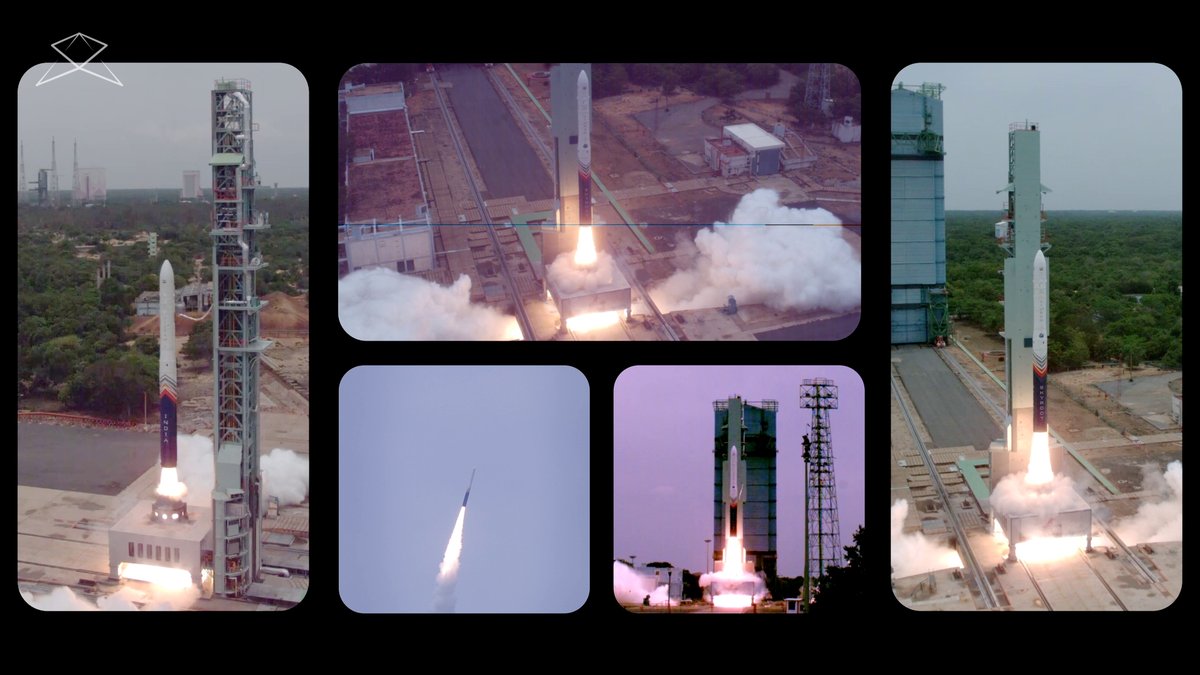
Every stage before the OAM was built for raw thrust. The Orbit Adjustment Module is built for control. This episode is about the liquid-powered stage that can start, stop, and restart in space. #JourneyToOrbit #Vikram1

67,086 görüntüleme • 4 ay önce •via X (Twitter)
9 Yorum

I just can’t believe you guys ..you developed rocket engine from scratch , control algorithms from scratch everything from scratch ..this is legacy stuff ..it’s just cant believable ..it’s not software to write edit overnight ..you need Tons of test data ..I am core engineer myse

Very inspiring !! For creation of engines metalurgy needs to b best.India's IITs metalurgy departments must com up with some start-ups for spray making metals.That is metals created not from liquid state but from spraying molecules of metals n binding them to make solid materials
Just can’t believe it ..you need materials , instrumentation , control system , electrical , structural , thermal , vibration , what not ..I just can’t believe it ..just can’t believe .i am very very curious to know what’s the reference point for you to start with ??

This is exactly the ZenG India needs right now. My country is in safe hands! 🙏🇮🇳

Genuinely interesting milestone. The OAM enables precise maneuvers that allow multiple satellites to be placed in different orbits from a single launch, using restartable engines and thrusters for fine adjustments. The commercial logic is the “space taxi” model — one Vikram-I ride, multiple orbital planes delivered. This is particularly valuable for missions deploying ten or more satellites, requiring systematic approaches to prevent collisions and ensure proper orbital spacing. The cold gas thruster choice Smart for this stage of development. Cold gas thrusters have no combustion, which eliminates heat management requirements, and their compact size suits volume-constrained missions, with exceptional reliability due to simple design. You trade Isp for zero failure modes — right call for a first-launch kick stage. Skyroot just became India’s first space-tech unicorn after raising $60 million from Sherpalo, GIC, and BlackRock in May 2026. That’s investor confidence baked in before a single orbital flight. The OAM test is ground-level — impressive engineering milestone, but the real proof is surviving the thermal and vibration environment of an actual upper stage separation. The gap between “1,000 pulses on a test stand” and “1,000 pulses at 300 km in vacuum after 4G launch loads” is where small launch companies earn their credibility. Worth watching who their satellite customers are as they move to flight. Congrats!🚀🛸

Keep building, and you will be a trillion-dollar company! Amazing stuff.

Just beautiful engineering!

🔥 goated

It will be amazing to know how the control system responds in action. Imagine being several thousand feet into space and still being able to make precise control actions based on multiple sensor inputs in milliseconds! Kudos to the team!!