Загрузка видео...

Не удалось загрузить видео

На главную

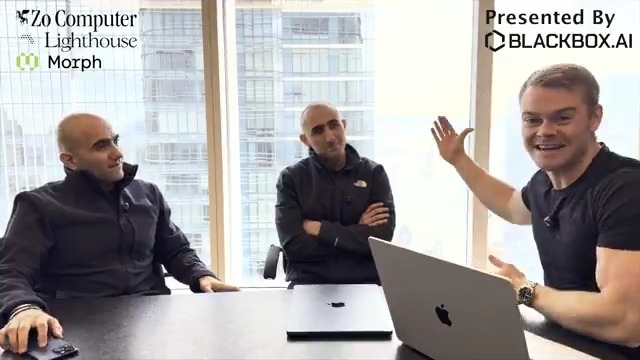
Every VC had a reason Vercel shouldn't exist. Guillermo Rauch heard a different reason from every investor he spoke to when building Vercel, and he kept going anyway. He joined us live at Mercury HQ in SF for Founders in Arms, and this was one of the sharpest moments...

67,103 просмотров • 4 месяцев назад •via X (Twitter)

Комментарии: 0

Нет доступных комментариев

Здесь появятся комментарии из оригинального поста

Похожие видео

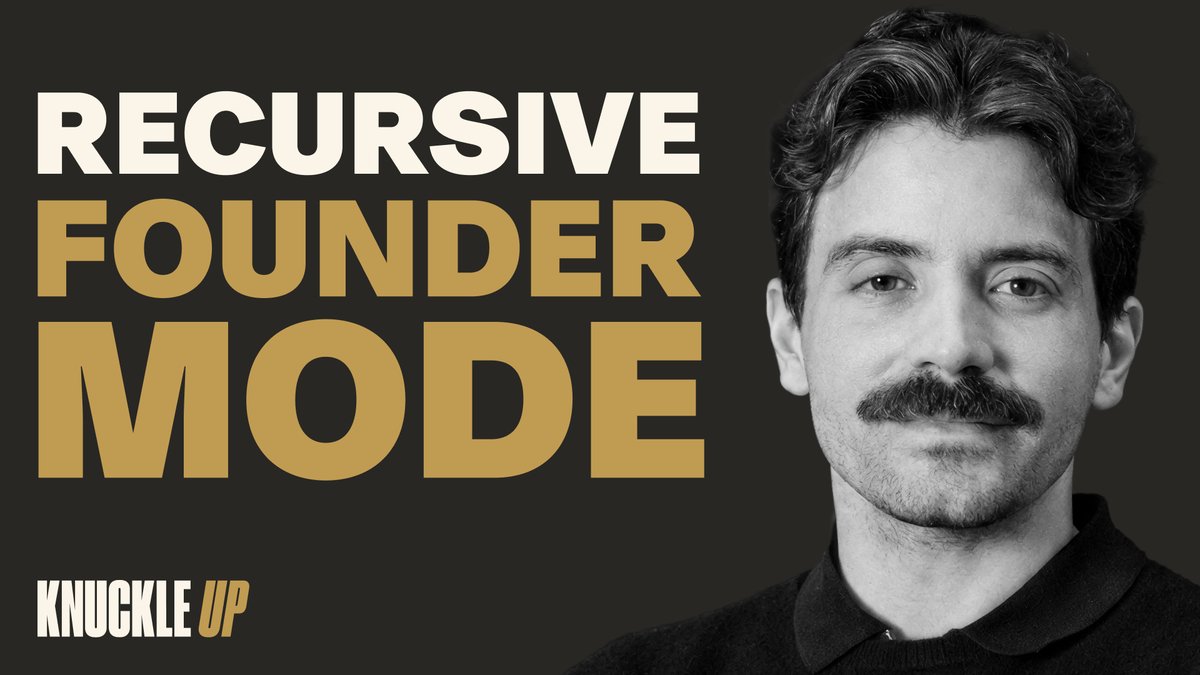
"10,000 hours? 996? That's rookie numbers. Like... what are we talking about?" Guillermo Rauch (Guillermo Rauch). Founder and CEO of Vercel. Only a founder as intense and energetic as Guillermo can call 996 "rookie numbers", and you still nod along. The man who's coming after every pixel and every token of the internet. Knuckle Up ↓ 00:00 Who is Guillermo Rauch? 02:01 What is Recursive Founder Mode? 07:28 Why did Vercel open source its playbook with skills dot sh? 10:14 What is a "work prompt" interview? 14:33 Why is Guillermo still involved in every hire at nearly 800 people? 18:17 What keeps founders at Vercel when seed money is everywhere? 23:41 Do urgency and taste pull against each other? 26:43 What is the new engineering meta skill? 32:21 How does a 17-year-old show they're exceptional today? 35:47 Why does Vercel route the whole company through one agent? 38:47 Which software survives the agent era? 42:11 How has AI changed Guillermo's job as CEO? 51:39 Does Vercel even need executives anymore? 54:40 If Guillermo started Vercel today, what would he build first? 57:45 What's the story behind v0? 1:03:48 Are there still moats when anyone can build fast? 1:11:24 How does a legendary coder learn the inner game of being a CEO? 1:19:21 Where does Guillermo's energy actually come from? 1:23:07 Quickfire: overrated advice, Chrome, voice AI, Demo Fridays 1:28:38 What does the journey to greatness actually require?

Nakul Mandan

810,887 просмотров • 1 месяц назад

In this special live event, Founders In Arms Podcast brings together a room full of founders at Mercury's San Francisco headquarters for an intimate conversation about building, investing, and the future of AI. Max Mullen is co-founder at Instacart, where he led product and grew it from a contrarian idea into the leader in online grocery delivery and eventually a publicly traded company. Now Max Mullen is an active investor and runs a founder community in San Francisco called Workshop. Max shares lessons from over a decade of building and his perspective on AI's transformative potential. In this episode, we cover: (00:00) Welcome to the first live Founders in Arms event at Mercury HQ (00:43) Introduction to Max Mullen and his early investment in Mercury (03:58) Max's origin story and first startup at Startup Weekend (04:36) Building a social network and getting acquihired (05:39) The path from acquihire to founding Instacart (06:19) Why Max wanted to solve real-world operational problems (07:17) Starting Instacart when there was no gig economy (09:15) Overcoming the "grocery delivery is dead" narrative (11:48) Market timing and why Webvan was too early (14:37) Being a non-technical co-founder in a technical role (17:45) The PARE framework for building company culture (22:09) Max's approach to M&A at Instacart (24:00) The Caper smart shopping cart acquisition story (25:31) How founders can position for acquisition (28:26) Why product-market fit attracts acquirers (29:46) Evaluating investments: market size vs. founder quality (32:54) Max and Immad's differing investment philosophies (35:39) The current state of VC funding and AI companies (36:51) The three best times to raise money as a founder (39:15) Instacart's seasonal business patterns and fundraising timing (39:59) The most interesting opportunities in AI right now (40:24) Why every profession will have AI agent co-pilots (41:44) What AI-native companies will look like for the next generation

Rajat Suri

144,197 просмотров • 7 месяцев назад