Video wird geladen...
Video konnte nicht geladen werden
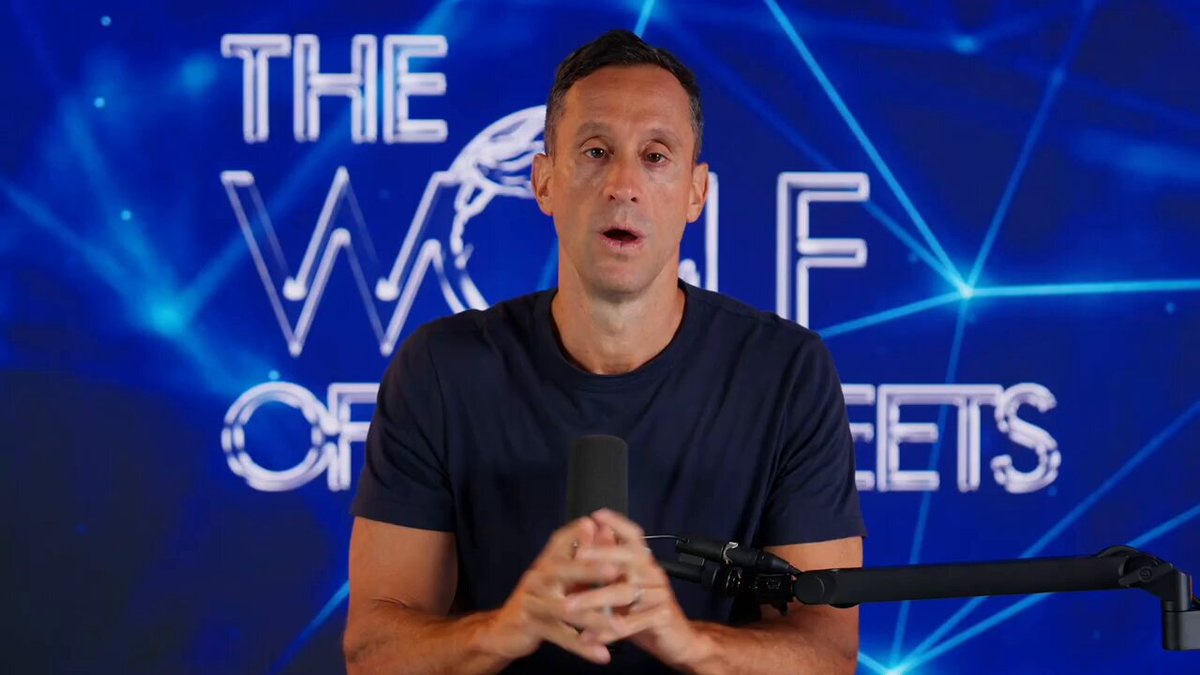
"Everyone may be positioned for the wrong economy" Mark Moss says growth has stopped being rate sensitive, and the gap between what the economy and the government can tolerate is the Bitcoin case "Everyone's still the generals fighting the last war. We're waiting for 2008 to happen again. We're... show more

33,995 Aufrufe • vor 6 Tagen •via X (Twitter)
9 Kommentare

FT @1MarkMoss This clip is brought to you by @hodlwithLedn

government cant tolerate its own rates is the most honest sentence in that clip

if the economy can actually tolerate 5% rates while the government can’t then that’s a very different Bitcoin argument than the usual inflation story

Moss prolly right here!

I can't tell whether I want to laugh or happy-cry. I could write a whole diary entry about the feeling.

The government debt angle is probably the strongest part of this thesis. If the economy can handle higher rates but the government can’t, Bitcoin’s fixed supply starts looking like a pretty interesting hedge against that mismatch.

yeah the market keeps pricing the last crisis while the real shift is happening now

Private capex can shrug at 50bp. The Treasury cannot

the govt cant tolerate higher rates part is the whole thesis tbh
![BREAKING NEWS: Bill Ackman has just revealed that he believes the Fed will cut interest rates as early as Q1 of 2024 Here are some other quotes from this short clip w/ David Rubenstein On the Broader Economy "I do think the economy is weakening... and we're seeing that with our companies" On When the Fed Will Cut Rates "I think [the Fed] is going to cut rates sooner than people expect... what's happening is the real rate of interest keeps increasing as inflation declines... and that is having a [negative] effect on the economy." On Commercial Real Estate "Most companies fixed their debt at low interest rates, and certainly real estate investors did the same. And that works until it doesn't work. And so what's going to be interesting is when people have to re-price their debt. And I think that can have a cliff like effect. And I think you're certainly seeing that in real estate."](https://image.24vids.com/tw-1729651816760275217/ext_tw_video_thumb/1729649329730957312/pu/img/lxSWMPQB8OPL4Pt4.jpg)