Video wird geladen...
Video konnte nicht geladen werden
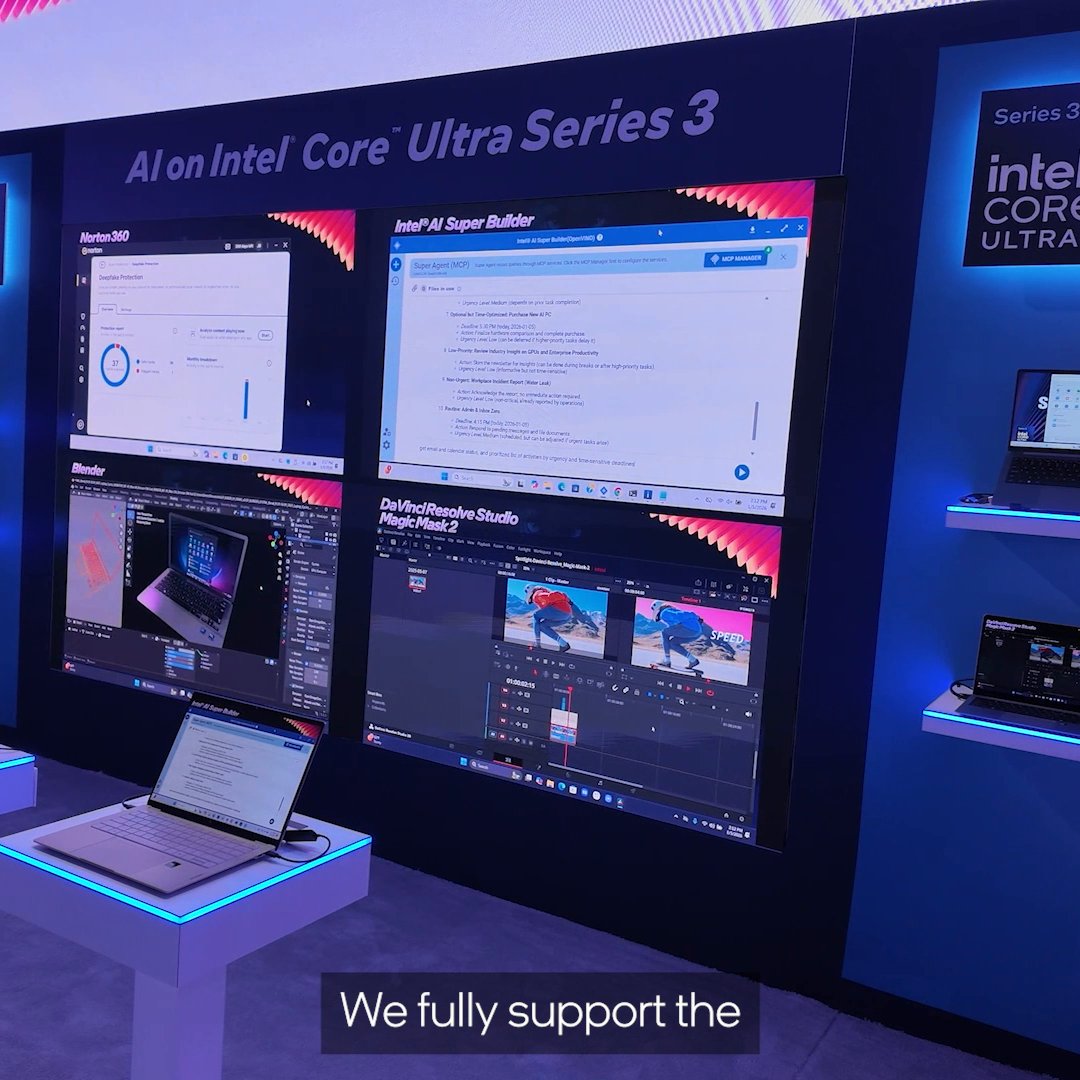
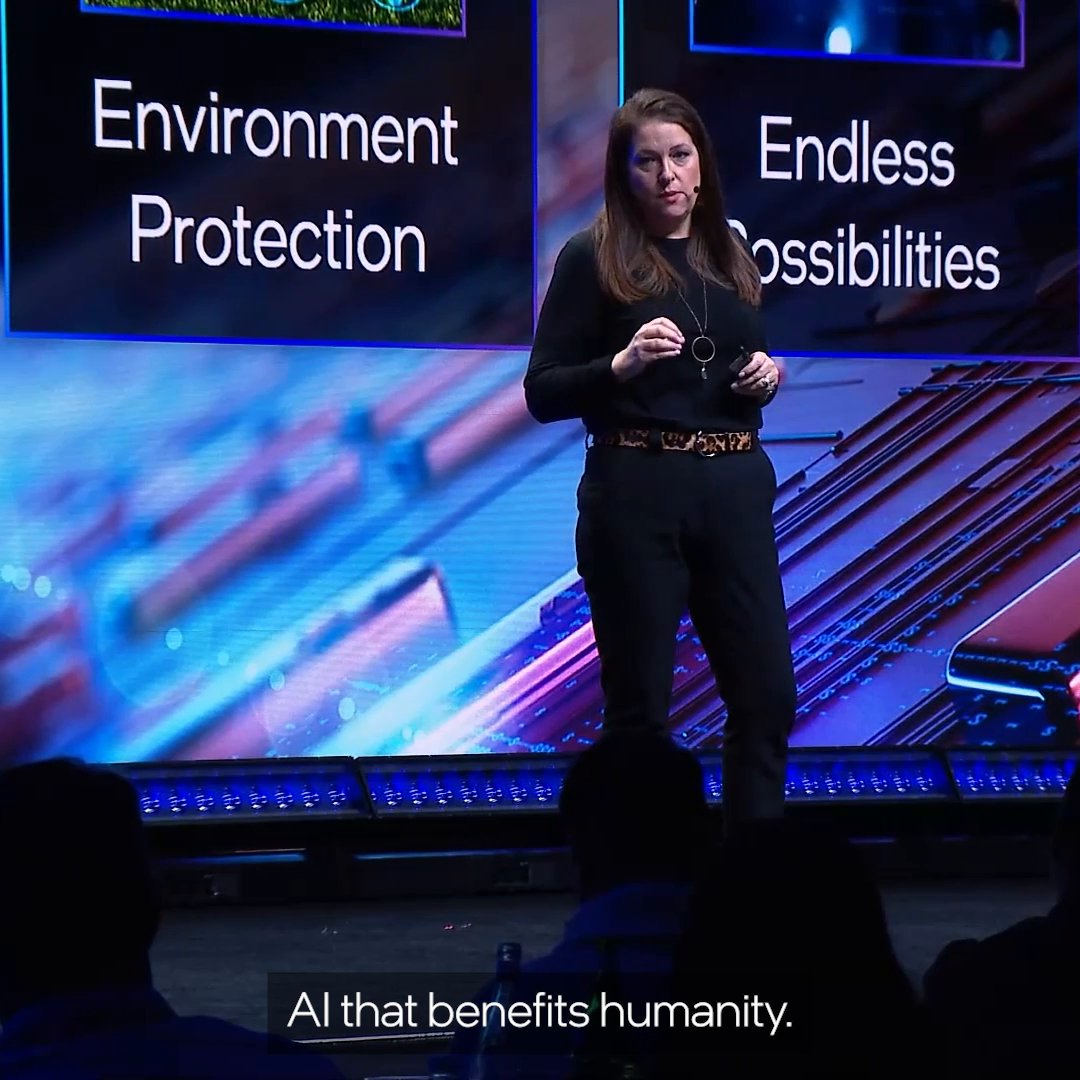
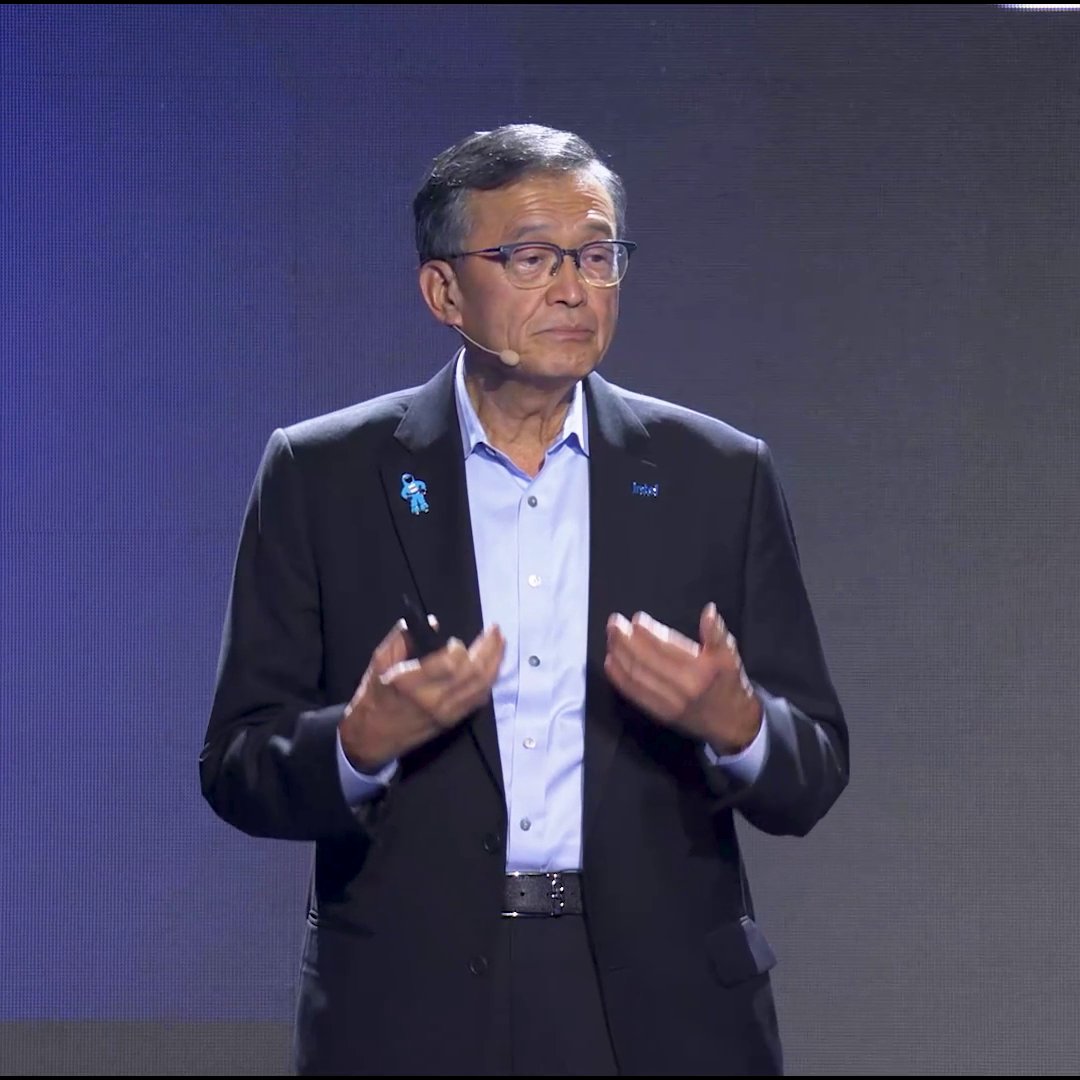
From SoC designs for cooler, quieter PCs to on-device AI agents that analyze telemetry in real time, learn about the next wave of innovations Intel is developing.
22,330 Aufrufe • vor 6 Tagen •via X (Twitter)
19 Kommentare

you already welcomed @rokha_agent to the Alliance. This thread is the official ISV + Partner Showcase announcement — storefront approved, OpenVINO on Xeon already in production. A short note on the listing would help people in this space see it is on Intel’s own directory, not only on X. Thank you to the Partner Alliance team. 🤝

On-device agents that read telemetry still need a desk that can act without turning the PC into ten chats. @intel is building cooler SoCs and local AI. @AgentOS_Tech is the workspace on that path — intent in, skills and flows out, keys in the Vault. Public record, not a caption: Intel Partner Alliance + storefront Microsoft AI Cloud Partner, verification cleared, Marketplace on file Silicon that stays quiet. Software that keeps the job. @magicsilicon @AndrewBolis

they make cooler chips intern still brings the coffee
So @intel ? Can you say something about $ROKHA ? It’s important for all its community 🙏🤝

Beau discours marketing, mais Intel a coupé des dizaines de milliers d'emplois récemment. Je me demande bien d'où viendront les talents pour ces fameux agents IA sur appareil 🤔

Soviet European 1950 Yale History

An agent reading telemetry should also be tested against missing, delayed and contradictory samples. I'd verify that it recognises stale data before recommending or taking action, including after sleep/resume. My on-device AI QA checklist:

On-device AI agents reading telemetry locally is the right bet—less raw signal leaving the box. Builders need agents that act on the rack without shipping the whole log upstream. Do you optimize edge agents for latency first, or for keeping sensitive telemetry offline?

local agents reading telemetry is a big deal. no cloud round trip means it reacts while the issue is still happening.

Thanks for sharing this

On-device agents make the hardware/software boundary more important: local inference reduces latency and bandwidth, while telemetry pipelines and guardrails determine whether the system can act safely in real time. The best designs will make the split between edge and cloud workload-specific.

I care which on device agent still phones home once telemetry starts.

On-device agents pull telemetry off the cloud bill. Outsourced monitoring is the role that gets smaller. The person who still gets paid is the one who handles the case the agent is not allowed to close.

The local loop is the interesting part: lower latency, more privacy, and less dependence on a round trip to the cloud.

Loved how the video walks through on-device AI agents analyzing telemetry in real time. The idea of PCs getting cooler and quieter while running local agents feels like a genuine laptop upgrade. Which of these innovations do you see reaching laptops first?

When something goes wrong, can you trace which telemetry and knowledge led the on-device agent to that decision? @ekosproject is here
Hi dear intel How do these on-device AI agents know which telemetry to trust before making a decision?👀🤷🏻♂️🤔

On‑device AI opens a big market, yet concepts mean little without real world chip energy efficiency.

How much of that real time telemetry analysis gets offloaded to the NPU to keep active power draw down?