Video yükleniyor...

Video Yüklenemedi

Ana Sayfaya Dön

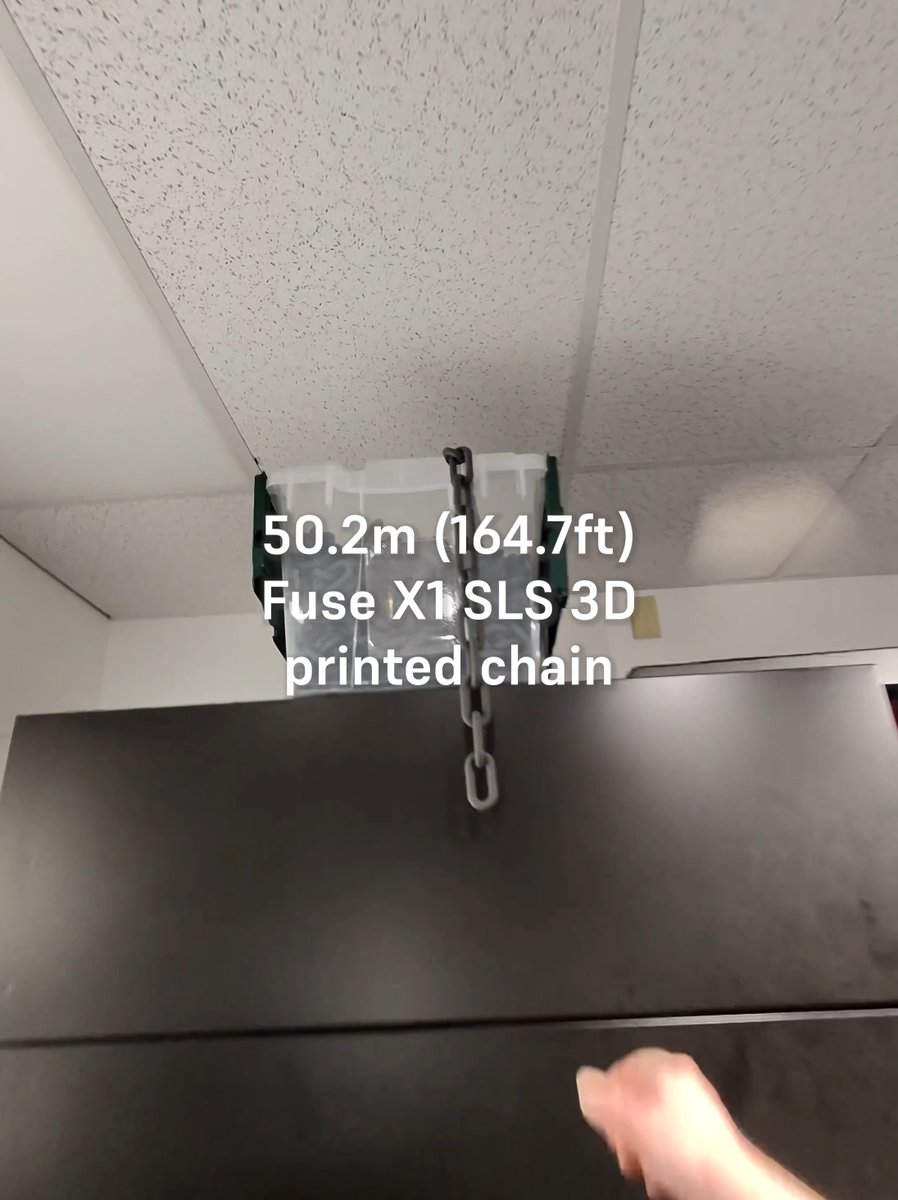
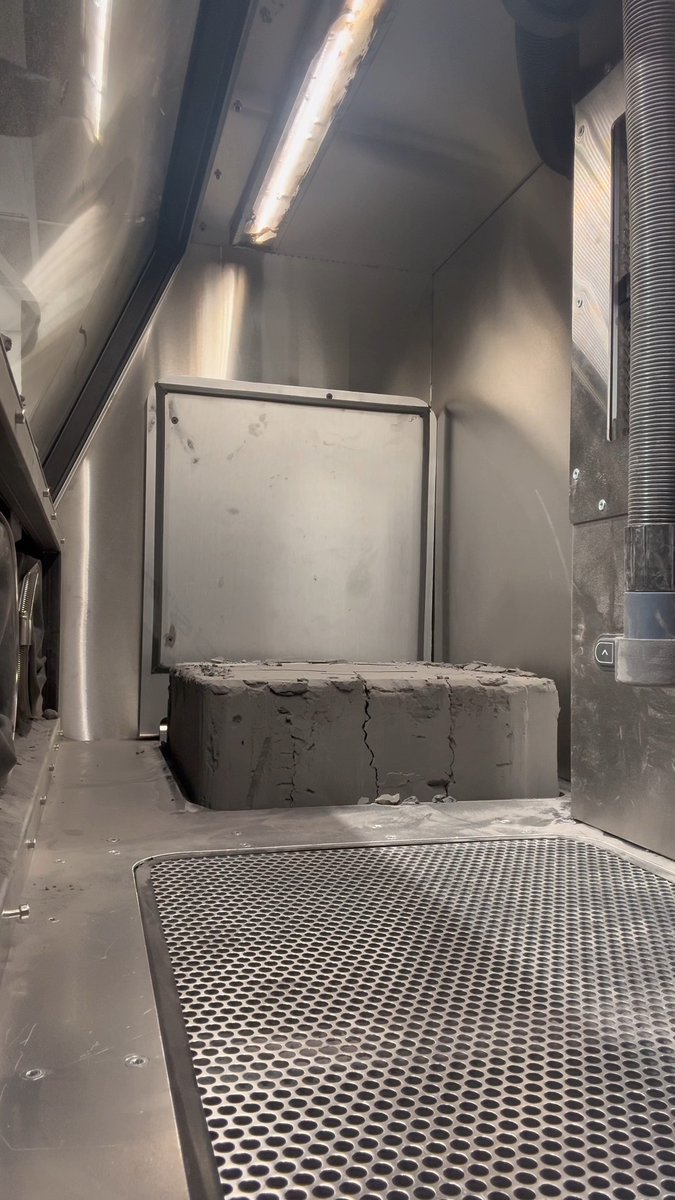
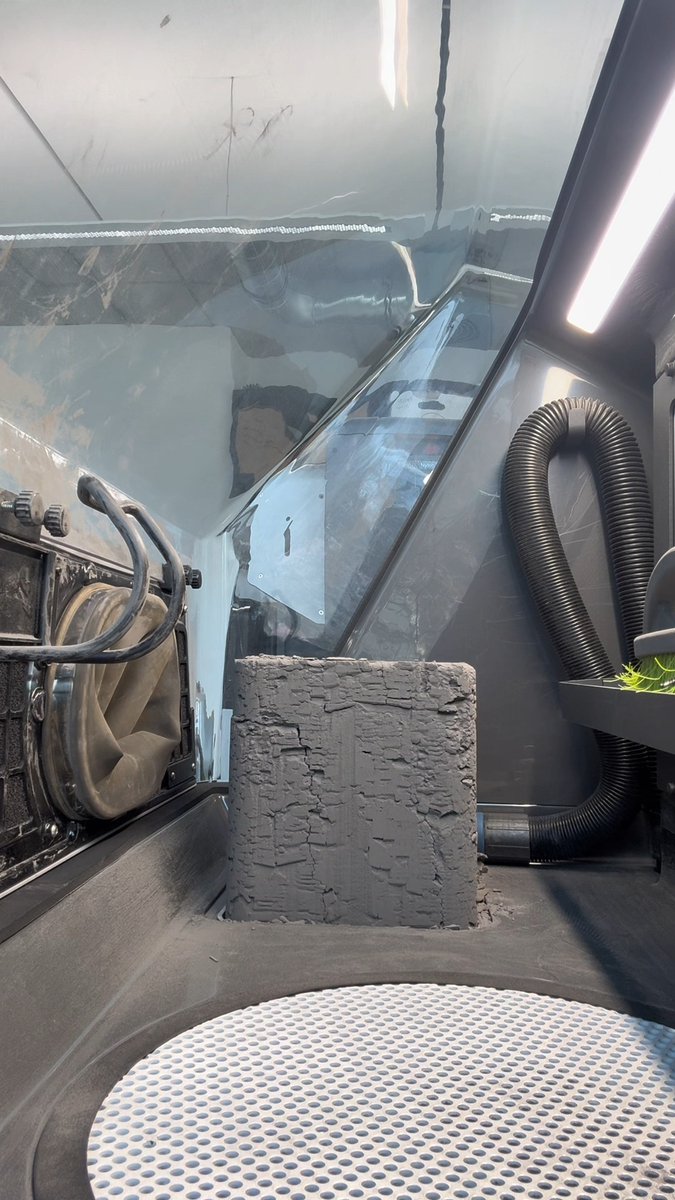
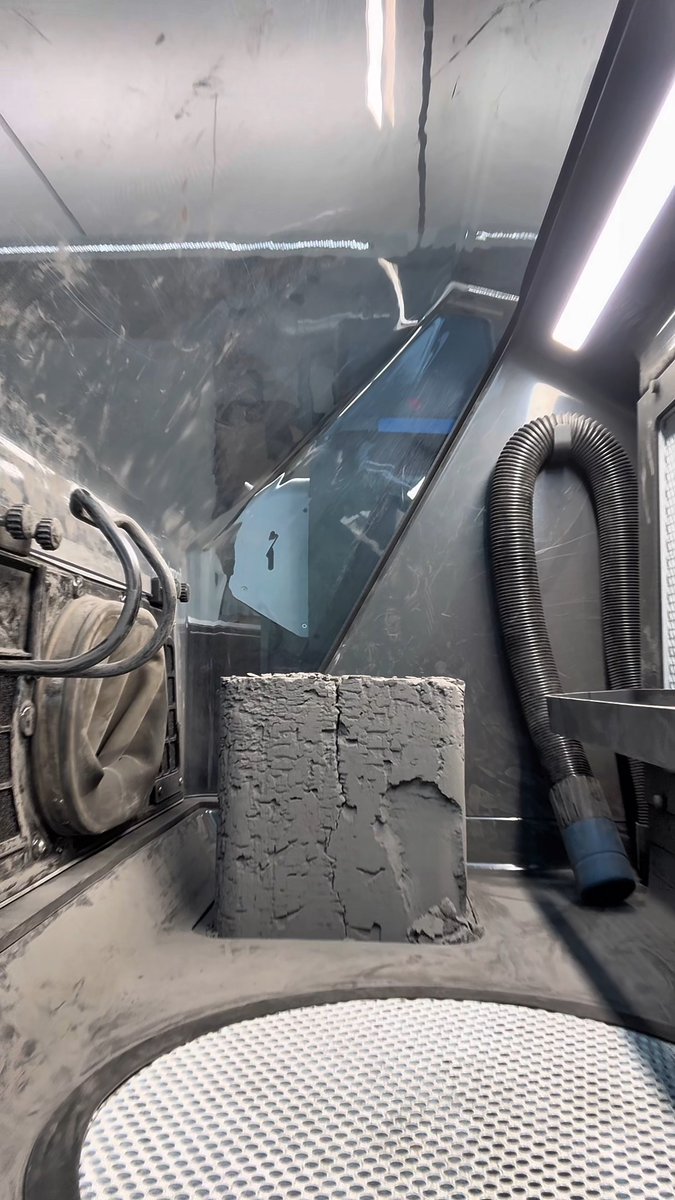
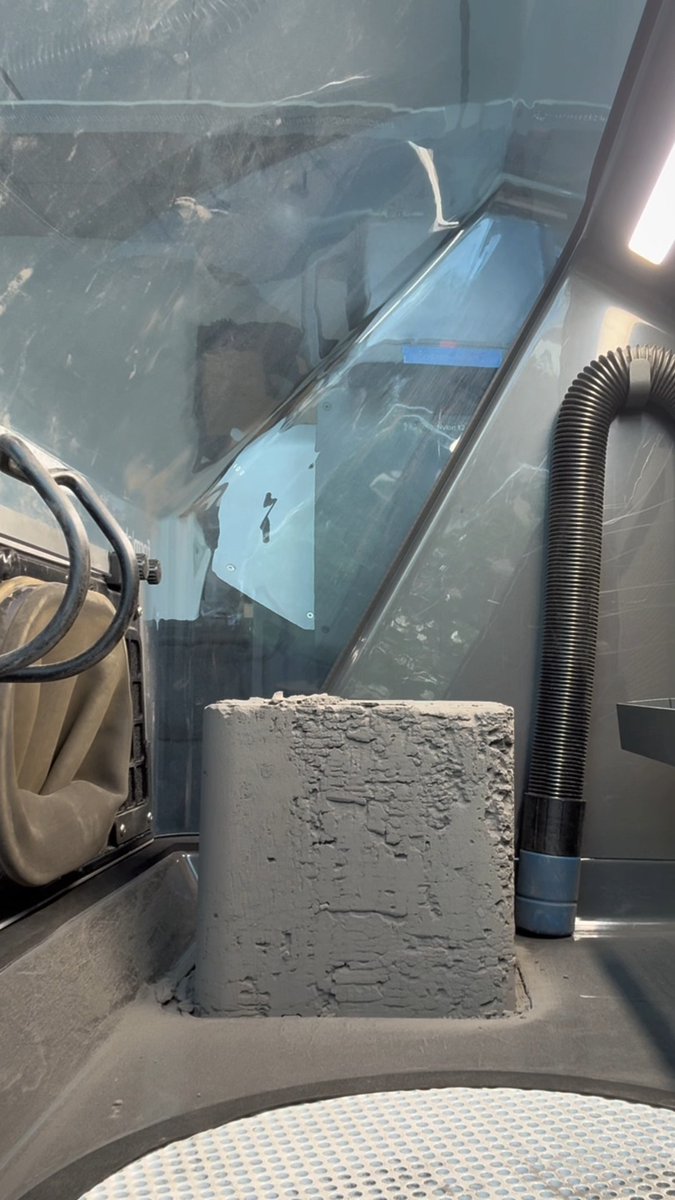
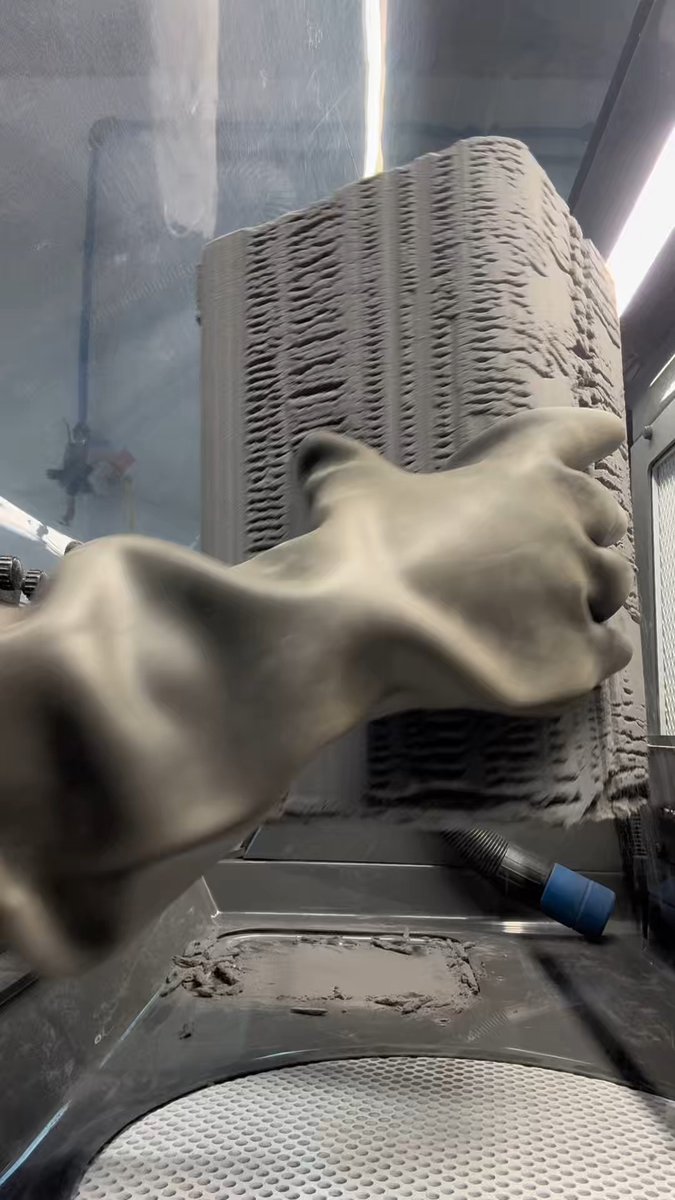
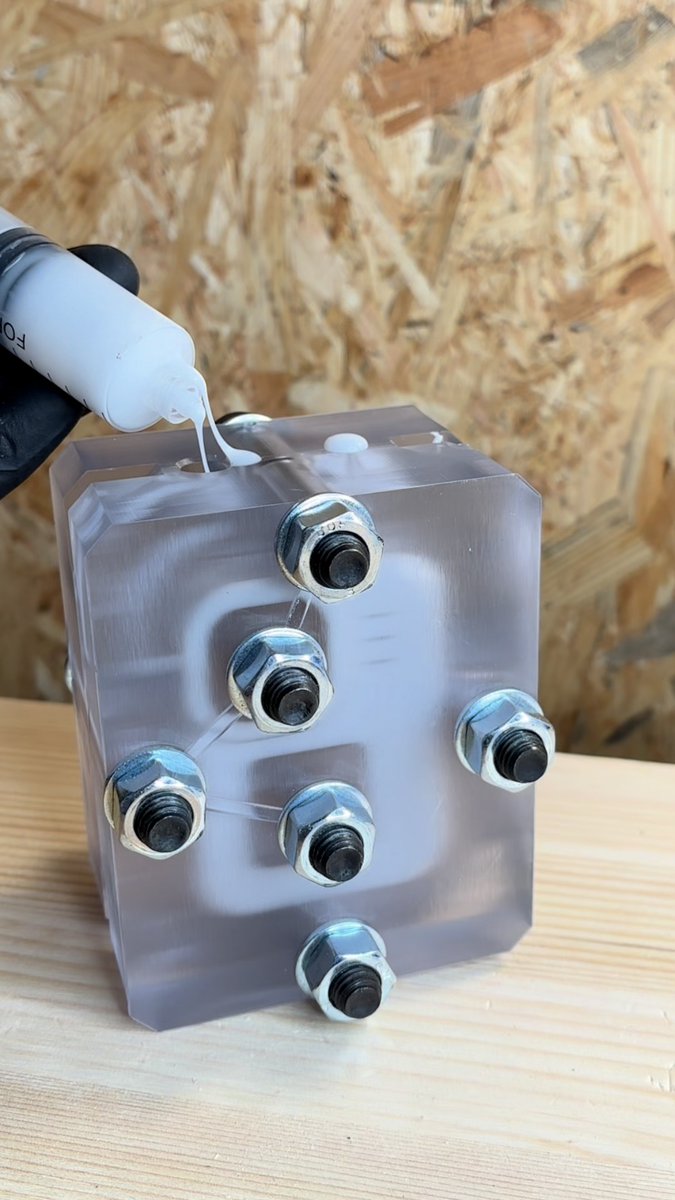
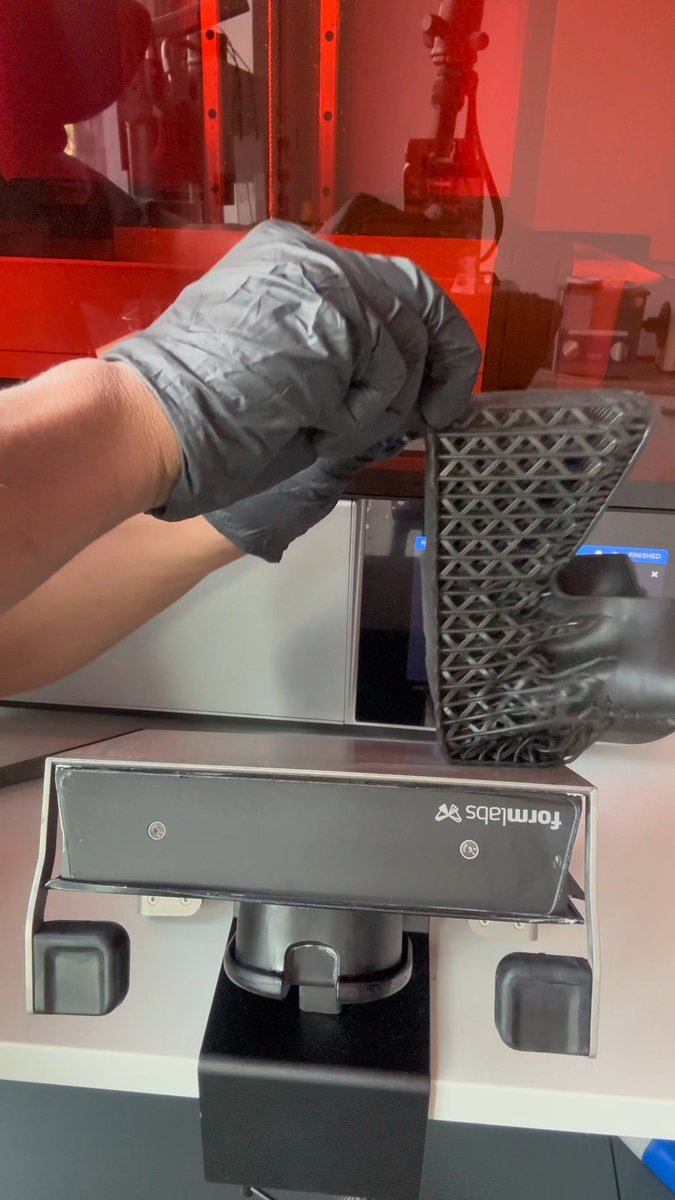
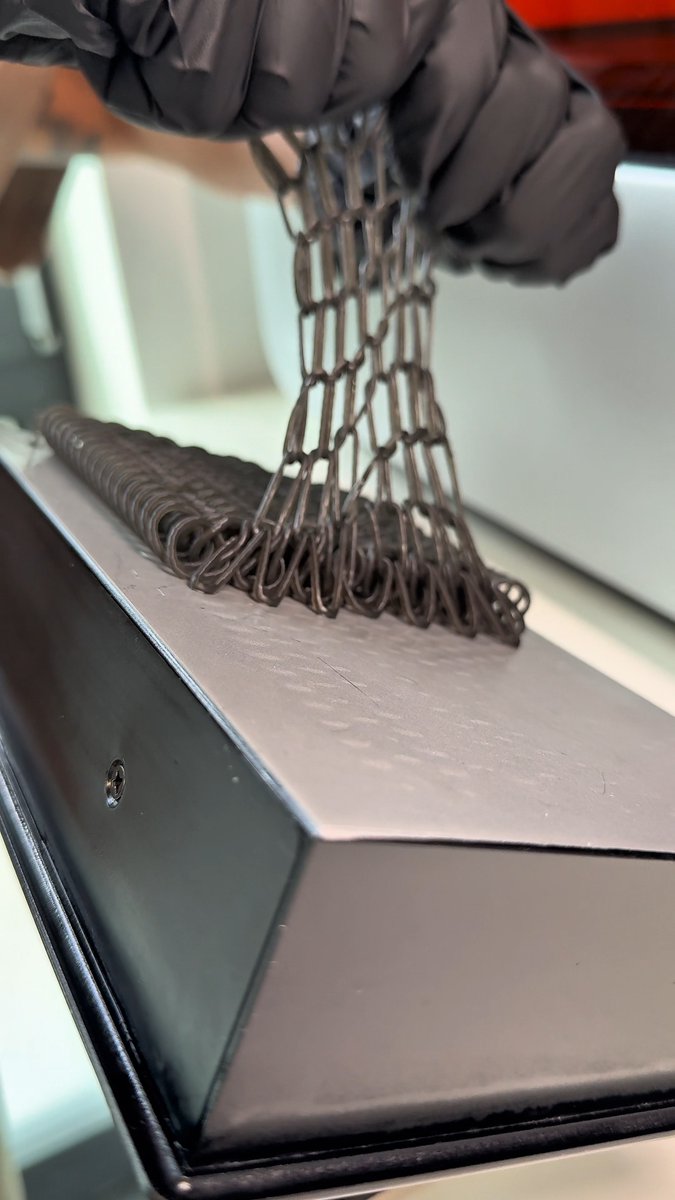
Fuse X1, Formlabs' newest industrial SLS (selective laser sintering) 3D printer. This large format SLS printer delivers huge parts same day, at half the cost and 3x the throughput of the competition. Plus, it’s backed by the quality and reliability of Formlabs. Watch the Fuse X1 product keynote Learn...

96,573 görüntüleme • 2 ay önce •via X (Twitter)

0 Yorum

Yorum bulunmuyor

Orijinal gönderinin yorumları burada görünecek

Benzer Videolar

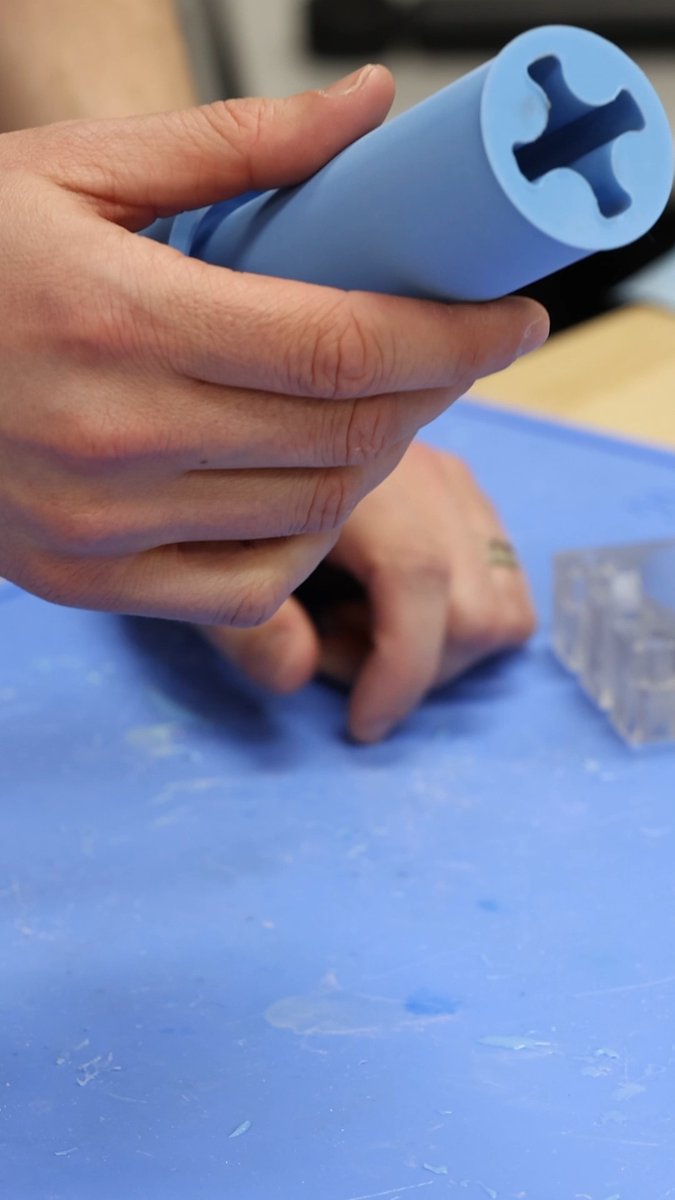
Shane Wighton, from the YouTube channel Stuff Made Here, used 3D-printed tooling to form a sheet metal component as part of a concept validation process. Metal manufacturing is essential for all areas of the economy. Because of their strength, stiffness, and long-term durability, metal components are used in applications from appliances to construction parts and car body panels. Traditional metal manufacturing techniques include forming, casting, molding, joining, and machining. Sheet metal forming involves various processes where force is applied to a piece of sheet metal to plastically deform the material into the desired shape, modifying its geometry rather than removing any material. Sheet metals can be bent or stretched into a variety of complex shapes, permitting the creation of complex structures with great strength and a minimum amount of material. Sheet metal forming is the most cost-effective forming procedure today for manufacturing parts in large quantities. It can be highly automated in factories or, at the other end of the spectrum, manually operated in metal workshops for small series parts. It is a versatile, consistent, and high-quality procedure to create accurate metal parts with limited material waste. From metal cans to protective housing for hardware, parts created by sheet metal forming are found everywhere in our daily lives. In this article, learn the basics of sheet metals, the various sheet metal forming processes, and how to reduce the cost of sheet metal forming with rapid tooling and 3D printed dies. For a detailed overview and the step-by-step method, watch our webinar or download our white paper: Research conducted by Shane Wighton. Check out the fantastic 15-minute video on his YouTube channel 'Stuff Made Here'! its top-notch engineering content.:

Formlabs

39,948 görüntüleme • 1 yıl önce

This guy spent several days teaching a tabletop robot arm to roll a burrito and when one could not do it he did not rewrite the controller he printed 2 more and launched a 3-arm setup for about $1,000. He does not rewrite the software, does not wait for a smarter model, does not update the imitation weights, he just prints another arm and connects it to the existing leader-follower through LeRobot, nonstop. And it got more interesting: the hardware of one arm is a DIY kit SO-101 for about $300 to $400 on STS3215 bus servos, coordination between the arms goes through leader-follower teleoperation in Hugging Face LeRobot, and replication goes through a Bambu Lab A1 for $399 that prints a copy in a day. It knows the position of the tortilla by the leader-arm coordinates at the start, knows the handoff moment between the arms by the fold phase, and knows the final rolling from the sequence of demonstrations from teleop sessions. And it even distributes the work between the arms, one does the initial folds, the second holds the tortilla still, the third performs the final rolling, depending on which phase the burrito is currently in. In one 57-second demonstration 3 arms rolled a burrito for the first time without human involvement, and the total stack cost less than $1,000 in hardware versus a UR5 at $25,000 or an industrial burrito machine Solbern BR-1500 that costs about $50,000. The viewer is not watching 3 robots rolling a burrito. The viewer is watching permission to believe in a future where a kitchen task on $1,000 of hardware is done by the same loop as an industrial one at $50,000. Here is what happens when the bottleneck stops being the intelligence of the controller and the quality of the imitation model, and becomes the number of arms in the setup, and for a maker with a 3D printer the number of arms is limited only by print time. 3 arms do not get tired between sessions, do not require retraining when a new one is added, do not degrade from repetition, and every next burrito goes through the same teleop pipeline at the same quality as the first. Imagine that multi-arm DIY setups are no longer built for one kitchen task, but printed for each one, burritos, sushi, tacos, pizza dough, pour-over coffee. We just watched hobby robotics shift from "retrain the controller" to "print 2 more": when one robot can not handle it, you do not make it smarter, you print 2 more. The viewer thinks they are watching a DIY experiment. They are watching a multi-agent robotics stack that in one 57-second demonstration rolled a burrito for the first time without human hands, and whose filling partially falls out on the final rolling. What will improve the final rolling, a softer silicone gripper, a 4th follower arm in the setup, or a different filling composition and a more moist tortilla?

Blaze

61,030 görüntüleme • 3 ay önce

Chamath Palihapitiya just dropped the number that explains the entire AI infrastructure trade (Save this). A gigawatt of compute now costs $100 billion and when he started his Arizona data center project it was $4 to $5 billion, it has gone up 20x in a single investment cycle. The implication is not just that AI infrastructure is expensive but rather that the capital barrier to owning meaningful compute has become so high that only a handful of entities in the world can actually build it and the companies who got there early are sitting on what may be the most durable pricing power in the history of the technology industry. This is the neocloud trade. The neocloud market, purpose-built GPU cloud providers like CoreWeave, Nebius, and Lambda Labs was worth $35 billion in 2026 and is projected to reach $236 billion by 2031, compounding at 46% annually. For context, that is faster growth than cloud computing itself posted in its first decade. The reason is very simple, hyperscalers like AWS, Azure, and Google are building for everything, storage, databases, enterprise software, networking and their GPU pricing reflects the overhead of that full-stack infrastructure. Neoclouds build for one thing only, AI compute. The result is a 60% to 85% cost advantage on the same Nvidia silicon, bare metal H100s at $0.78 to $2.79 per GPU-hour on a neocloud versus $3.43 to $5.07 per GPU-hour on a hyperscaler. That spread does not close as AI demand scales but rather it widens, because hyperscalers have to amortize legacy infrastructure and margin expectations that neoclouds do not carry. Gartner projects that by 2030, neoclouds will capture 20% of the $267 billion AI cloud market, and Vultr's own analysis says at least 80% of GPU market share by end of 2026 will be held by a small group of scaled neocloud providers. Now zoom into Nebius specifically, because it is the most interesting publicly traded proxy for this trade. Nebius is the infrastructure arm of the former Yandex Russia's equivalent of Google rebuilt from the ground up after Russia's invasion of Ukraine by Arkady Volozh and relisted on Nasdaq in October 2024. The team that built it already knew how to run internet-scale infrastructure at the lowest possible cost, which is exactly the operational DNA a neocloud requires. In Q1 2026, Nebius reported revenue of $399 million and already generating serious cash on a young business with revenue growing nearly eightfold year-over-year. Then in March 2026, Meta signed a five-year infrastructure agreement with Nebius worth up to $27 billion, $12 billion in committed dedicated GPU capacity deployments beginning early 2027, plus up to $15 billion more tied to Meta purchasing Nebius's unsold third-party capacity. The deal will be executed on one of the first large-scale deployments of Nvidia's Vera Rubin platform, the next-generation architecture after Blackwell making Nebius one of a tiny number of operators in the world with confirmed priority access to the most advanced AI hardware available. Following the contract, Nebius guided to $7 to $9 billion in annualized recurring revenue for 2026 representing 540% year-over-year growth. Chamath Palihapitiya point about the $100 billion capital moat is the bear case for new entrants and the bull case for incumbents. No one can afford to build the next CoreWeave or Nebius from scratch at current hardware and power costs. The companies that are already built, already contracted, and already deploying Nvidia's latest silicon have a moat that compounds with every GPU generation cycle because they get allocations first, they deploy fastest, and their customers re-sign rather than wait for a new operator that does not yet exist. Come join Milk Road Pro for our full breakdown, the complete neocloud competitive landscape, how to think about Nebius's valuation versus CoreWeave and AI entire thesis. Link below.

Milk Road AI

139,047 görüntüleme • 2 ay önce

If you want to meaningfully impact aging in America, start with obesity—few things erode longevity and quality of life as profoundly, accelerating the biological aging process and fueling nearly every major chronic disease. Obesity alone is linked to 13 types of cancer and cuts life expectancy by 3–10 years, depending on severity. It promotes DNA damage and accelerates our fundamental aging process—often measured by epigenetic age. It’s one of the principal differences between the U.S. and many of the world’s longest-lived nations. We’re overfed but undernourished. 60% of all calories Americans consume come from ultra-processed foods that: • Fail to induce proper satiety, pushing us to overeat. • Remain cheaper than whole foods, economically incentivizing the least healthy choices. • Hijack our dopamine reward pathways, reinforcing addictive eating behaviors. This trifecta—no satiety, low cost, and built-in addictiveness—keeps us in a cycle of poor health outcomes and runaway healthcare costs. But caloric excess is only part of the problem—we are also nutrient-deficient. Low omega-3 levels—affecting 80 to 90% of Americans—carry the same mortality risk as smoking. Vitamin D deficiency—easily corrected—compromises immune function, cognition, and longevity. Nearly half of Americans don't get enough magnesium—impairing DNA repair and increasing the risk of cancer. We are not solving these problems—we are medicating them. The average American over 65 takes five or more prescription drugs daily—stacking interactions that compound in unpredictable ways. We must start treating physical inactivity as a disease. It carries the same mortality risk as smoking, heart disease, and diabetes. Going from a low cardiorespiratory fitness to a low normal adds 2.1 years to life expectancy. By age 50, many Americans have already lost 10% of their peak muscle mass. By 70, many have lost up to 40%. This isn’t just about looking strong. It’s about survival. • Higher muscle mass means improved insulin sensitivity - it means a 30% lower mortality risk. • Grip strength is a stronger predictor of cardiovascular mortality - the number one cause of death in the United States - than high blood pressure. • The strongest middle-aged adults have a 42% lower dementia risk. And yet, we treat resistance training as optional. It is not. It is the most powerful intervention we have against aging including increasing muscle mass, strength and bone density. Hip fractures alone kill 20–60% of older adults within a year. This is a death sentence we can prevent with resistance training - which has been shown to lower fracture risk by 30-40%. The current RDA for protein is too low for older adults. Studies have shown when it's increased by half this reduces frailty by 32%, while doubling it, combined with resistance training, increases muscle mass by 27% and strength by 10% more than training alone. If we want to prevent muscle loss and frailty, we must update our protein recommendations and prioritize strength training. We must foster a culture of American exceptionalism built on daily, effortful exercise. Not as an afterthought. Not as a luxury. But as a non-negotiable foundation for aging, but also clear thinking, resilience, and even leadership. The body and brain are not separate. The consequences of poorly regulated blood sugar, sedentary living, and muscle loss are not just physical—they affect cognition, judgment, and resilience. We cannot medicate our way out of what we have behaved our way into. Grateful for the chance to share my voice at the Senate Aging Committee (Senate Aging Committee). A special thank you to Senator Rick Scott (Rick Scott) for making this opportunity possible.

Dr. Rhonda Patrick

407,428 görüntüleme • 1 yıl önce

Chamath just delivered the clearest diagnosis of what is happening to enterprise software and the OpenAI Deployment Company is the most damning piece of evidence he could have picked. "The low end of the market is basically finished. There is no safe space." 90% of public SaaS stocks are down 30-80% from their 52 week highs, the median software stock is now negative over the last 3-6 months. Goldman Sachs reported that software forward P/E multiples fell from 35x to 20x, the lowest absolute level since 2014 and the smallest premium to the S&P 500 since 2010. The low end died first and fastest, because AI replaced it most directly. The small business tools, the lightweight project managers, the single function SaaS products that charged $49 a month per seat, those are being replaced by AI agents that do the same work as a workflow, not a product. You do not buy an AI powered tool, you describe what you need and it builds it and the seat based model that created the SaaS industry simply does not apply to that transaction. But Chamath's more interesting argument is about the high end and the tell he points to is perfect. OpenAI just raised $4 billion from 19 investors including TPG, Brookfield, Bain, and McKinsey to launch a consulting company and guaranteed those investors a 17.5% annual return to do it. On $4 billion in committed capital, that is roughly $700 million per year in guaranteed payouts, owed by a company that is projected to lose $14 billion in 2026. The goal of this venture is to compete directly with Deloitte, PwC, Ernst & Young, Andersen, and Cognizant. Think about what that structure reveals. OpenAI lost half of its enterprise LLM API market share from 50% to 25% between late 2023 and mid-2025, with Anthropic now leading at 32%. Its response was not to build a better model but rather to raise $4 billion, offer guaranteed PE-tier returns and hire embedded engineers to physically sit inside client organizations and make AI actually work in production. The reason, as Chamath identified, is that the high end of the market is not easy. "It's not like boop boop boop, put in a prompt and beep bap boop, it all works," he said and the data confirms exactly that. 88% of organizations running AI agents reported a security incident in the past year, 42% of C-suite executives say AI adoption is creating internal organizational conflict. The average enterprise AI consulting implementation costs $228,000 in year one versus $77,000 for platform-based approaches and most still stall before reaching production. Anthropic immediately matched OpenAI with a competing $1.5 billion consulting venture backed by Blackstone, Goldman Sachs, and Hellman & Friedman bringing the combined spend by the two leading AI labs on human powered enterprise deployment to $5.5 billion in a single month Chamath's read is that the high end, the large enterprise platforms like Salesforce with proprietary data flywheels, Palantir with its FDE model already proven at scale, Oracle with vertical specific data moats will survive and consolidate. The mid-market point solutions, the single function tools, the lightweight enterprise apps without defensible data assets, those are on the conveyor belt. The AI industry is not just disrupting the companies that use software but rather disrupting the companies that sell it.

Milk Road AI

1,659,214 görüntüleme • 3 ay önce