正在加载视频...

视频加载失败

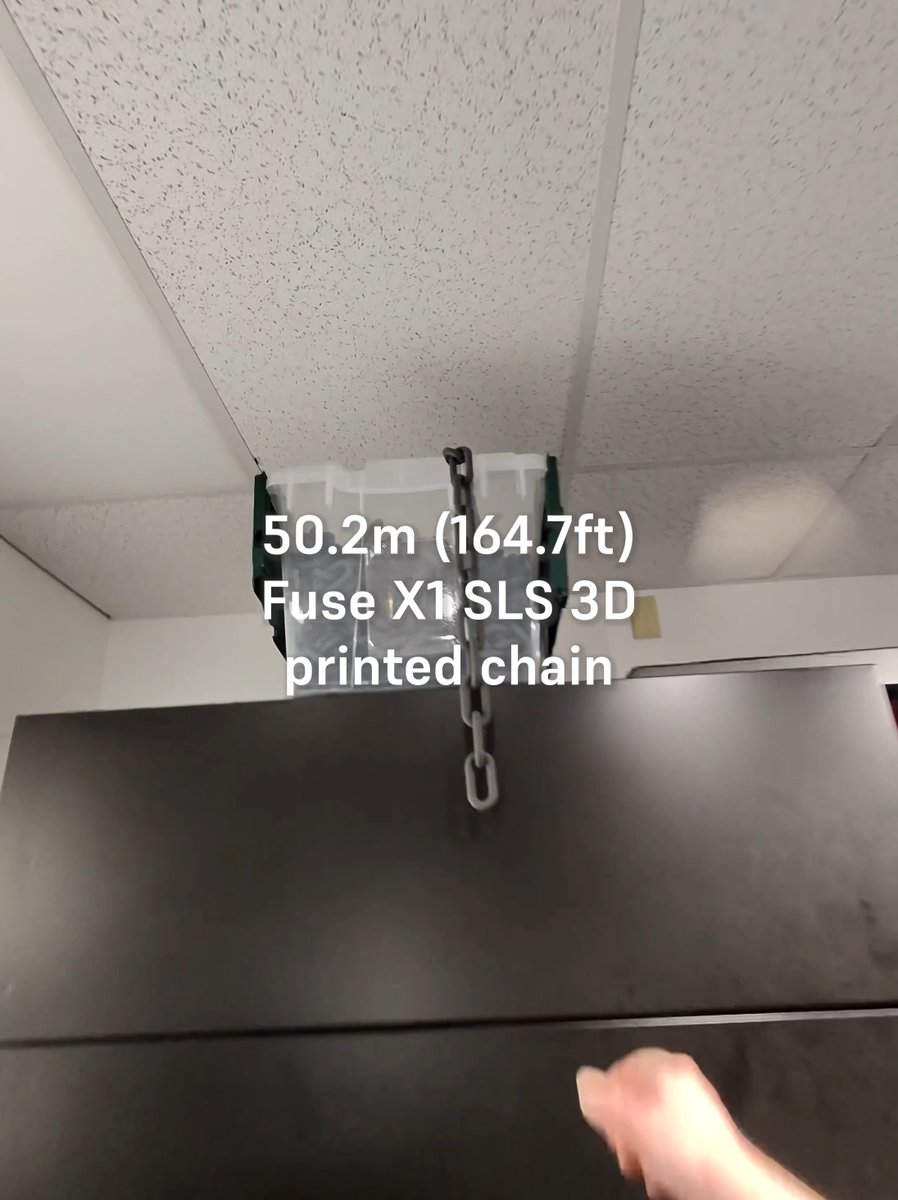
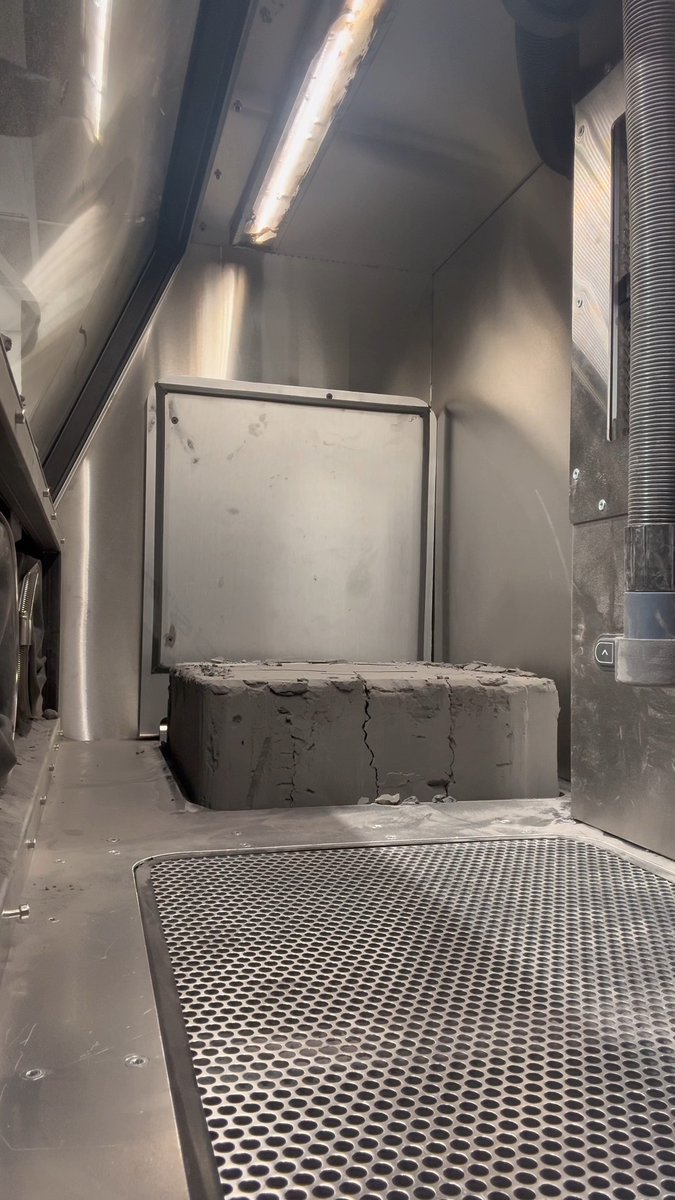
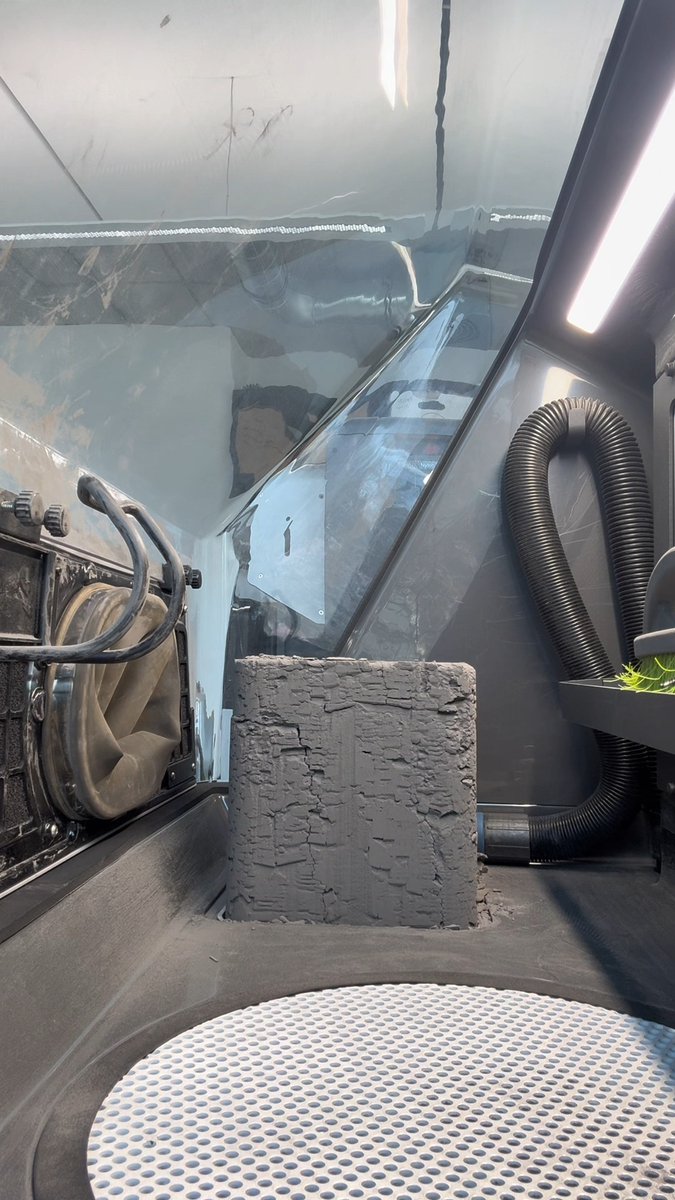
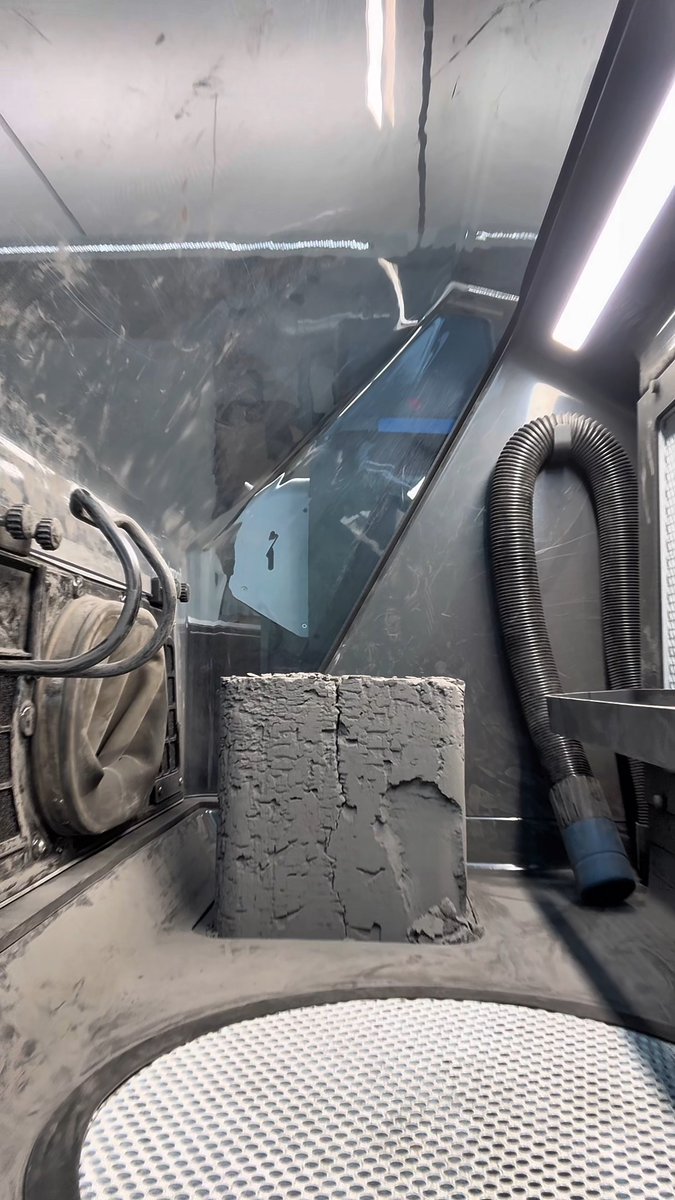
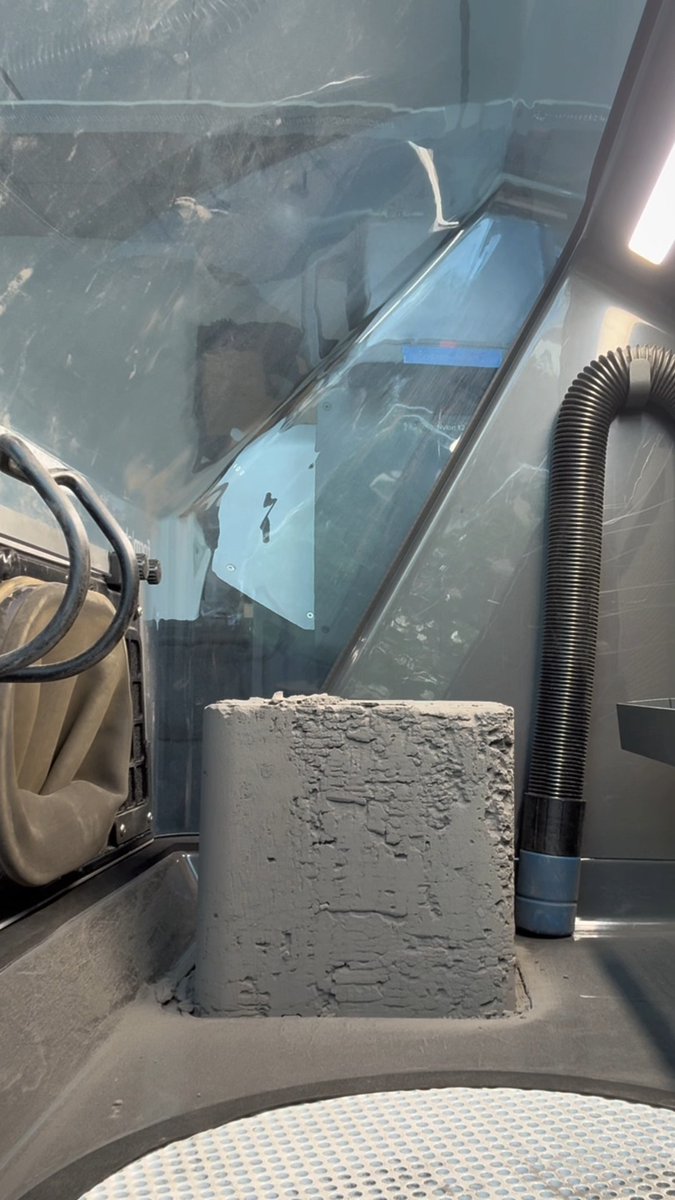
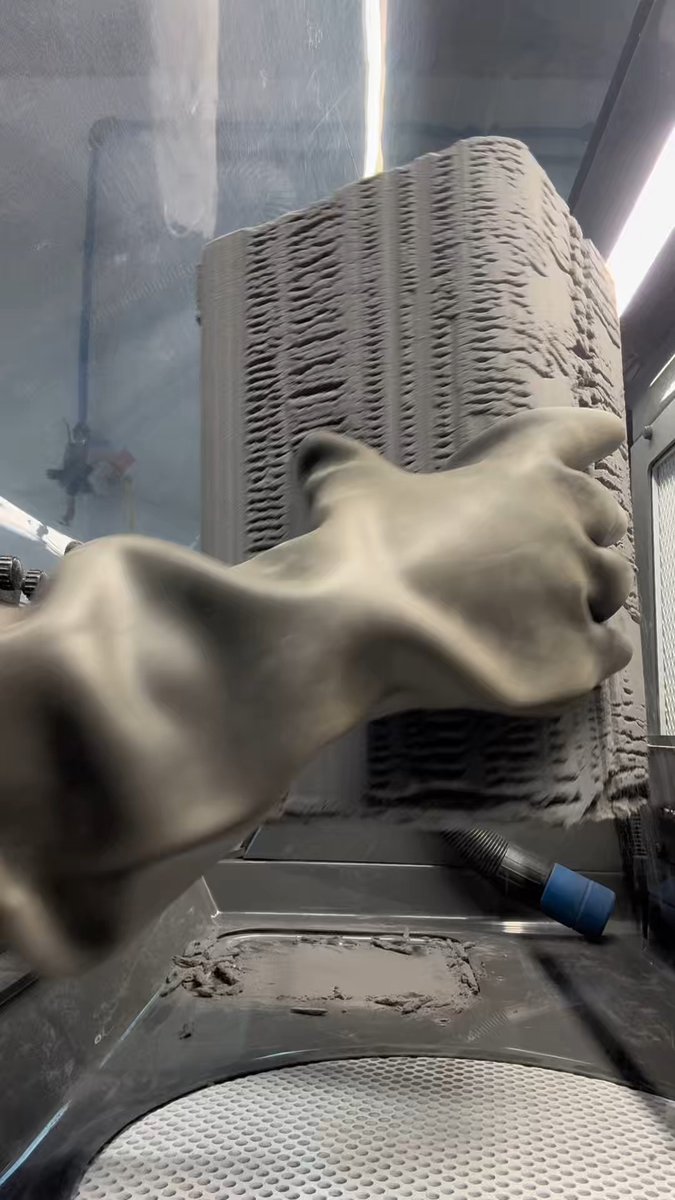
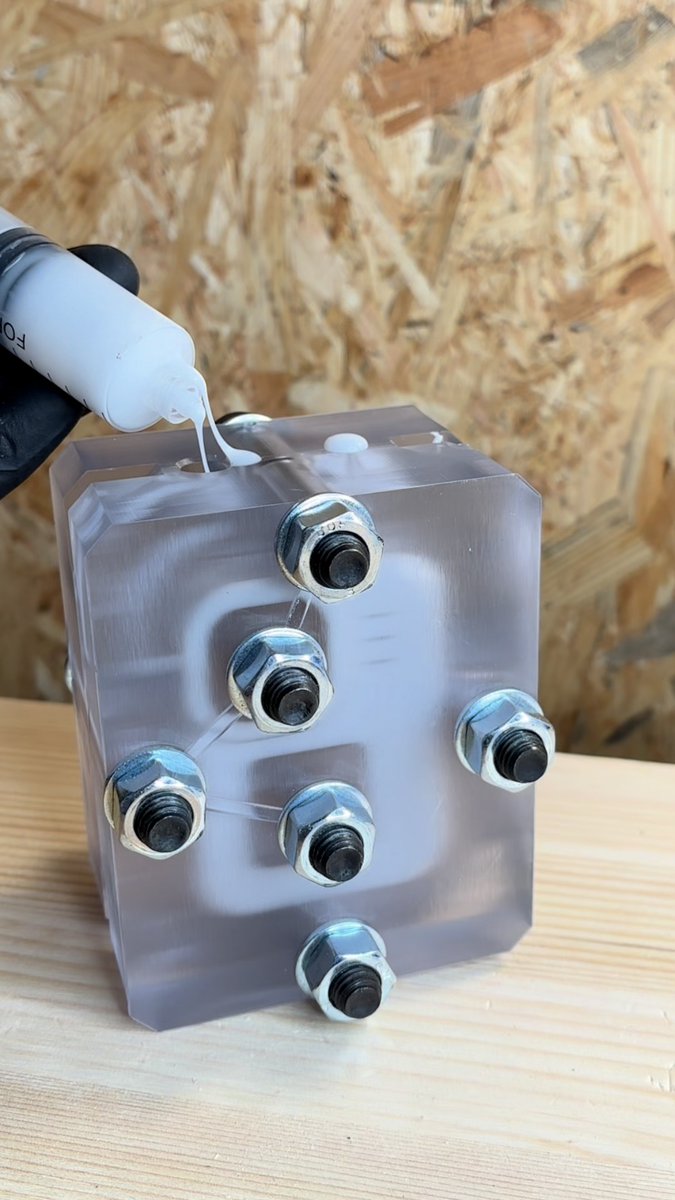
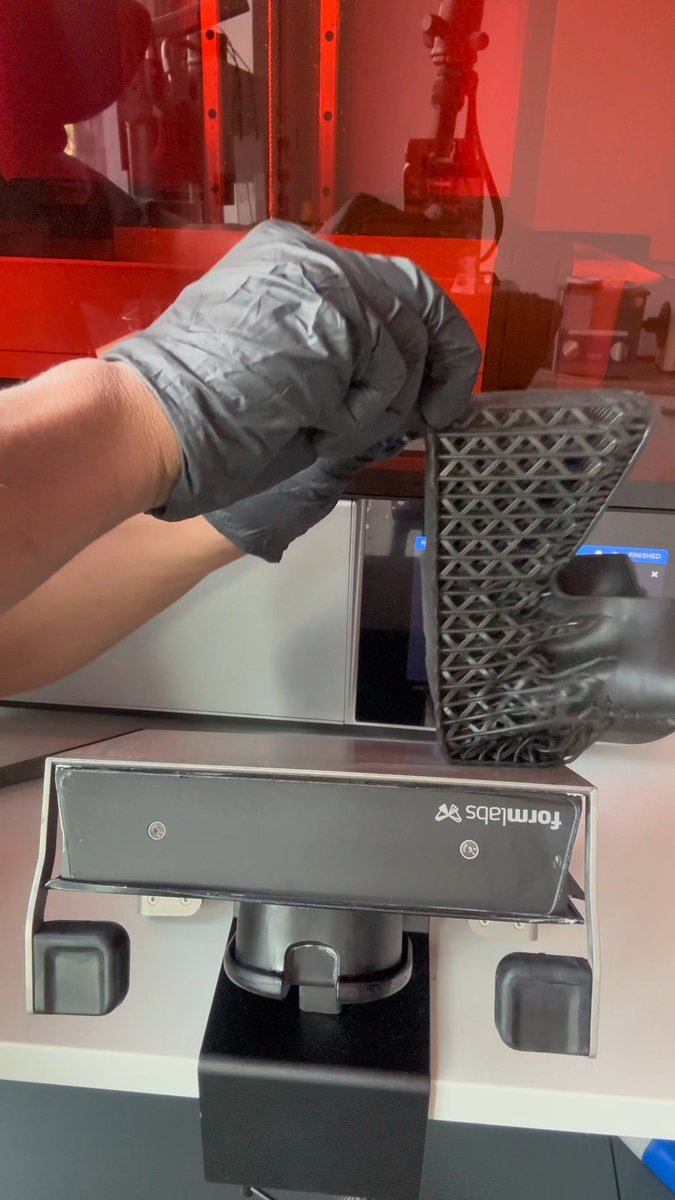
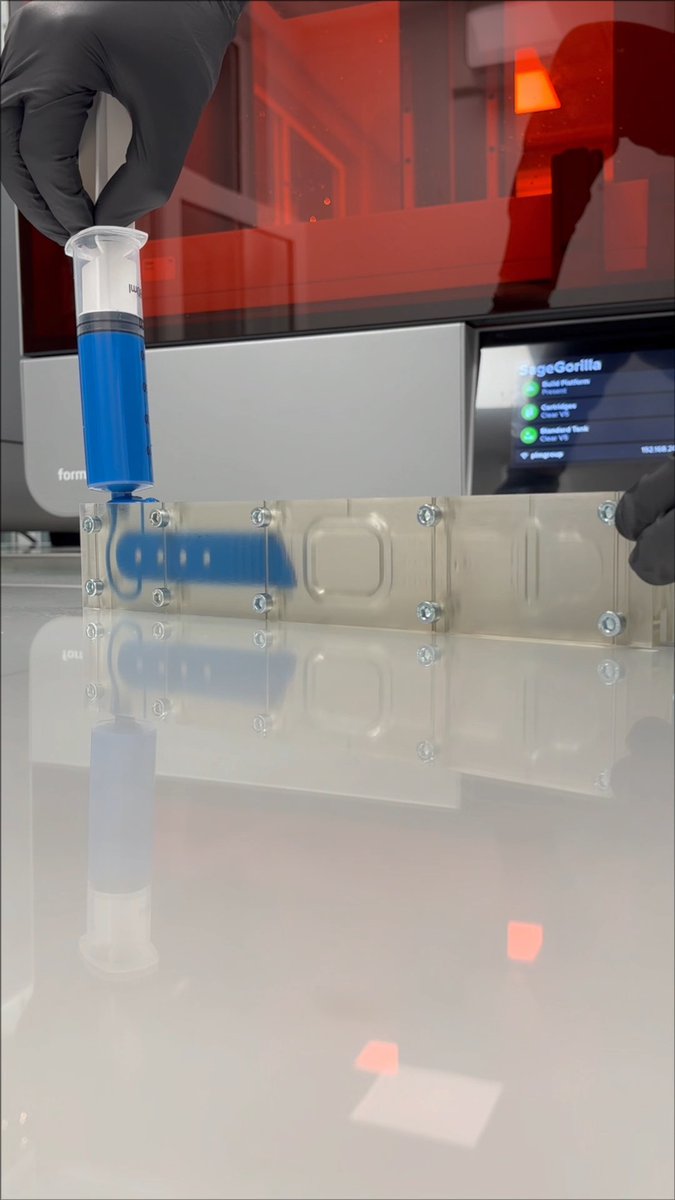
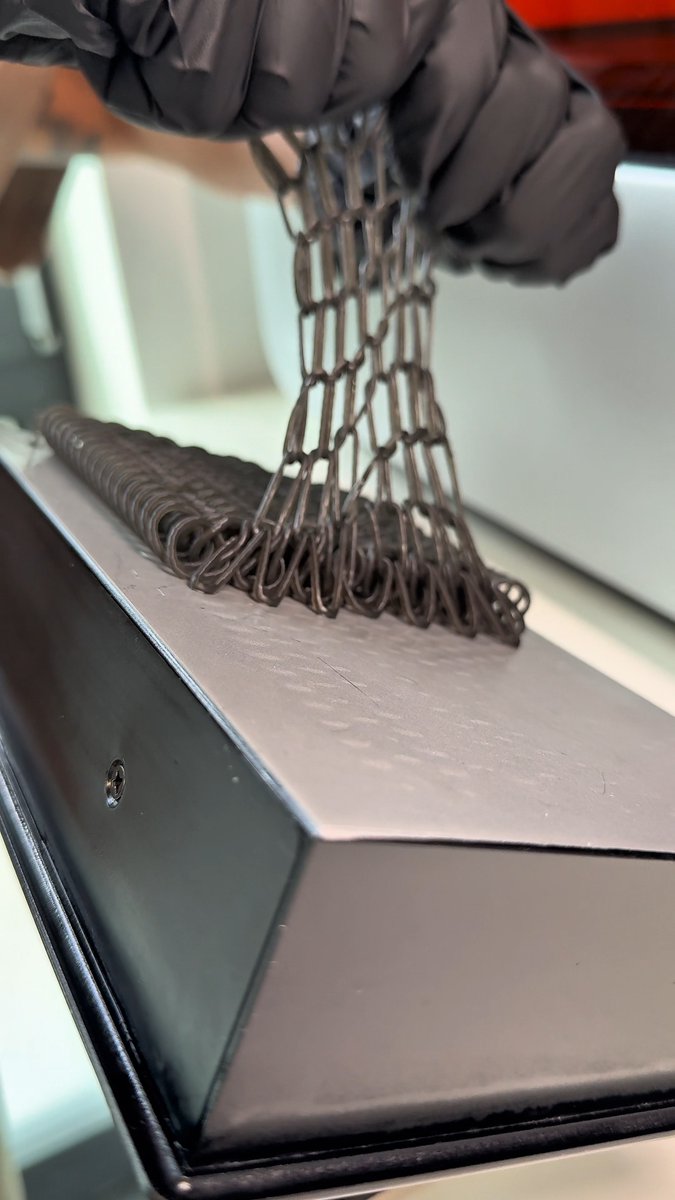
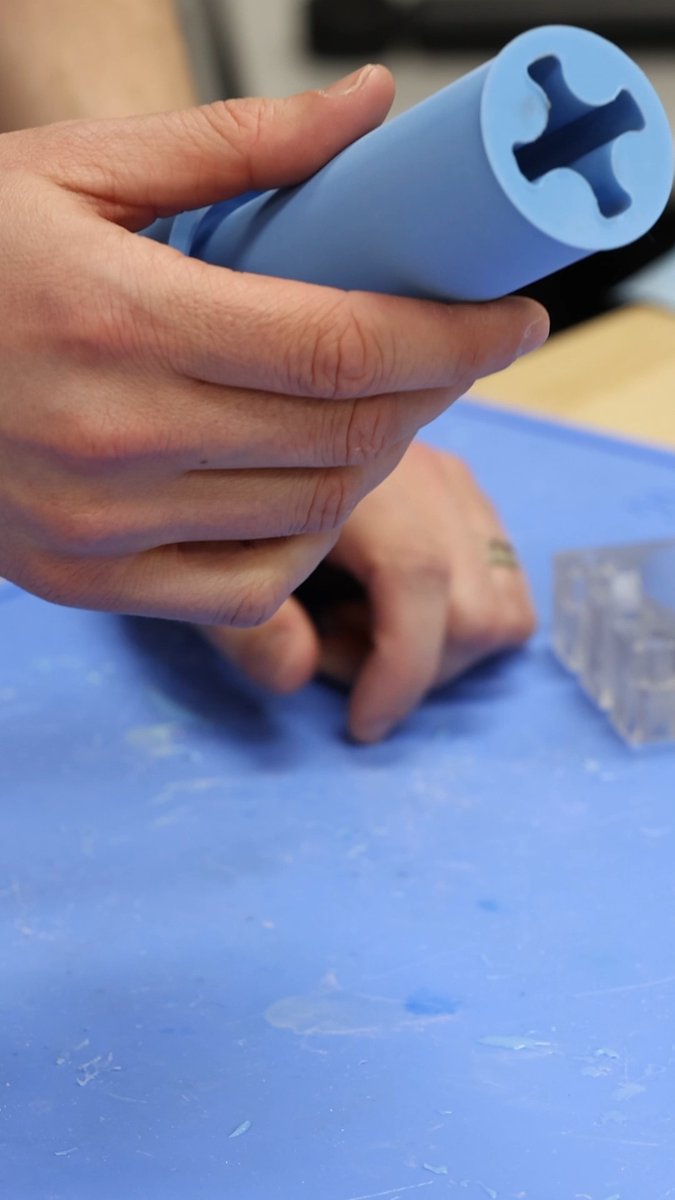
Fuse X1, Formlabs' newest industrial SLS (selective laser sintering) 3D printer. This large format SLS printer delivers huge parts same day, at half the cost and 3x the throughput of the competition. Plus, it’s backed by the quality and reliability of Formlabs. Watch the Fuse X1 product keynote Learn...

103,631 次观看 • 3 个月前 •via X (Twitter)

37 条评论

Phoenix𝕏 的头像
Phoenix𝕏3 个月前

its even more cool in person you guys killed this 🔥🔥🔥🔥🔥🔥

Cameron Bierwith 的头像
Cameron Bierwith3 个月前

I’m accepting donations in the form of this machine if anyone is interested

Suren Atoyan 的头像
Suren Atoyan3 个月前

this looks so amazing what’s the approx MSRP?

Formlabs 的头像
Formlabs3 个月前

Starting at $85,000. Find out more here:

John Galt 的头像
John Galt1 个月前

Breaks in 2 years, u repairable, you have to buy a new one at 10% discount. Formlabs is a scam. Never buy their products.

Connor Kapoor 的头像
Connor Kapoor3 个月前

Looks awesome!

Bernard Gress 的头像
Bernard Gress3 个月前

Yes, but is it #MadeInAmerica? (And how many #ForeignNationals, #DualCitizens, and #ChineseCitizens do you have working for you?)

Zeyd 的头像
Zeyd3 个月前

Does it have an internal Nitrogen Generator ?

Formlabs 的头像
Formlabs3 个月前

It uses an external nitrogen generator!

Zeyd 的头像
Zeyd3 个月前

Awesome, thank you for the response! Hopefully the Fuse 2 will get an integrated system!

Brennan M. Woodruff 的头像
Brennan M. Woodruff3 个月前

How do we get one to @mHUBChicago for members to build with?!

Nick 的头像
Nick3 个月前

$85k is insane

Stephen Brown 的头像
Stephen Brown3 个月前

@UncleJessy4Real How about a desktop version with a desktop price like the Micronics you gobbled up and shelved?

Matt Tucker 的头像
Matt Tucker3 个月前

🤤

TruthOrTruth 的头像
TruthOrTruth3 个月前

Is it an open material system? And what are the materials it can handle?

Justin Fraenkel 的头像
Justin Fraenkel3 个月前

This sounds impressive! However, it would be great to see some real, world applications or case studies that showcase its impact. How has it transformed production for users?

Formlabs 的头像
Formlabs3 个月前

@RadioFlyer, @Tesla, and Autotiv Manufacturing have already been using the Fuse X1! Click here to read more about their experience

Nick CleanCode 的头像
Nick CleanCode3 个月前

Whoa, the Fuse X1 looks serious. That build volume is no joke. AI-powered automation though... just means fewer hands needed on the floor.

Emmmmu 的头像
Emmmmu1 个月前

a printer if it breaks u cant fix?

zodus world 的头像
zodus world3 个月前

Bullshit company investigate Ohio's op lead

Andrew Hughes 的头像
Andrew Hughes3 个月前

E-bike 👀👀

Formlabs 的头像
Formlabs3 个月前

Yup! @RadioFlyer prototyped their loop cargo e-bike with Fuse X1

Reya Khanna 的头像
Reya Khanna2 个月前

half the cost is wild

Demolition Man 的头像
Demolition Man3 个月前

I just got the drop of your Youtube video about a minute ago. I just wanted to say to all of you at Formlabs, That was awesome. It is so fun to watch a company do what you are doing and doing it for a price that makes it possible for some people to attain. I use 3D printing to help fix small problems for customers I have because I am known for doing custom builds, Re-finishes, Re-storing the most insane things in the world and I am known for seeing the problem and saying yes I can fix it or taking a customers Idea and saying yes I can do that. I do this by knowing woodworking, welding, machining and my God giving talent of painting. I use CNC plasma, CNC router, CNC Laser, 3D resin and FDM printing along with fusion 360 to make ideas come to life. I believe what you are doing with this printer is Mind Blowing and at that cost, I still am in awe. That being said I wanted to take the time after watching that video to just say "Awesome work you have done here" and wish you and everyone at Formlabs the best.

Anika Patel 的头像
Anika Patel3 个月前

huge parts same day

Ylan Richard 的头像
Ylan Richard3 个月前

When does it ship? Does it ship to Europe?

0x3y3 的头像
0x3y33 个月前

Desire

Walter 的头像
Walter3 个月前

中国有售?

Chint Patel 的头像
Chint Patel3 个月前

Cool machine.

Joshua Jones (Allan Industries) 的头像
Joshua Jones (Allan Industries)3 个月前

Want.

Zeyd 的头像
Zeyd3 个月前

LETS GOOOO

Owen Mounts 的头像
Owen Mounts3 个月前

Awesome

Matt 的头像
Matt3 个月前

We need desktop MJF please form man

Will @ Build Signals 的头像
Will @ Build Signals2 个月前

SLS is underrated for functional prototypes since there's no support removal and the parts hold tolerance well straight off the machine. Same day turnaround on large parts is a big deal when a client needs to test fit before committing to tooling.

Makr3D 的头像
Makr3D3 个月前

The Print Intelligence line is the interesting bit. More throughput helps, but production gets better when files are checked before the queue: wall thickness, packing density, material risk, failure likelihood and whether the job can actually ship on time.

🄼🄰🅁🄲🄴🄻  🆉🆄🅸🅳🆆🅸🅹🅺 的头像
🄼🄰🅁🄲🄴🄻  🆉🆄🅸🅳🆆🅸🅹🅺3 个月前

I want one, I need one, ... I dont have the space at home 😂

Cormac 的头像
Cormac3 个月前

dayum

相关视频

This guy spent several days teaching a tabletop robot arm to roll a burrito and when one could not do it he did not rewrite the controller he printed 2 more and launched a 3-arm setup for about $1,000. He does not rewrite the software, does not wait for a smarter model, does not update the imitation weights, he just prints another arm and connects it to the existing leader-follower through LeRobot, nonstop. And it got more interesting: the hardware of one arm is a DIY kit SO-101 for about $300 to $400 on STS3215 bus servos, coordination between the arms goes through leader-follower teleoperation in Hugging Face LeRobot, and replication goes through a Bambu Lab A1 for $399 that prints a copy in a day. It knows the position of the tortilla by the leader-arm coordinates at the start, knows the handoff moment between the arms by the fold phase, and knows the final rolling from the sequence of demonstrations from teleop sessions. And it even distributes the work between the arms, one does the initial folds, the second holds the tortilla still, the third performs the final rolling, depending on which phase the burrito is currently in. In one 57-second demonstration 3 arms rolled a burrito for the first time without human involvement, and the total stack cost less than $1,000 in hardware versus a UR5 at $25,000 or an industrial burrito machine Solbern BR-1500 that costs about $50,000. The viewer is not watching 3 robots rolling a burrito. The viewer is watching permission to believe in a future where a kitchen task on $1,000 of hardware is done by the same loop as an industrial one at $50,000. Here is what happens when the bottleneck stops being the intelligence of the controller and the quality of the imitation model, and becomes the number of arms in the setup, and for a maker with a 3D printer the number of arms is limited only by print time. 3 arms do not get tired between sessions, do not require retraining when a new one is added, do not degrade from repetition, and every next burrito goes through the same teleop pipeline at the same quality as the first. Imagine that multi-arm DIY setups are no longer built for one kitchen task, but printed for each one, burritos, sushi, tacos, pizza dough, pour-over coffee. We just watched hobby robotics shift from "retrain the controller" to "print 2 more": when one robot can not handle it, you do not make it smarter, you print 2 more. The viewer thinks they are watching a DIY experiment. They are watching a multi-agent robotics stack that in one 57-second demonstration rolled a burrito for the first time without human hands, and whose filling partially falls out on the final rolling. What will improve the final rolling, a softer silicone gripper, a 4th follower arm in the setup, or a different filling composition and a more moist tortilla?

Blaze

61,030 次观看 • 4 个月前

Chamath Palihapitiya just dropped the number that explains the entire AI infrastructure trade (Save this). A gigawatt of compute now costs $100 billion and when he started his Arizona data center project it was $4 to $5 billion, it has gone up 20x in a single investment cycle. The implication is not just that AI infrastructure is expensive but rather that the capital barrier to owning meaningful compute has become so high that only a handful of entities in the world can actually build it and the companies who got there early are sitting on what may be the most durable pricing power in the history of the technology industry. This is the neocloud trade. The neocloud market, purpose-built GPU cloud providers like CoreWeave, Nebius, and Lambda Labs was worth $35 billion in 2026 and is projected to reach $236 billion by 2031, compounding at 46% annually. For context, that is faster growth than cloud computing itself posted in its first decade. The reason is very simple, hyperscalers like AWS, Azure, and Google are building for everything, storage, databases, enterprise software, networking and their GPU pricing reflects the overhead of that full-stack infrastructure. Neoclouds build for one thing only, AI compute. The result is a 60% to 85% cost advantage on the same Nvidia silicon, bare metal H100s at $0.78 to $2.79 per GPU-hour on a neocloud versus $3.43 to $5.07 per GPU-hour on a hyperscaler. That spread does not close as AI demand scales but rather it widens, because hyperscalers have to amortize legacy infrastructure and margin expectations that neoclouds do not carry. Gartner projects that by 2030, neoclouds will capture 20% of the $267 billion AI cloud market, and Vultr's own analysis says at least 80% of GPU market share by end of 2026 will be held by a small group of scaled neocloud providers. Now zoom into Nebius specifically, because it is the most interesting publicly traded proxy for this trade. Nebius is the infrastructure arm of the former Yandex Russia's equivalent of Google rebuilt from the ground up after Russia's invasion of Ukraine by Arkady Volozh and relisted on Nasdaq in October 2024. The team that built it already knew how to run internet-scale infrastructure at the lowest possible cost, which is exactly the operational DNA a neocloud requires. In Q1 2026, Nebius reported revenue of $399 million and already generating serious cash on a young business with revenue growing nearly eightfold year-over-year. Then in March 2026, Meta signed a five-year infrastructure agreement with Nebius worth up to $27 billion, $12 billion in committed dedicated GPU capacity deployments beginning early 2027, plus up to $15 billion more tied to Meta purchasing Nebius's unsold third-party capacity. The deal will be executed on one of the first large-scale deployments of Nvidia's Vera Rubin platform, the next-generation architecture after Blackwell making Nebius one of a tiny number of operators in the world with confirmed priority access to the most advanced AI hardware available. Following the contract, Nebius guided to $7 to $9 billion in annualized recurring revenue for 2026 representing 540% year-over-year growth. Chamath Palihapitiya point about the $100 billion capital moat is the bear case for new entrants and the bull case for incumbents. No one can afford to build the next CoreWeave or Nebius from scratch at current hardware and power costs. The companies that are already built, already contracted, and already deploying Nvidia's latest silicon have a moat that compounds with every GPU generation cycle because they get allocations first, they deploy fastest, and their customers re-sign rather than wait for a new operator that does not yet exist. Come join Milk Road Pro for our full breakdown, the complete neocloud competitive landscape, how to think about Nebius's valuation versus CoreWeave and AI entire thesis. Link below.

Milk Road AI

139,047 次观看 • 3 个月前