Video wird geladen...
Video konnte nicht geladen werden
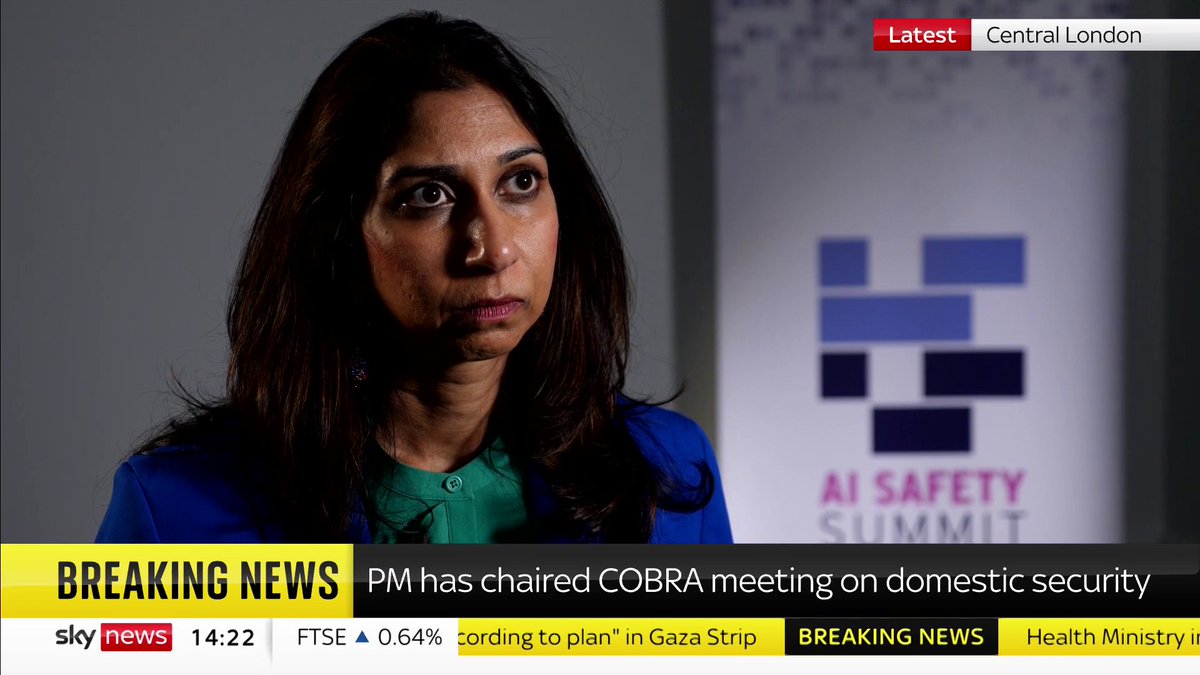
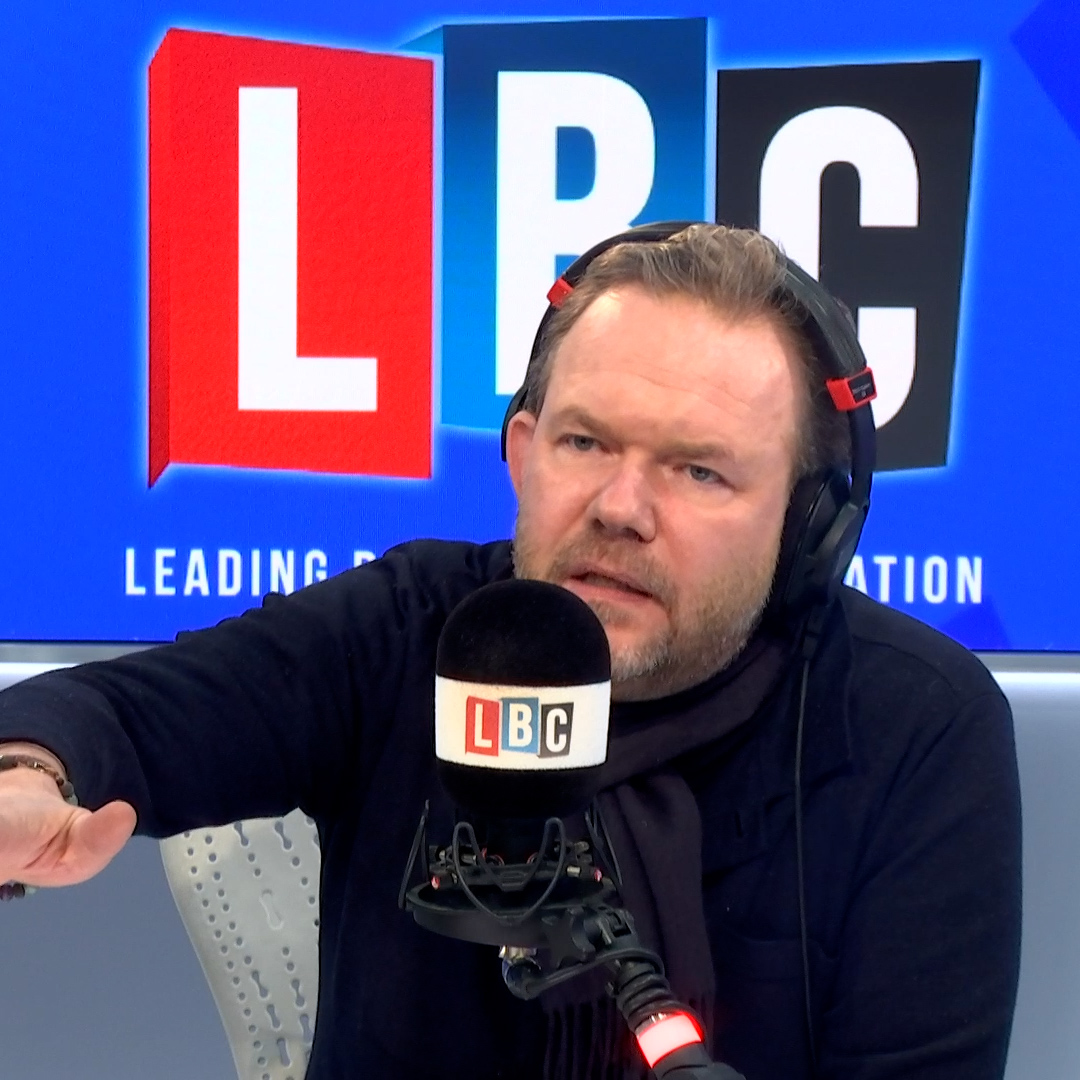
'[Gary Lineker] challenges the idea posed by Suella Braverman that these are hate marches, even though every time they happen there are calls for a holy war, the elimination of the state of Israel, and the wiping out of Jews... but Gary seems to have missed that!' @MrMarkDolan

66,423 Aufrufe • vor 2 Jahren •via X (Twitter)
10 Kommentare

Watch on GB News Youtube:

@mrmarkdolan They are not hate marches. The only person pushing the hate stance is braverman.

@mrmarkdolan That is just weapons grade bollocks...

@mrmarkdolan Any opinion on free speech and booting out people from your studio who dare to criticise your pathetic amateur channel?

@mrmarkdolan You are a liar and not fit to lace Lineker’s boots.

@mrmarkdolan They aren’t hate marches, GB News however, is a hate inciting channel desperate to cause division in our country, GB News is failing and hate is all GB News has left.

@mrmarkdolan Dozy Dolan, trying to do his bit, for encouraging racism

@mrmarkdolan Lineker is a Lefty lover. Full stop. Did he ever comment on the horrific gang-rapings and murders, etc, of the Israelis on Oct 7th? No he didn't. You're such a compassionate hero, Lineker. NOT.

The debate highlighted by @GBNEWS between Gary Lineker and Suella Braverman on the nature of certain marches raises important legal questions about the line between lawful protest and hate speech. In the UK, the right to peaceful assembly is protected under the Human Rights Act 1998, which incorporates the European Convention on Human Rights. However, this right is not absolute and must be balanced against other rights and freedoms. The Public Order Act 1986, specifically Sections 18 to 23, deals with racial and religious hatred. It is an offense to use threatening, abusive, or insulting words or behavior, or to display any written material which is threatening, abusive, or insulting, with the intent to stir up racial or religious hatred. Furthermore, the Racial and Religious Hatred Act 2006 amended the Public Order Act, making it an offense to use threatening words or behavior with the intent to stir up religious hatred. This includes calls for violence against groups of people based on their religious beliefs or ethnic origin. The characterization of marches as 'hate marches' would depend on whether the actions and words used during these events meet the legal criteria for incitement to hatred. It is the role of law enforcement and, if necessary, the courts to determine whether specific incidents within these marches constitute a breach of hate speech laws. It is crucial for public figures and commentators to be informed about these legal distinctions when discussing such sensitive topics. Mischaracterization can lead to misunderstanding and tension, whereas informed discussion can promote a more harmonious balance between the right to protest and the need to protect communities from hate speech. Explore @LawDiscoveries for further exploration of the intersection between protest rights and hate speech legislation, and how these legal frameworks apply to contemporary social issues

@mrmarkdolan Lienecker is a pathetic specimen.