Video wird geladen...

Video konnte nicht geladen werden

Zur Startseite

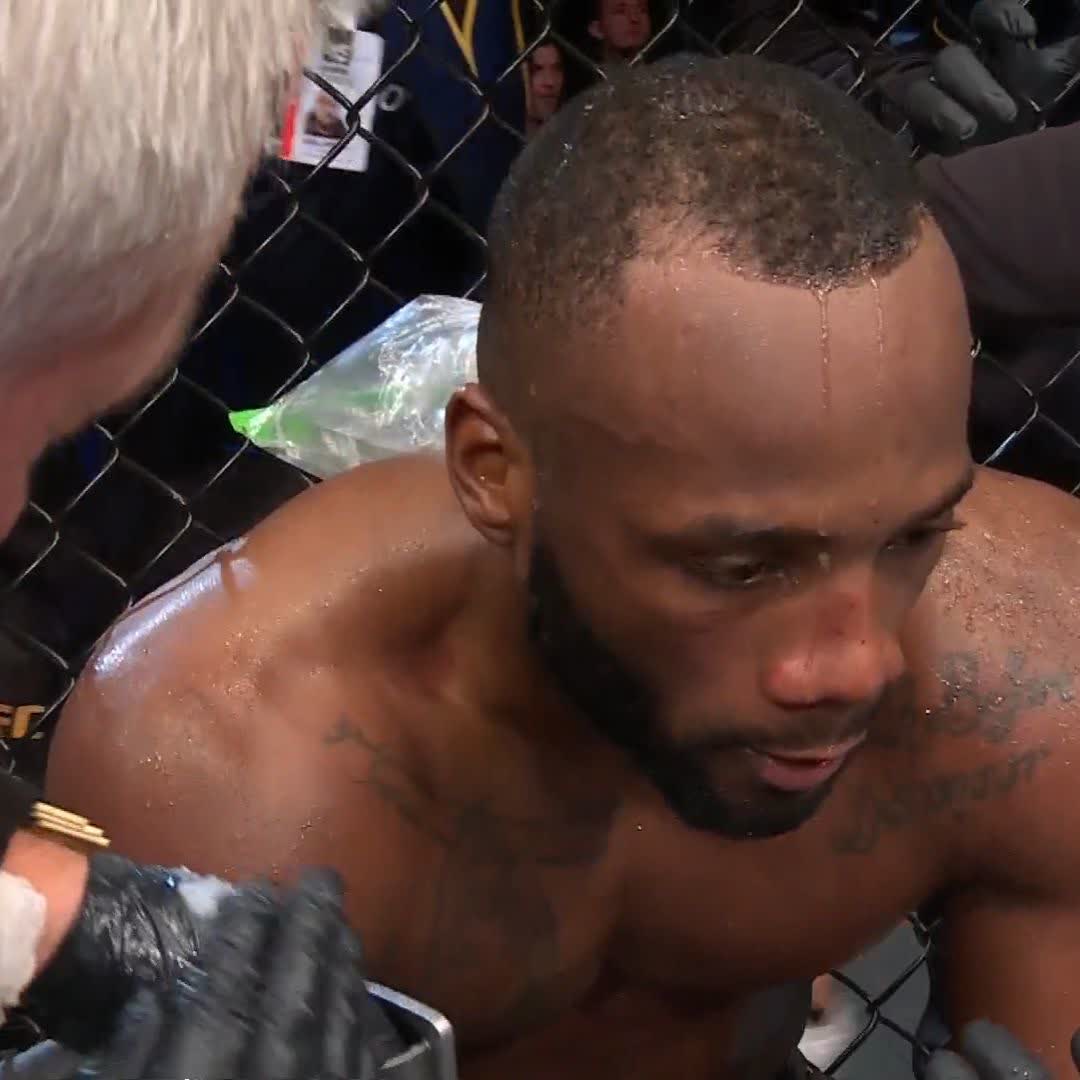
High intensity cardio protocol for improving VO2 max: "The Sugar Kane involves selecting some form of exercise that you can do at high intensity safely — for some of you it will be a stationary bike, for others running, for others rowing." Round 1: Go the maximum distance you...

36,928 Aufrufe • vor 5 Monaten •via X (Twitter)

16 Kommentare

Profilbild von liminally chris ⬡
liminally chris ⬡vor 5 Monaten

"going the maximum distance you can in two minutes" is the same as "going that same distance as fast as you can" the maximum distance in two minutes means the maximum (distance / time) which is speed

Profilbild von Ron Manuel🇨🇦🇺🇸
Ron Manuel🇨🇦🇺🇸vor 5 Monaten

Rest between rounds total rest? Or active rest at 70% like i understand the Norwegian 4x4 to be?

Profilbild von T. H. Reynolds
T. H. Reynoldsvor 5 Monaten

And let’s not forget about establishing a solid aerobic base with months of LSD training

Profilbild von Cloude
Cloudevor 5 Monaten

@DrAndyGalpin errmmm…??

Profilbild von Agent ORANGE
Agent ORANGEvor 5 Monaten

I'm practicing what you taught me.

Profilbild von Waistless
Waistlessvor 5 Monaten

Sounds brutal but effective, will test on the bike

Profilbild von Thiccolas Cage (Josh Allen enjoyer)
Thiccolas Cage (Josh Allen enjoyer)vor 5 Monaten

what exactly is the difference between 1 & 2

Profilbild von Rob de Vries
Rob de Vriesvor 5 Monaten

@DrAndyGalpin How long should I rest between the rounds?

Profilbild von Stop the FOMO
Stop the FOMOvor 5 Monaten

Pacing is critical and requires some practice because you have to start out at 80% and hit 100 near the end but you cannot start at 100% and last 2 minutes

Profilbild von Greenlandshark
Greenlandsharkvor 5 Monaten

Norwegian, 4 x 4’s are the bomb

Profilbild von Agent ORANGE
Agent ORANGEvor 5 Monaten

We've got a poser vs. Imposter syndrome A.I. type of problem going on in America 🇺🇸 🙄 who's real and who's fake.

Profilbild von Chill with Mei 🌥️
Chill with Mei 🌥️vor 5 Monaten

this sugar kane looks brutal, im trying it on bike

Profilbild von Brilliant_minds
Brilliant_mindsvor 5 Monaten

@DrAndyGalpin Round 4...!! resting for 15 minutes... ready for round 5?

Profilbild von BIoHacksForYourHealth
BIoHacksForYourHealthvor 5 Monaten

Always the best most informative information from him 👌👌

Profilbild von Agent ORANGE
Agent ORANGEvor 5 Monaten

Sometimes you've gotta feel it for yourself to truly know it. 💯

Profilbild von Dale Fink, Jr. NP, EP
Dale Fink, Jr. NP, EPvor 5 Monaten

What

Ähnliche Videos

Q: Should startups always raise as much money as possible? In the clip below, Marc Andreessen shares a framework that Benchmark co-founder Andy Rachleff taught him called "The Onion Theory of Risk". You can think of a day 1 startup as having every conceivable kind of risk: founding team risk, product risk, technical risk, market acceptance risk, revenue risk, cost of sales risk, viral growth risk, etc. A startup is basically just a long list of risks, and as Marc explains: "The way I think about running a startup is the way I think about raising money. It's a process of peeling away layers of risk as you go." You raise seed money to peel away the first two or three risks (e.g. founding team risk, product risk, initial launch risk). You raise the Series A round to peel away the next layer of risks (e.g. recruiting risk, customer risk, revenue risk, cost of sales risk) And so on. Basically, you're peeling away risk as you're achieving milestones. And as you achieve milestones, you're both: making progress on your business and justifying raising more capital. So in terms of fundraising, you should be calibrating the amount of money you're raising to the risks you need to pull out of your business for you to raise your next round. For example, if you're raising your Series A round, the best way to do that is to say to investors: "I raised a seed round then achieved ____ milestones and eliminated ____ risks. Now I'm going to raise $X for the Series A to achieve ____ milestones and eliminate ____ risks. This will get the company to ____ state for the Series B round. " This seems fairly obvious, but as Marc points out, it's a much more systematic way of going about things versus just raising as much money as possible, renting fancy offices, and hiring as many people as you can to grow as fast as you can. The more money you raise, the more you dilute your ownership stake in your business so it pays to be thoughtful. Raise the capital you will need to achieve the milestones and eliminate the risks required for your next financing round. It also probably makes sense to give yourself some margin as safety because things never go exactly as planned in startup land. Follow Startup Archive for more tactical startup advice!

Startup Archive

178,597 Aufrufe • vor 3 Jahren

Q: Should startups always raise as much money as possible? In the clip below, Marc Andreessen shares a framework that Benchmark co-founder Andy Rachleff taught him called "The Onion Theory of Risk". You can think of a day 1 startup as having every conceivable kind of risk: founding team risk, product risk, technical risk, market acceptance risk, revenue risk, cost of sales risk, viral growth risk, etc. A startup is basically just a long list of risks, and as Marc explains: "The way I think about running a startup is the way I think about raising money. It's a process of peeling away layers of risk as you go." You raise seed money to peel away the first two or three risks (e.g. founding team risk, product risk, initial launch risk). You raise the Series A round to peel away the next layer of risks (e.g. recruiting risk, customer risk, revenue risk, cost of sales risk) And so on. Basically, you're peeling away risk as you're achieving milestones. And as you achieve milestones, you're both: making progress on your business and justifying raising more capital. So in terms of fundraising, you should be calibrating the amount money you're raising to the risks you need to pull out of your business for you to raise your next round. For example, if you're raising your Series A round, the best way to do that is to say to investors: "I raised a seed round then achieved ____ milestones and eliminated ____ risks. Now I'm going to raise $X for the Series A to achieve ____ milestones and eliminate ____ risks. This will get the company to ____ state for the Series B round. " This seems fairly obvious, but as Marc points out, it's a much more systematic way of going about things versus just raising as much money as possible, renting fancy offices, and hiring as many people as you can to grow as fast as you can. The more money you raise, the more you dilute your ownership stake in your business so it pays to be thoughtful. Raise the capital you will need to achieve the milestones and eliminate the risks required for your next financing round. It also probably makes sense to give yourself some margin as safety because things never go exactly as planned in startup land.

Michael McGuiness

735,728 Aufrufe • vor 3 Jahren