Загрузка видео...

Не удалось загрузить видео

На главную

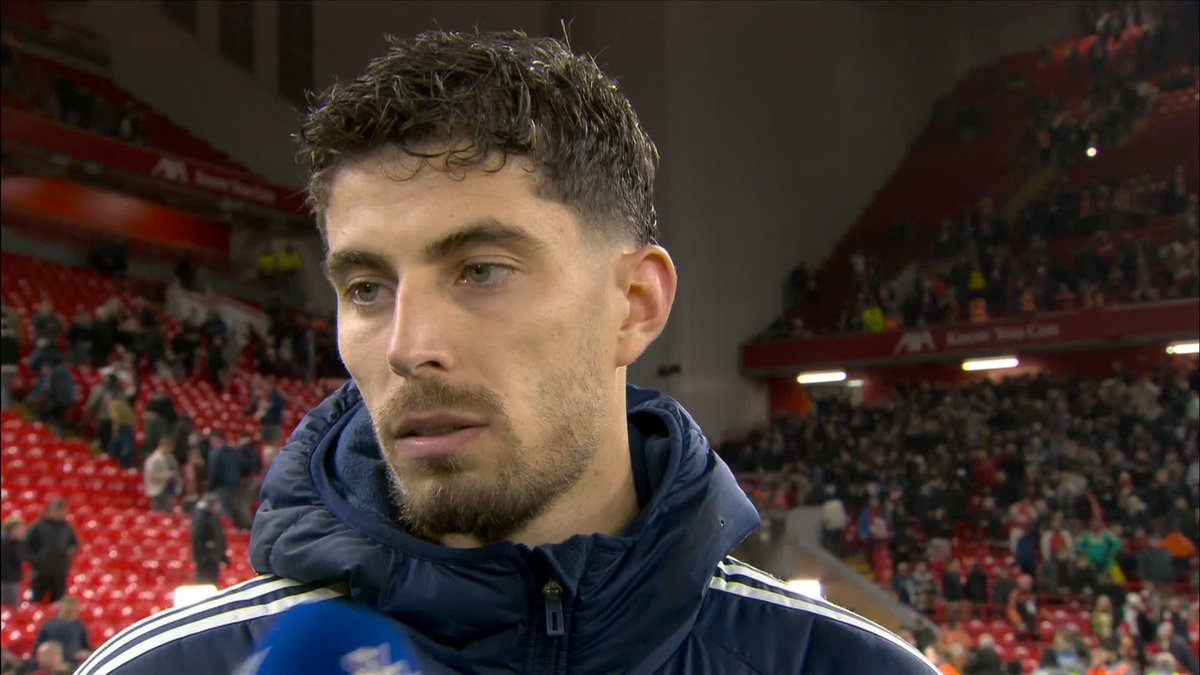
Hirnfinsternis.

18,138 просмотров • 2 месяцев назад •via X (Twitter)

Комментарии: 0

Нет доступных комментариев

Здесь появятся комментарии из оригинального поста

Похожие видео

THE CONSTANT CURRENT AND THE SHIFTING RIVERBED: Decoding the Artistic Identity of the Prelude to Cello Suite No. 1 (BWV 1007) With just the first four notes of the Prelude BWV 1007, many recognize it instantly as Bach—yet very few can articulate why it possesses an identity so unmistakable from any other prelude by the composer himself. The answer does not lie in generalized concepts such as polyphony or the resonance of the instrument. Those are compositional methodologies and instrumental characteristics in a broad sense, not the unique identifier of this specific piece. One of the things that makes the Prelude BWV 1007 always feel extraordinary to the listener, from the perspective of this essay, lies in an architectural illusion: a structural pattern that remains nearly invariant on the surface, yet continuously generates harmonic shifts underneath—a vast polyphonic space born from a strictly monophonic line. In other words, it offers the sensation of a current that always flows in the exact same manner, while the riverbed beneath is in constant flux. While keyboard preludes like BWV 846 also utilize the repetition of an arpeggiated pattern to shift harmony, BWV 1007 exhibits a vital qualitative difference. In keyboard music, the majority of the harmonic structure is already directly present in the acoustic output, so the listener does not have to actively reconstruct it to the degree required when listening to BWV 1007. Here, Bach binds himself to a rigorous constraint: writing a continuous chain of arpeggios for a solo instrument that is inherently monophonic. At any given moment, only a single note sounds, requiring the brain to engage at a much higher level to co-create and complete the harmonic structure. To shape this structural signature, Bach establishes a wave-like, symmetrical arpeggio pattern on the auditory surface: ascending from the bass, peaking at the top, and curving back down, repeating steadily in a relentless stream of sixteenth notes. Maintaining this precise "footstep" so radically creates a surface illusion of stillness, lulling the listener into a state akin to stasis. Yet right within that surface stillness, the harmonic riverbed of G major underneath is constantly shifting through different harmonic degrees (from I to ii, V, vi, IV). The foundation speeds ahead while the external form remains completely unchanged. To allow the harmonic riverbed to shift continuously without shattering the serenity of the surface current, Bach employs the master tool of voice leading. Through it, Bach creates the sensation that each movement arises organically from the one preceding it. When moving between harmonic blocks, he always chooses the smoothest path: retaining the common tone, while the remaining voices move only by microscopic intervals—half steps or whole steps. This delicate voice-leading structure pairs perfectly with a highly transparent harmonic density and the natural breathing room of the cello's open registration. The piece demands absolute control over the continuity of the bow (legato) and leverages the deep resonance of the open strings (G - D - A). Ascending from the lowest open G string, the acoustic space opens up luminous, direct, and vast, ensuring that any micro-shift in the riverbed below becomes a major event to the ear. Why did Bach choose this specific mode of motion instead of creating dramatic narrative twists? The answer lies in the artistic intent of an opening movement. This Prelude was not built to surprise; it opens the entire cycle of Cello Suites as the most natural point of departure. Instead of ostentation on the surface, Bach places the entirety of the vital force into the subterranean shifting of the harmony. The listener is not dragged along by external incidents but is guided by the natural logic of unified causality. Because the piece is written as a sequence of single notes rather than a simultaneous presentation of chords, the listener's brain is forced into a task of "co-creation." The audience must hold the note that just sounded in short-term memory, connecting it to the next to deduce the harmonic block within the mind. The listener is not handed a fully built house; they construct it themselves from the bricks Bach offers at a flawless tempo. From this perspective, the composition evokes an inherent philosophical principle deeply rooted in the Baroque spirit: the creation of order within diversity, and movement within stillness. A current that continuously alters both its form and content becomes chaos; conversely, one that stands completely still becomes dead. Bach achieves the sublime because his musical architecture finds life precisely at the intersection: a current that can maintain its external form while constantly renewing itself from within. The tight fusion between this underlying harmonic structure, the characteristic warmth of the cello's timbre, the pristine opening interval of G major, and the generous resonance of the open strings are precisely what allow a mere few opening measures to summon the distinct artistic identity of BWV 1007. A steadfast imagery, born of a seemingly constant current and a riverbed always shifting from deep within a solo monophonic instrument.

🎼🌺Music Love♥️

14,302 просмотров • 3 месяцев назад

P*rn destroyed my life. A former p*rn actress wanted to start a new life, but she admitted that even after leaving the industry, she couldn’t escape her past. She was making up to $60,000 a month doing p*rn. Then she walked away from it all, hoping to finally live a normal life. Five years later, she was sitting in front of a camera, crying because people still refused to accept her. When the interviewer asked how she wished people would treat her, she covered her mouth and struggled to hold back tears. She said she simply wanted to be treated like an ordinary married nurse with children in Indiana. Then she admitted she didn't believe that would ever happen. And the most surprising part? She claimed she could return to p*rn and make $20,000 in just one week. But she refused because she couldn't bear the thought of putting more videos of herself on the internet. United States. March 2016. Her name is Bree Olson. At 19, Bree was studying biology at Purdue University while working full time as a telemarketer. She had considered a career in medicine, but one day she decided to try something completely different. She flew to Los Angeles to film her first adult scene. What happened next changed her plans entirely. Bree was shocked by how much money she could make in such a short amount of time. Eventually, she dropped out of college and began pursuing a career in adult entertainment. Before long, she became one of the industry's most recognizable performers. According to Bree, at the height of her career, she was earning between $30,000 and $60,000 a month. She traveled, won awards, and enjoyed a lifestyle she once could only dream of. In 2011, she found herself at the center of a major media frenzy after becoming romantically involved with Hollywood actor Charlie Sheen. Her private life suddenly became national entertainment. Television personalities discussed her relationships, her career, and whether someone with her background could ever become a respectable wife or mother. That same year, at 25, Bree decided to leave the adult film industry. She hoped that walking away would allow her to build a new identity and finally escape the public judgment surrounding her career. But things didn't turn out the way she expected. She said employers rejected her because of her past, and people she met sometimes stopped talking to her after discovering what she used to do. Some treated her as though she were a danger to children. Bree described feeling so uncomfortable in public that she sometimes stayed inside her home for days or even weeks. And there was something else she couldn't escape. Her old videos were still online. Even though she had stopped filming, her previous work continued circulating, and she wasn't receiving royalties from those recordings. In March 2016, Bree agreed to sit down for an emotional interview with Real Women, Real Stories. She spoke openly about her career, the money she had earned, and the struggles she faced after leaving. She made it clear that she didn't believe there was anything inherently wrong with working in the adult industry. What hurt her most was the way people treated her afterward. But the most emotional moment came near the end of the interview. The interviewer asked Bree a simple question. How would she like people to treat her? For a moment, she couldn't answer. She covered her mouth as tears filled her eyes. Then she explained that she wanted to be treated like an ordinary woman with a family, children, and a normal career. She said she would be incredibly happy if people could see her that way. But she didn't believe it would ever happen. Bree later explained that she didn't blame the adult industry itself for her suffering. She blamed the judgment she faced after leaving. By 2019, she had built her own business and found greater independence. But she said her past still created obstacles, including people refusing to work with her after learning about her former career. Her story raises an uncomfortable contradiction. Millions of people consume adult entertainment, yet some of those same people believe the performers who create it should never be allowed to move on from their past. Do you think someone's former career should follow them for the rest of their life, even after they've decided to start over?
5:08

Sensitive content

P*rn destroyed my life. A former p*rn actress wanted to start a new life, but she admitted that even after leaving the industry, she couldn’t escape her past. She was making up to $60,000 a month doing p*rn. Then she walked away from it all, hoping to finally live a normal life. Five years later, she was sitting in front of a camera, crying because people still refused to accept her. When the interviewer asked how she wished people would treat her, she covered her mouth and struggled to hold back tears. She said she simply wanted to be treated like an ordinary married nurse with children in Indiana. Then she admitted she didn't believe that would ever happen. And the most surprising part? She claimed she could return to p*rn and make $20,000 in just one week. But she refused because she couldn't bear the thought of putting more videos of herself on the internet. United States. March 2016. Her name is Bree Olson. At 19, Bree was studying biology at Purdue University while working full time as a telemarketer. She had considered a career in medicine, but one day she decided to try something completely different. She flew to Los Angeles to film her first adult scene. What happened next changed her plans entirely. Bree was shocked by how much money she could make in such a short amount of time. Eventually, she dropped out of college and began pursuing a career in adult entertainment. Before long, she became one of the industry's most recognizable performers. According to Bree, at the height of her career, she was earning between $30,000 and $60,000 a month. She traveled, won awards, and enjoyed a lifestyle she once could only dream of. In 2011, she found herself at the center of a major media frenzy after becoming romantically involved with Hollywood actor Charlie Sheen. Her private life suddenly became national entertainment. Television personalities discussed her relationships, her career, and whether someone with her background could ever become a respectable wife or mother. That same year, at 25, Bree decided to leave the adult film industry. She hoped that walking away would allow her to build a new identity and finally escape the public judgment surrounding her career. But things didn't turn out the way she expected. She said employers rejected her because of her past, and people she met sometimes stopped talking to her after discovering what she used to do. Some treated her as though she were a danger to children. Bree described feeling so uncomfortable in public that she sometimes stayed inside her home for days or even weeks. And there was something else she couldn't escape. Her old videos were still online. Even though she had stopped filming, her previous work continued circulating, and she wasn't receiving royalties from those recordings. In March 2016, Bree agreed to sit down for an emotional interview with Real Women, Real Stories. She spoke openly about her career, the money she had earned, and the struggles she faced after leaving. She made it clear that she didn't believe there was anything inherently wrong with working in the adult industry. What hurt her most was the way people treated her afterward. But the most emotional moment came near the end of the interview. The interviewer asked Bree a simple question. How would she like people to treat her? For a moment, she couldn't answer. She covered her mouth as tears filled her eyes. Then she explained that she wanted to be treated like an ordinary woman with a family, children, and a normal career. She said she would be incredibly happy if people could see her that way. But she didn't believe it would ever happen. Bree later explained that she didn't blame the adult industry itself for her suffering. She blamed the judgment she faced after leaving. By 2019, she had built her own business and found greater independence. But she said her past still created obstacles, including people refusing to work with her after learning about her former career. Her story raises an uncomfortable contradiction. Millions of people consume adult entertainment, yet some of those same people believe the performers who create it should never be allowed to move on from their past. Do you think someone's former career should follow them for the rest of their life, even after they've decided to start over?

𝐒𝐚𝐝𝐨𝐭𝐨

5,069,610 просмотров • 8 дней назад