Loading video...

Video Failed to Load

Go Home

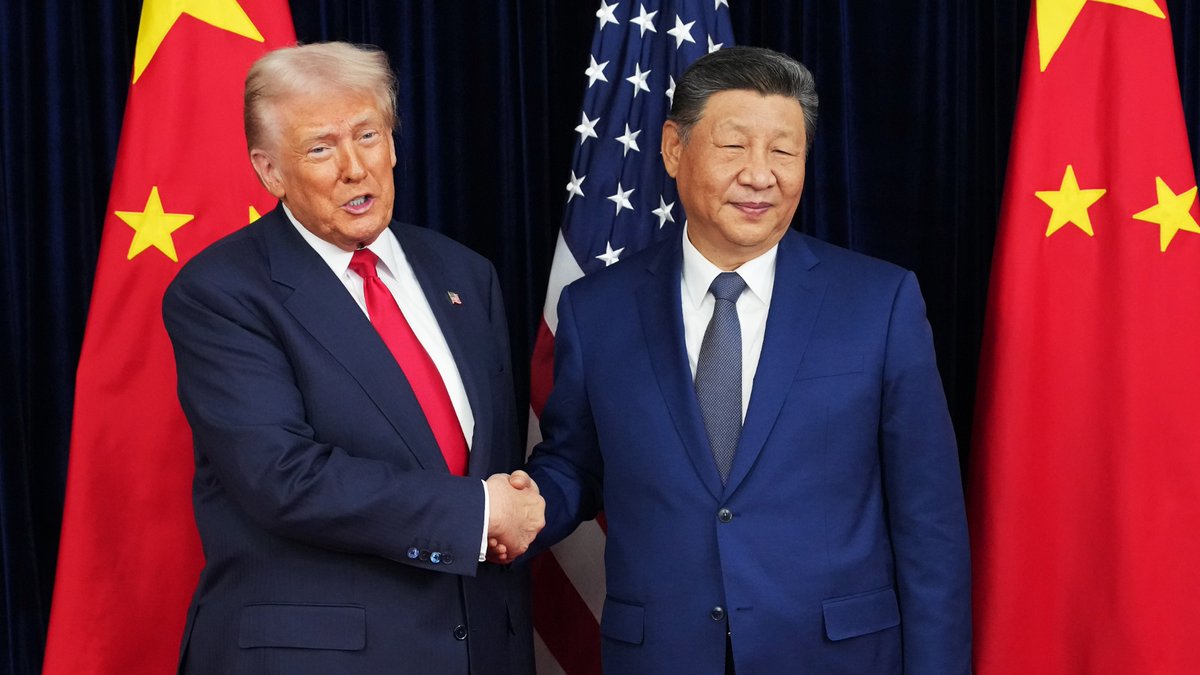
Hoover Institution Senior Fellow Niall Ferguson explains why it's difficult for the US to break away from its dependency to China and vice versa. Former Treasury Secretary Larry Summers calls it "hostile codependence." Tune into this episode of Wall Street Week tonight at 6 pm ET

22,016 views • 1 year ago •via X (Twitter)

2 Comments

Dave Johns's profile picture
Dave Johns1 year ago

his posts and analysis are great.@kuanglanger1 🌹

paulp123's profile picture
paulp1231 year ago

.. @LHSummers is a fcking communist. DEPORT Larerence.

Related Videos

Hoover Institution senior fellow Niall Ferguson (Niall Ferguson) joins this episode of Uncommon Knowledge with Peter Robinson (Peter Robinson) to discuss the war and ongoing stalemate in Ukraine; the Trump administration's foreign policy and negotiations with Russia; and the broader geopolitical landscape, including the shift in Europe's defense posture as the US signals a reduced commitment to NATO. Throughout the conversation, Ferguson explores historical analogies to understand Ukraine's position better, using comparisons to South Korea and South Vietnam. He discusses China's backing of Russia and its role in what he calls Cold War II, highlighting the long-term implications of this growing alliance. The discussion also covers the shock strategy deployed by President Trump and Vice President JD Vance to pressure Europe into taking more responsibility for its defense, a move that Ferguson believes has finally awakened European leaders to their countries' security needs. Beyond Ukraine, the conversation shifts to the larger economic and military vulnerabilities of the United States, particularly in relation to China. Ferguson argues that America is no longer in a position of overwhelming strength and draws parallels between the US today and Britain in the 1930s: both as declining empires facing an emboldened adversary. He warns that while Trump's realpolitik approach may be a necessary adaptation to America's strategic limitations, its success remains uncertain. The discussion ultimately raises the question of whether this strategy will prevent a major conflict or, conversely, accelerate the decline of American global primacy.

Hoover Institution

46,635 views • 1 year ago