正在加载视频...
视频加载失败
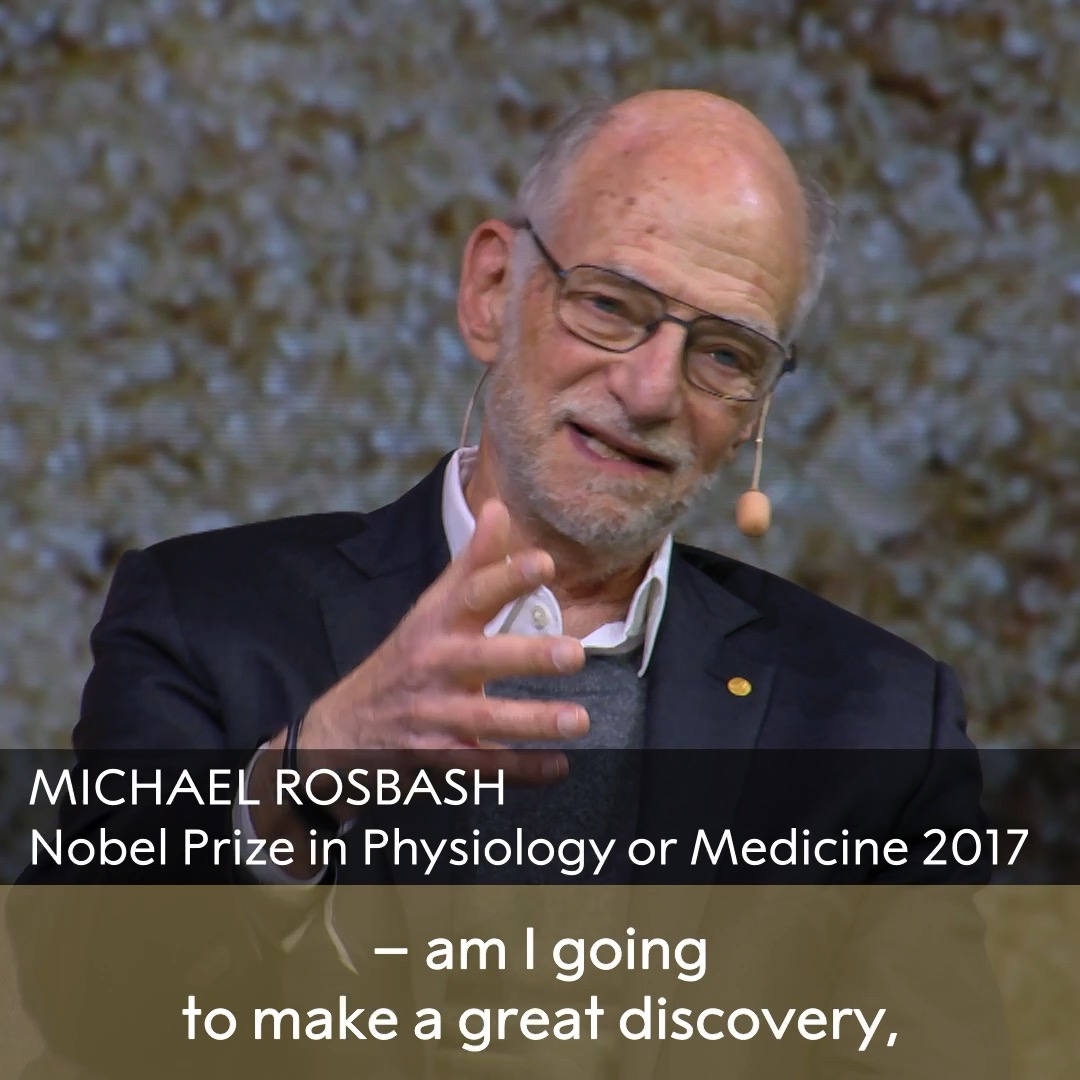
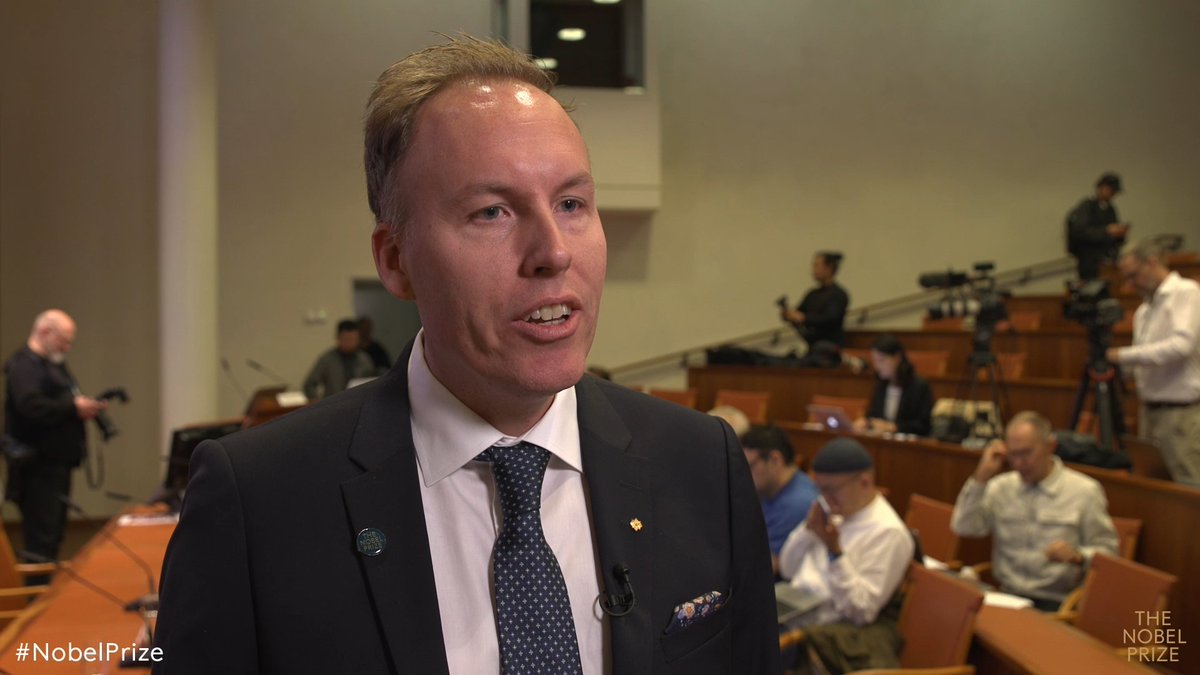
How and why do we sleep? Nobel Prize laureate Michael Rosbash, who unearthed the secret of our biological clocks, discusses what we know about sleep in this year's Nobel Week Dialogue. Learn more:
8 条评论

Wow, that was enlightening. It is always blissful to listen to such stalwarts, who provide a new opportunity in understanding life's complexity.

What a load of waffle. If he had any real insight he didn’t share. The main take away is sleep is important (we know) and make sure you get enough (we know)

Easy! #PoutineDidIt all to us all, alrighty Almighty?

“Science doesn’t tell us why the Big Bang happened, how the singularity occurred in the first place, or why it exploded when it did. It tells us there is objective scientific evidence that it occurred. So, what exactly was the Big Bang?” – Book III The Enigmatic Mystery

Isn't there a certain amount of space inside most matter? If an icy Comet falls into a black hole, doesn't the space inside its pores also fall into that black hole? If space inside a Comet can fall into a black hole, why can't space outside of a Comet fall into a black hole too?

Physique et aérophagie

What a bunch of nonsense, @NobelPrize continues to push the false belief of evolution.
If an empty universe were suddenly filled with many clocks each placed equidistant from one another, then each clock would have the same time as Newton's 'absolute time'. But if you took one of those clocks & made it move in relation to the others, then Relativity would commence.