Video wird geladen...

Video konnte nicht geladen werden

Zur Startseite

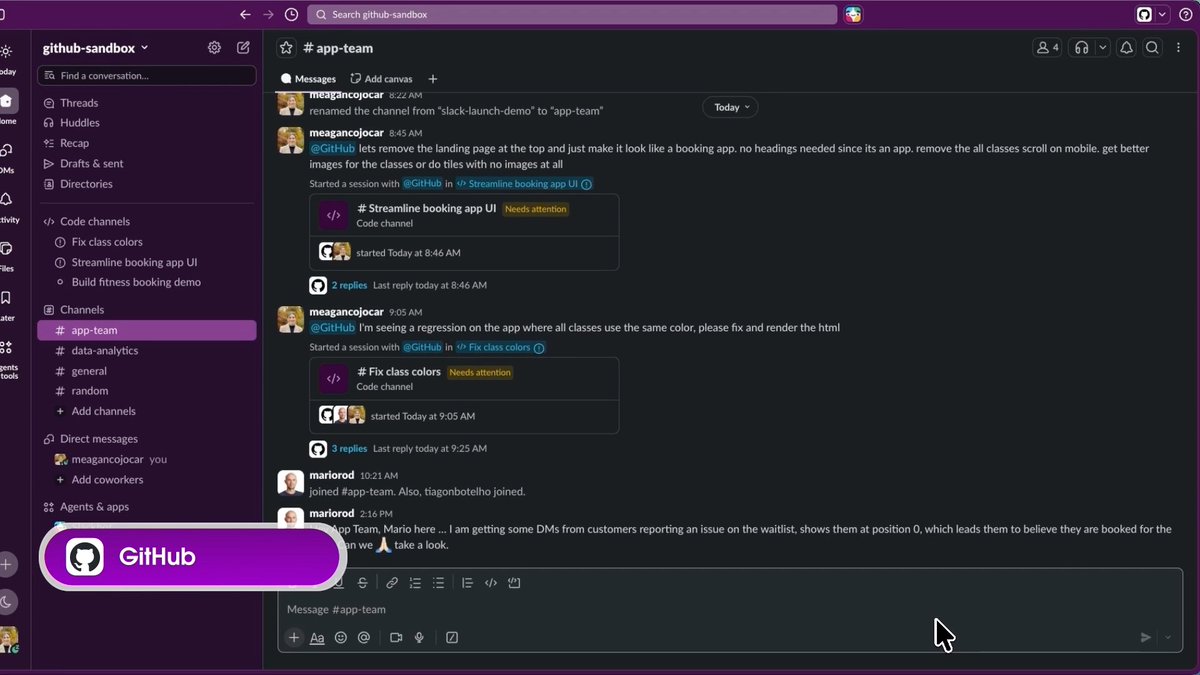
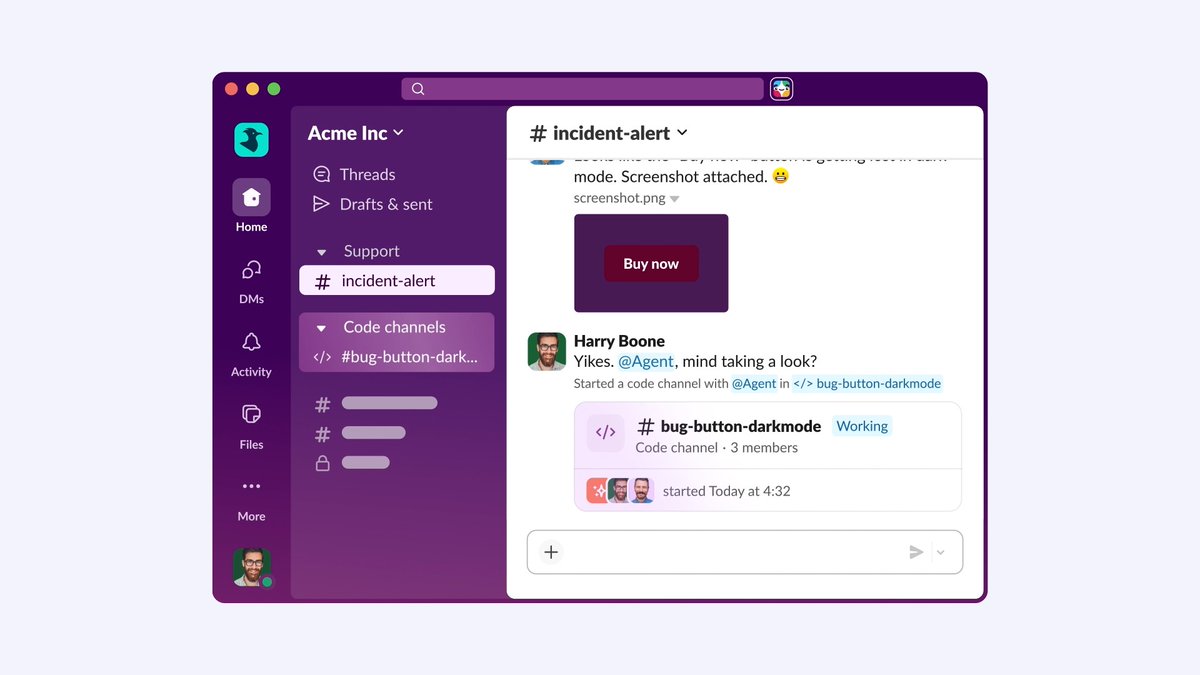
How is Slack Code changing the way Vercel works with agents? 👀👇 Now, when a bug pops up, the agent gets right on it. It digs into what went wrong, fixes it, and checks that everything’s working again. And the team’s right there, working alongside it the whole time....

12,411 Aufrufe • vor 2 Monaten •via X (Twitter)

6 Kommentare

Profilbild von Kobe
Kobevor 2 Monaten

@vercel Slack Code convierte un bug en una tarea que el agente de Vercel puede investigar, corregir y validar sin sacar al equipo del flujo. Ahí empieza a sentirse como un compañero de trabajo.

Profilbild von RH Fardin
RH Fardinvor 2 Monaten

@vercel An agent fixing a bug is useful. An agent quietly choosing the wrong bug is how teams create faster chaos.

Profilbild von Romaric Philogène
Romaric Philogènevor 2 Monaten

@vercel @Bonnet_Remi 👀👀

Profilbild von Mark
Markvor 2 Monaten

@vercel Solid point. Deterministic checks reduce friction across compliance heavy systems

Profilbild von Adel Bucetta
Adel Bucettavor 2 Monaten

@vercel slack code's not just automating tasks, it's shifting the entire feedback loop. now devs can focus on what really matters: the stuff that can't be codified

Profilbild von Jason Sims
Jason Simsvor 2 Monaten

@vercel I gotta add this to our eng agent 🤯
Ähnliche Videos

WHAT IS AN AI "SOFTWARE FACTORY" AND IS IT HYPE (31 MINUTE BREAKDOWN) I think it's a silly name for a genuinely USEFUL idea! A software factory is 5-6 markdown files that sit next to your code and tell your agents how you like to work, so you can build high quality apps 24/7. It's going viral because AI coding has a trust problem. The model can build the feature, but with no structure around it you end up babysitting the agent, wondering what changed and hoping it didn't break something important. So you build with agents the same way a factory builds physical products! 1. Each feature gets its own station, which in software means its own branch, so multiple agents can work at the same time without stepping on each other. 2. The build station gives the agent rules for how to write the code, because "it works" is very different from "a developer could open this repo next month and understand what happened." 3. The proof station makes the agent show evidence. Screenshots, videos, speed numbers, before-and-after states. It has to prove the thing works instead of saying it works. 4. The review station runs the work through a code review agent, and if it doesn't clear the bar, it goes back through the line. 5. Then you show up at the end to merge. For a 100+ years people have run production this way, and it worked because the structure is good. The full episode on what’s a software factory is NOW live on The Startup Ideas Podcast (SIP) 🧃 with the wonderful Micky Watch: So is it hype?!? I don't think it is, because of what it does to your output! WITHOUT a factory, you build ONE feature at a time and you're the bottleneck at every step, prompting, checking the diff, testing it yourself, hoping nothing else broke (spoiler alert it often does). WITH a factory, EACH feature runs in its own isolated copy of the app, so you can have 10+ of them going at once, and each agent has to prove its own work and pass a code review before it ever reaches you. Instead of supervising the work, you're APPROVING finished work that already has evidence attached. REALLY interesting to see how work with agents is evolving to be….well, similar to working with people!

GREG ISENBERG

32,056 Aufrufe • vor 1 Monat