Loading video...
Video Failed to Load
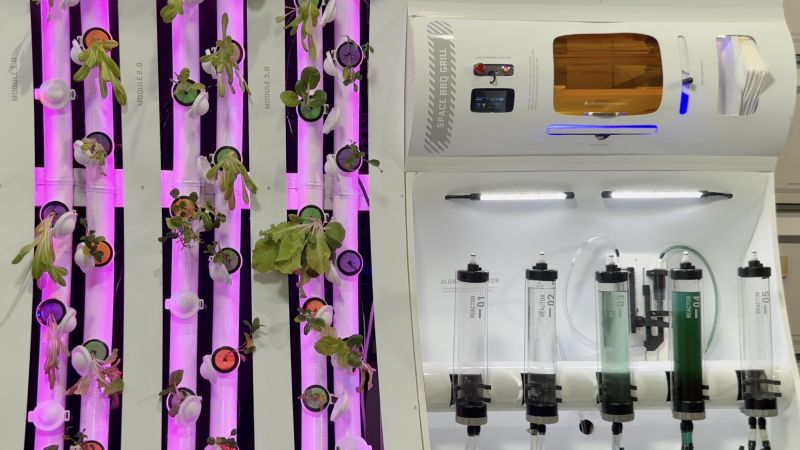
How life could work on Mars

7,714,165 views • 2 years ago •via X (Twitter)
9 Comments

The Grand Canyon of Mars compared to the US 🇺🇸

Miguel San Martín, an immigrant who’s worked for NASA for 35 years, logging his 5th successful rover landing on Mars

This is how starship ll land on Mars in couple of years I bet

How long does it take to get to Mars? 🚀

Life on Mars looks fun!!

I saw this movie, there was an explosive blowout and the potatoes died.

Mars has a thin atmosphere composed mostly of carbon dioxide, with very little oxygen. The surface is bombarded by intense radiation from the sun and cosmic rays, and temperatures can vary dramatically, ranging from extremely cold to relatively mild in certain regions. Life on Mars would need to adapt to these harsh conditions to survive. Mars is a barren and desolate planet with no surface water, limited atmospheric pressure, and sparse vegetation. Any potential life forms would need to find alternative sources of water, nutrients, and energy to sustain themselves. Some scientists speculate that life on Mars, if it exists, may be found underground or in subsurface habitats where conditions are more stable and protected from radiation. Underground caves, lava tubes, or ice deposits could potentially provide shelter and resources for microbial life forms. Life forms that thrive in extreme environments on Earth, known as extremophiles, may provide clues to the types of organisms that could potentially survive on Mars. These could include bacteria, archaea, and other microorganisms adapted to survive in conditions of high radiation, low temperatures, and limited resources. Despite the challenges, scientists and space agencies are exploring the possibility of human colonization of Mars in the future. Establishing sustainable habitats, developing technologies for resource extraction and utilization, and addressing health and safety concerns would be crucial steps in making Mars habitable for humans.

This looks like a nightmare. A fancy prison on a dead planet.
I’d be nervous about sharp objects puncturing my the buildings