正在加载视频...

视频加载失败

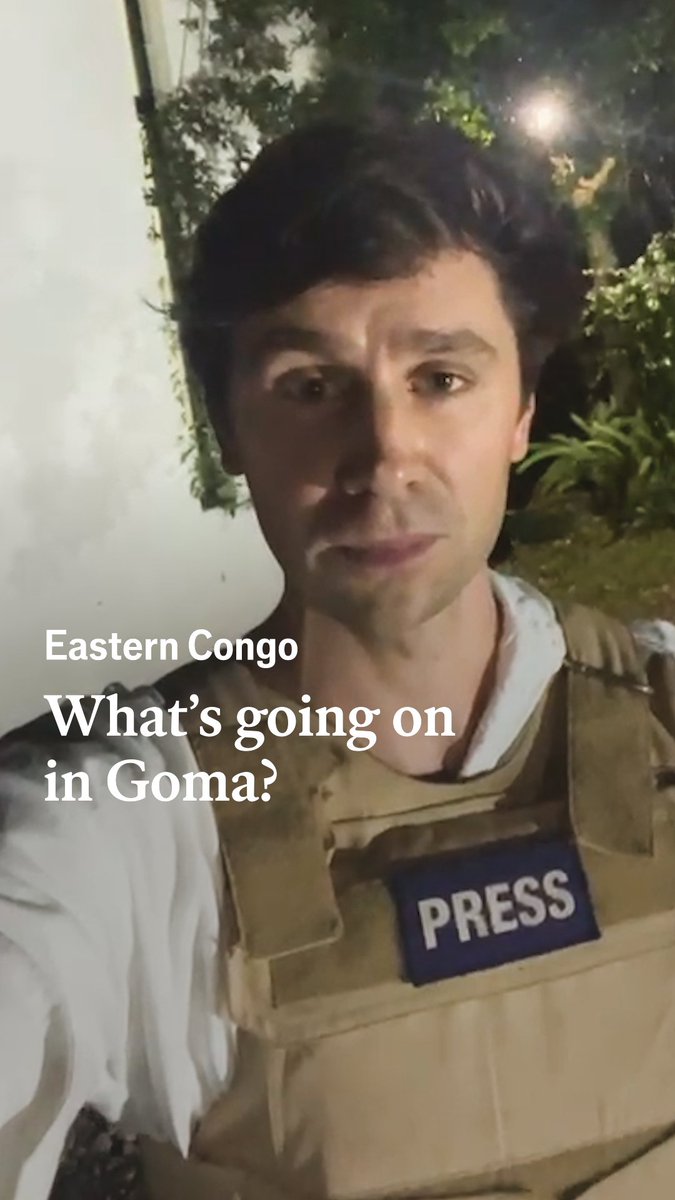
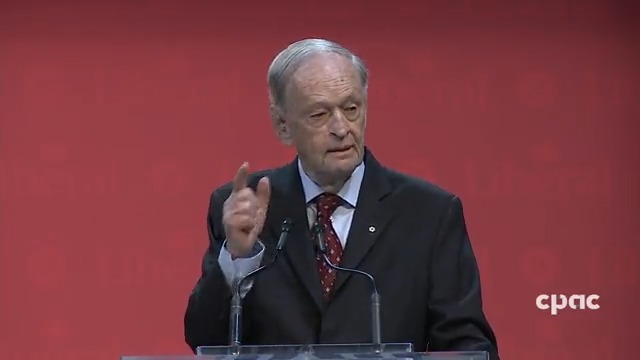
How many times will Canada miss the real warning? Rwanda is NOT causing instability in Congo! The issue is the marginalization of Congolese Tutsis, lack of security & bad leadership. M23 is a result of these internal problems. Time to address the cause, not shift the blame.

73,900 次观看 • 1 年前 •via X (Twitter)

11 条评论

stg task 🇨🇩🐆 的头像
stg task 🇨🇩🐆1 年前

In your document let’s me guess you are Congolese Tutsi refugee 😂😂😂😂😂😂😂😂😂😂💔😂

Mammoth Nation 的头像
Mammoth Nation2 年前

Stop funding the corrupt radical left that hates America and the rule of law. Join Mammoth Nation today.

WTM 的头像
WTM1 年前

Where did Rwanda 🇷🇼 get its mandate to protect Congolese Tutsis?? How can Rwanda invite its self to solve Congo 🇨🇩 internal problems such as Congolese Tutsis??

florymwanim 的头像
florymwanim1 年前

Kiekiekie qui t'as aussi dit ça, pourquoi cette mascarade ne peut pas s'arrêter dans vos bouches ? Le Congo a plus de 450 tribus pourquoi seulement marginaliser une seule ? Et si le problème du Congo est tel que tu le dis que viennent faire les RDF au côté du m23?

Аристотель 🇨🇩 的头像
Аристотель 🇨🇩1 年前

Your manipulation strategy with the name 'genocide 1994' does not work; everyone discovered your lies. You are a lying people, this is your culture. You are a bunch of hypocrites

Team Congo 的头像
Team Congo1 年前

Victimization, lies, and narrative distortion… no one is fooled anymore! You speak of 'Congolese Tutsis,' a fabrication of your imagination, while history has already proven otherwise. Keep crying—truth doesn’t change.

Mwanacongo 的头像
Mwanacongo1 年前

If tutsi are marginating in Congo what about Hutu that makes 85% of the population but has no place in the society? Here is the Army of Rwanda where all positions are reserved only for tutsi

Dady NAP 的头像
Dady NAP1 年前

Il est temps que le Rwanda puisse négocier avec les FDLR. Car tout ces FDLR que notre gouvernement RDC rapatrié au Rwanda ils sont recyclés et renvoyés par le Rwanda combattre au côté du M23 . Alors qu'est ce que la RDC gagne ? Rien . Nous exigeons un dialogue inter-rwandais

Sindayigaya Pacifique 的头像
Sindayigaya Pacifique1 年前

Rwanda is so proud of you Girls ✊

Hornel Lama, Msc, MBA 的头像
Hornel Lama, Msc, MBA1 年前

We don’t care ! You can explain it to God we don’t care

Mwanacongo 的头像
Mwanacongo1 年前

This is are the leaders of tutsis in Congo look how they are and tell me who looks marginating there, lies, brainwashing, victimization is you’ll tools of survival, the oppressor that wanna make himself a victim

相关视频

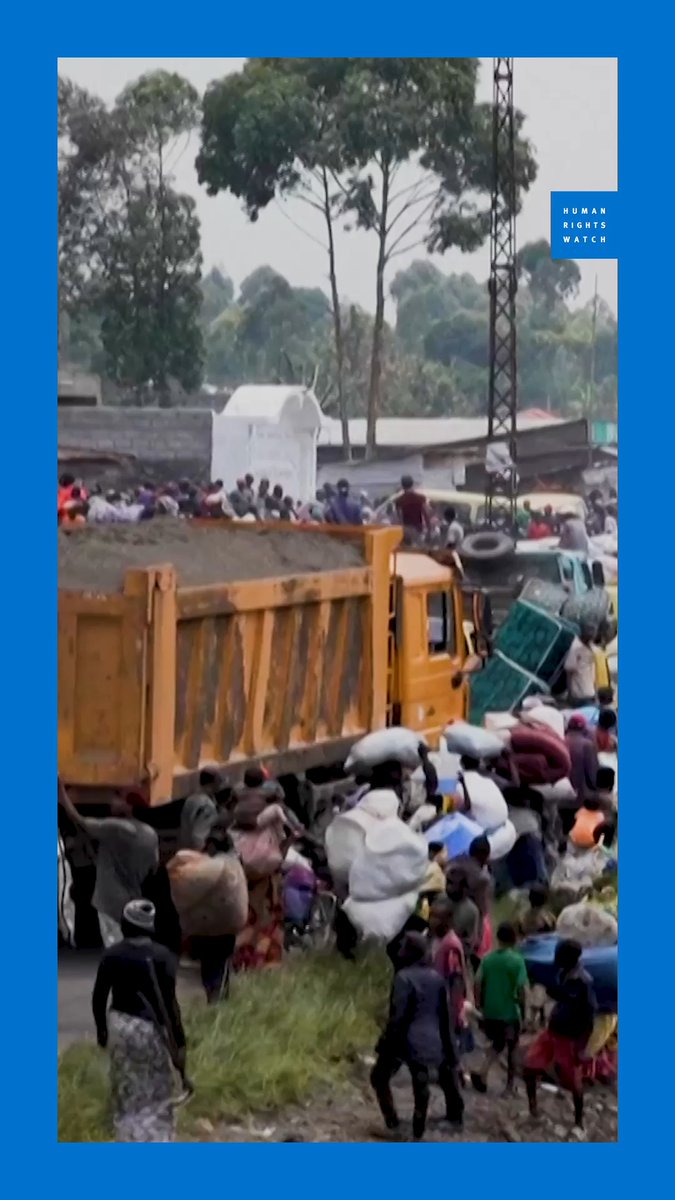
Like all Africans and beyond, I am deeply saddened by the situation in the Eastern Congo. I want to pass my condolences to South Africa on the death of its soldiers who have died in pursuit of peace in the DRC, and everyone who has been killed by this crisis. Today I took time to understand the issues and the root cause of the Great Lakes crisis, you can’t understand it all in a day. I am not an expert on the Great Lakes, but I found two insightful videos featuring Tanzania’s founding father, Mwalimu Julius Nyerere, and former South African President Thabo Mbeki explaining it. Both leaders were actively involved in efforts to address the Great Lakes issue, with Nyerere engaging as far back as 1992 and earlier. The problem can be traced back to 1885 during the Berlin Conference, where Africa was partitioned among European colonial powers and borders were drawn regardless of ethnic sensitivities. Belgium, the colonial power in the DRC, and Germany, the colonial power in Rwanda, drew borders that divided the Rwandan Kingdom, incorporating parts of it into what is now the DRC. As a result of this partitioning, the Banyarwanda (including the Banyamulenge) ended up living on both sides of the border—in Rwanda and the DRC. Just like the Tswanas in South Africa and Botswana. Despite being Zairean (Congolese) citizens, the Banyarwanda in the DRC were often treated as foreigners by successive Congolese governments, and they faced significant discrimination. The situation worsened after the Tutsi genocide in Rwanda in 1994 which was carried out by the Hutus, when perpetrators of the genocide fled into the DRC, particularly to areas where Congolese Banyarwanda lived. These perpetrators formed a militia called the Democratic Forces for the Liberation of Rwanda (FDLR). The FDLR, which opposes the current Rwandan government, was later incorporated into the Congolese army, causing Rwanda to view their presence in Eastern Congo as a significant security threat. Rwanda objected to the persecution of the Congolese Banyarwanda by the Congolese Government and the FDLR in the DRC. Rwanda’s said its involvement in the DRC is rooted in its efforts to neutralise the FDLR and protect its national security, as well as to address the marginalisation of the Banyarwanda in Eastern Congo. However, this involvement has also sparked significant controversy and accusations of resource exploitation and destabilisation by the DRC. The M23 (March 23 Movement) originated from the National Congress for the Defence of the People (CNDP), a Tutsi-led rebel group in the DRC that operated in the mid-2000s. The CNDP was mainly focused on protecting the rights of Congolese Tutsis (Banyarwanda) who faced discrimination and violence, particularly after the 1994 Rwandan Genocide. Reports by Human Rights Watch in October 2022 revealed that the Congolese military supported the FDLR in their military operations against the M23 rebel group. At the same time, the Congolese government has accused Rwanda of supporting the M23 militarily. Currently the conflict involves the M23 and the Congolese army, with the DRC accusing Rwanda of deploying its troops on Congolese soil. As Nyerere points out in the video, the Zairean government stripped the Banyarwanda in the Congo of their citizenship, rendering them stateless. However, they are Congolese due to the colonial borders. What is clear is that this crisis is not an overnight problem, it has been there for decades, long before both Presidents Paul Kagame and Félix Tshisekedi were in power. What is lacking is leadership from the region and the continent to help both countries resolve this crisis once and for all. It is like a volcano that has been erupting periodically, the crisis is crying out for a modern day Nyerere or Mbeki. It is now unrealistic to expect Presidents Kagame and Tshisekedi to invite each other for coffee, it needs someone with gravitas to invite them. This crisis has no military solution except dialogue.

Hopewell Chin’ono

220,146 次观看 • 1 年前