正在加载视频...
视频加载失败
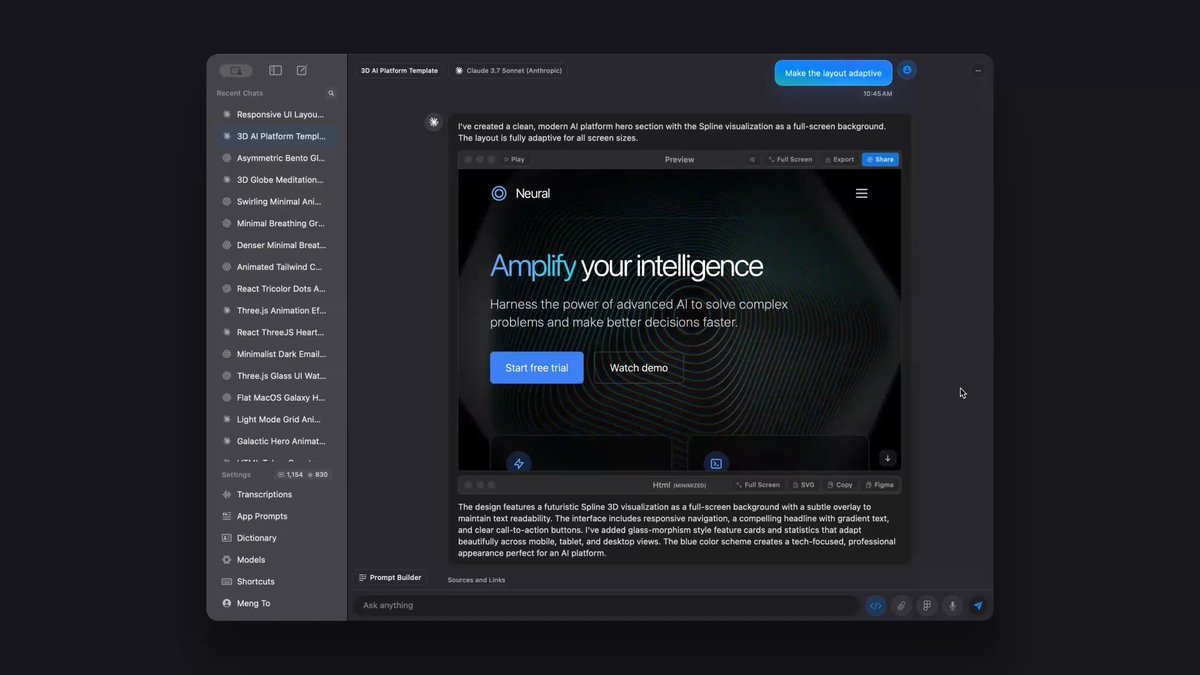
I am doing an experiment to compare various UI framework in terms of how long it takes to *layout* the UI for one frame (average). I have basically the same UI implemented in all the frameworks, and they each have a mode where they are operated automatically in a... show more

0 条评论
暂无评论
原始帖子的评论将显示在这里
相关视频


1:21
Sensitive content
Johnny Sins reveals the truth about average sizes in the adult industry and whether size actually matters to everyday women. Tanmay: “I always wanted to ask you this like, does size matter?” Johnny: “The girls I shoot with and hang out with, yes, because they're in the business, that's what they enjoy. But I would say for the average girl it doesn't matter. I think it's actually probably better for them that the guy has a smaller dick.” Tanmay: “How is it better?” Johnny: “Most girls will complain that you know it's too big and you're hurting them, they're sore. So I think girls that just want to have regular sex, have an orgasm and go on about their day, they don't want or need a guy with a huge dick.” Tanmay: “And is it true that the average penis size in porn is just way bigger than the regular?” Johnny: “I think the average is like 6 inches... most of the guys are probably on the bigger side, like it's like the NBA. A 6-inch guy is like the shortest guy in the NBA.”
Molaxbaby
149,919 次观看 • 1 天前