Loading video...

Video Failed to Load

Go Home

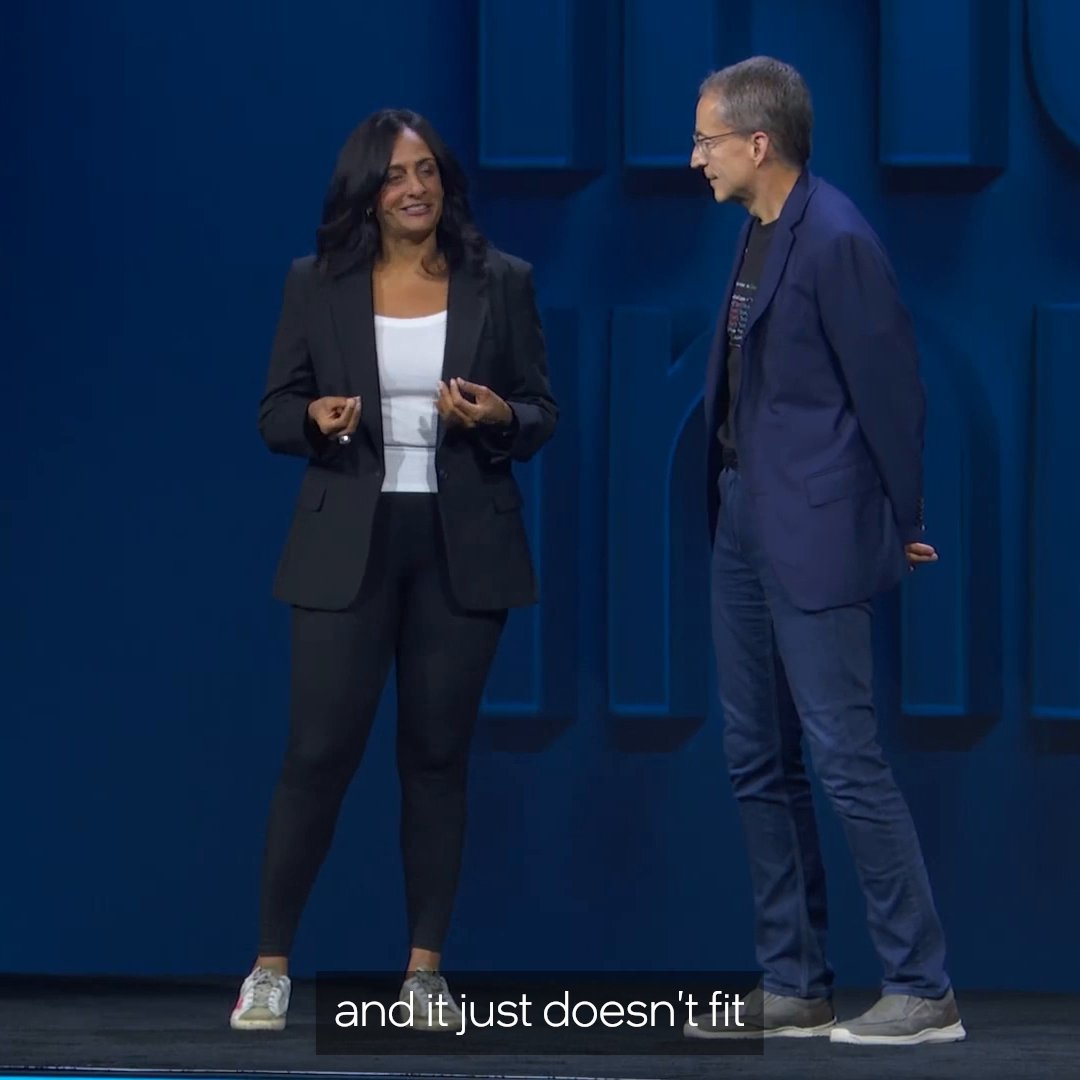
If Apple is using Intel to make its own chips, "I'm thrilled," former Intel CEO Pat Gelsinger says, adding: "Whether that's Apple, Nvidia, Qualcomm, AMD — all of them need to be building at Intel factories for the future. They need to be building more in the US."

74,533 views • 7 months ago •via X (Twitter)

0 Comments

No comments available

Comments from the original post will appear here
Related Videos

Intel just pulled off the greatest corporate comeback since Steve Jobs returned to Apple in 1997. 12 months ago, Intel was dying. Stock at $19. CEO fired. Market cap collapsing. Analysts writing obituaries. But on Friday, it had its BEST day since 1987. Stock hit $82. Surpassed its dot-com peak from the year 2000 that nobody thought would ever be touched again. Up 335% from its 52-week low. And the story of HOW this happened is absolutely genius: In December 2024, Intel's board forced out CEO Pat Gelsinger after a brutal tenure. The stock had cratered and market share was bleeding to AMD and Nvidia. The company that invented the modern microprocessor was dying. 3 months later, they hired Lip-Bu Tan. Former Cadence CEO and Intel board member. A guy who'd spent decades in the semiconductor trenches. His first year was ugly: In January 2026, Intel crashed 17% in a single day after Tan admitted they couldn't meet demand and yields were below targets. Worst day since August 2024. "Multiyear journey" became code for "this company might not make it." Then something shifted. Tan went back to Intel's roots: Killed the bureaucracy, cut the bloat, and focused entirely on engineering. "We need to be data driven, paranoid, and engineering driven." Paranoid. The same word Andy Grove used when he built Intel into a superpower in the 90s. And behind the scenes, Tan pulled off 3 moves that changed everything: Move 1: He got Elon Musk. Tesla announced that TERAFAB, the most ambitious chip factory ever proposed, would use Intel's next-generation 14A manufacturing process. Elon said he couldn't think of a better partner. This is the deal Intel's foundry business needed to survive. Tan had previously warned that if Intel couldn't attract outside manufacturing clients, the entire foundry division would be shut down. Move 2: He got Nvidia. Last September, Jensen Huang invested $5 billion directly into Intel. The CEO of Intel's biggest competitor put billions into the company everyone had left for dead. Intel stock jumped 23% that day alone. Move 3: He got the US government. And this is where the story gets really crazy... The CHIPS Act allocated billions to Intel for domestic chip manufacturing. But when Trump took office, his administration opposed the program's conditions - union requirements, buyback restrictions, and a $100 billion investment commitment from Intel. So instead of giving Intel the grants, Trump's team converted $8.9 billion in CHIPS Act funds into equity. Bought a 9.9% stake at $20.47 per share. They didn't want to give Intel free money, so they simply bought stock instead. After Friday's earnings beat, that stake is worth $36 billion. A $27 billion paper gain. One of the most profitable government investments in American HISTORY. And it was a complete accident. Trump tried to kill the CHIPS Act handout. Instead he accidentally created a return that would make most hedge funds jealous. The earnings that triggered all of this were truly insane: - Revenue of $13.6 billion vs $12.4 billion expected - EPS of $0.29 vs $0.01 expected - They beat by 29x on earnings - Data center and AI revenue up 22% - Demand for CPUs exceeded supply for the first time in years Tan's quote on the call: "A year ago the conversation around Intel was about whether we could survive. Today it's about how quickly we can add manufacturing capacity." 6 consecutive quarters beating guidance. 4th CEO in 7 years. And the one who finally cracked it did it by going back to the basics. No flashy pivots like other companies. Just chips, engineering, and paranoia.

Ricardo

66,658 views • 3 months ago

Intel had its own answer to Nvidia, and it was killed a week after he walked out the door. This is Pat Gelsinger, 34 years at Intel, on the project nobody remembers. At the height of Intel's strength on CPUs, they laughed at what Jensen was building. "When we were at the height of our strength on CPUs at Intel, we sort of scoffed at his machines. Right? Like, oh, it's a graphic machine. There's some gamers who want to use that kind of stuff. It was always the big CPU and those little GPUs." Nvidia did the unglamorous thing instead. They put a real software stack under it and made it slightly better every release, for years, while nobody scored them. "But when they started to build a real software stack with it... this CUDA thing and SIMT as a technology... And it just sort of kept getting a little bit better and a little bit better. And it was a little bit Jobs-like in that way. 'We're just making it better every release and it's becoming more robust.'" Nvidia did not see the payoff coming either. Somebody else found it for them. "And all of a sudden, the crazy Japanese HPC guys said, hey, we could take those graphics cards and maybe start using them in HPC. And that was defining moment where it wasn't just about doing graphics anymore..." Intel was not blind to any of it. Gelsinger had a project to do exactly the same thing with x86. "I had a project at Intel, Larrabee, where we were trying to take the x86 and essentially do the same thing." Then he left the company. "In my first departure from Intel, the project was killed a week after I left. And the world would have been so much different." He returned as CEO more than a decade later, to a company that had spent the interval handing money back to shareholders instead of building. "In the five years, five, six years before I came back, Intel gave $100 billion to shareholders. It hadn't built a new factory in a decade when I got there." Bookmark & watch:

Fireside Alpha

35,196 views • 14 days ago