Loading video...

Video Failed to Load

Go Home

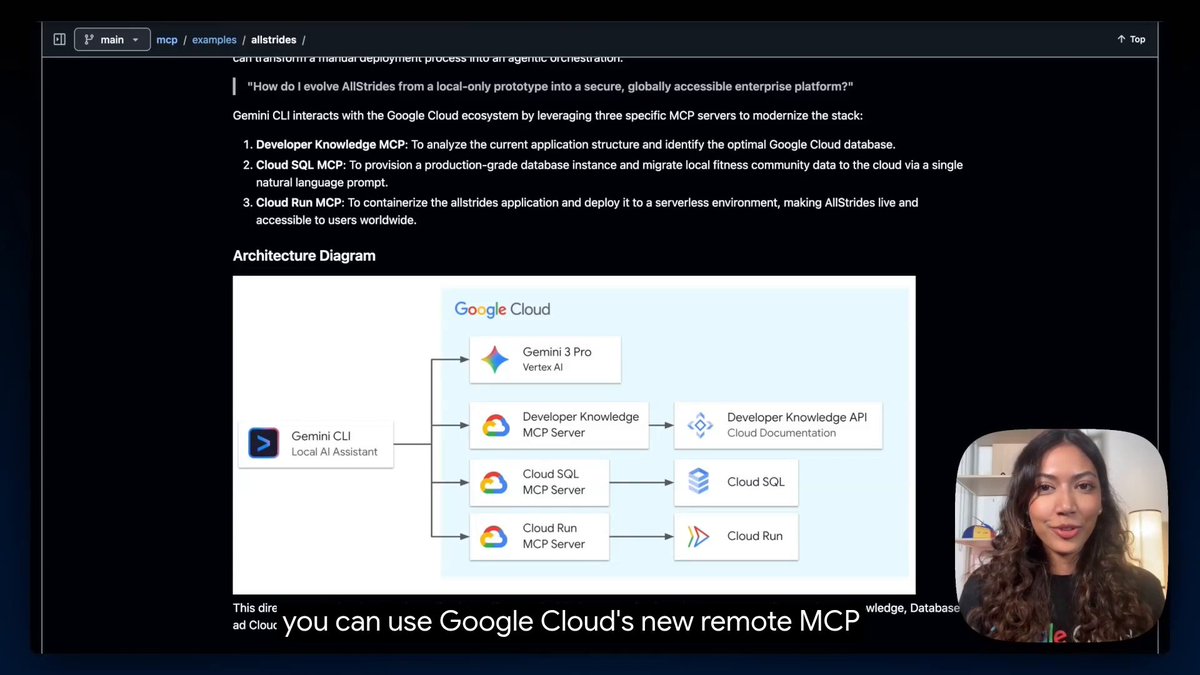
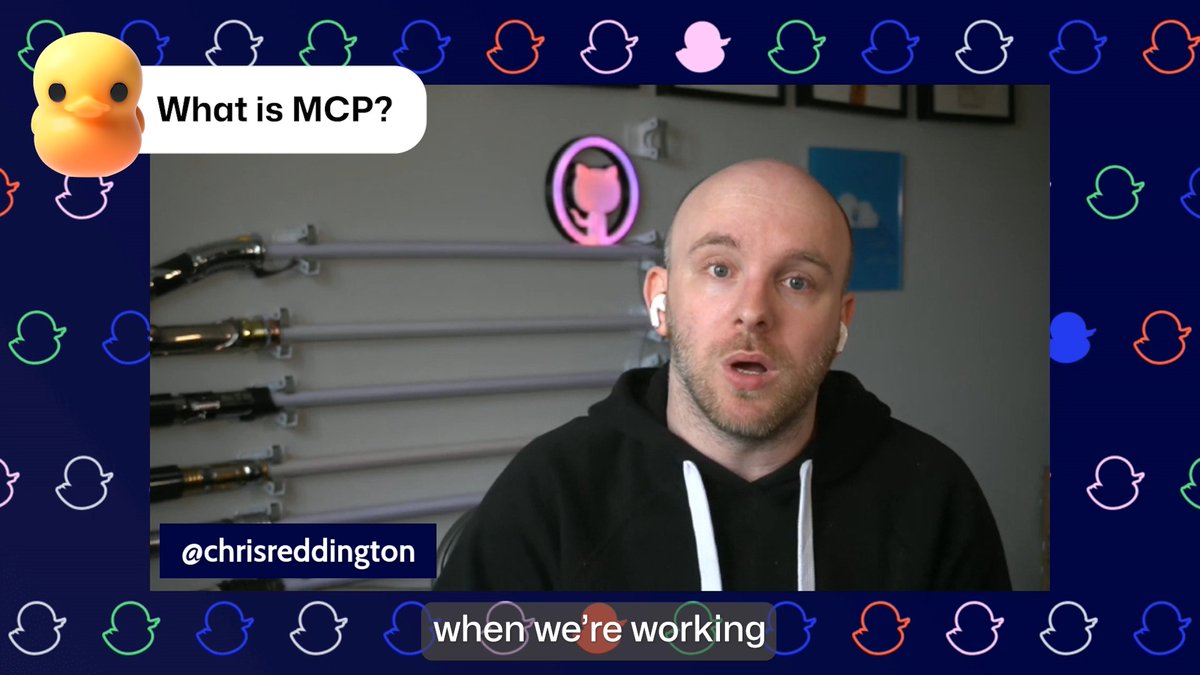
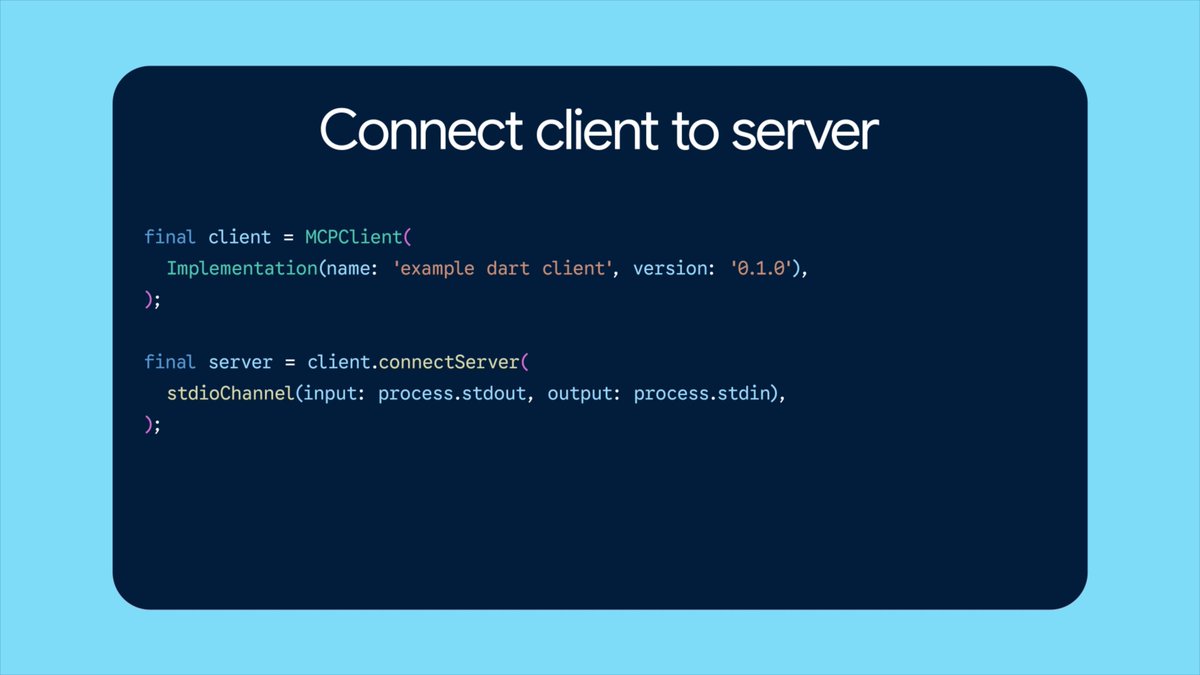
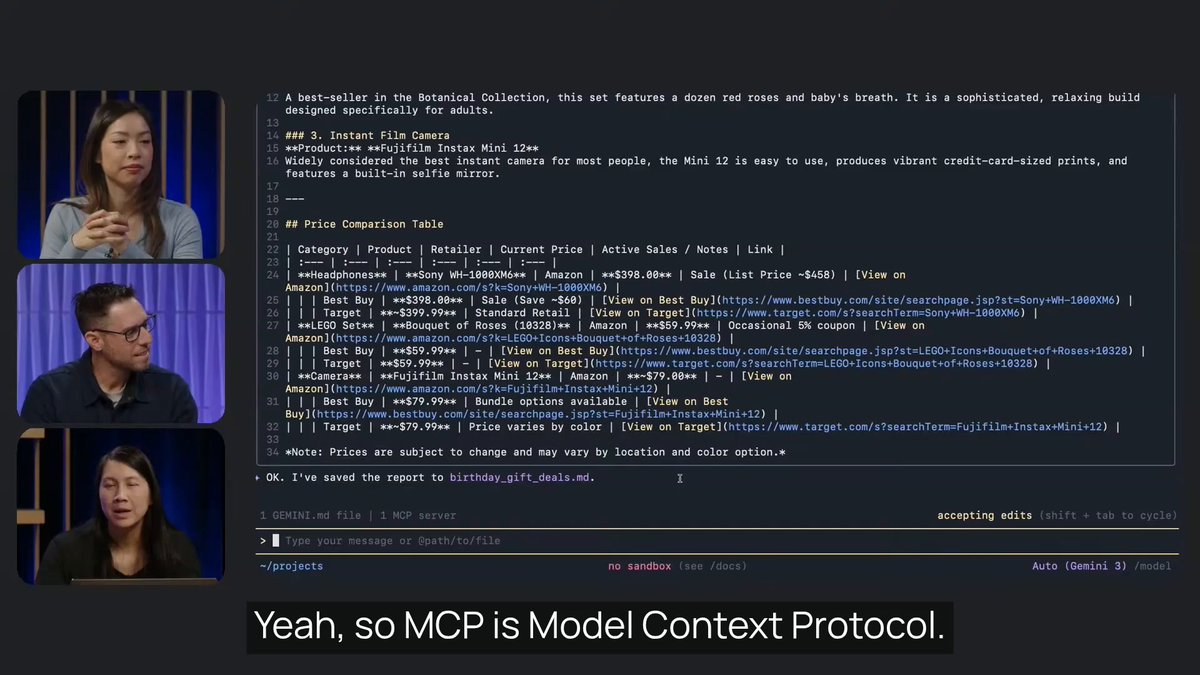
I'm excited to share the latest and greatest about Model Context Protocol (MCP). This is where your users are going and I want you to be ready for them when they get there. Join me June 17th for a hands-on workshop to learn all about MCP!

44,935 views • 1 year ago •via X (Twitter)

11 Comments

Kent C. Dodds ⚡'s profile picture
Kent C. Dodds ⚡1 year ago

Register here:

Kent C. Dodds ⚡'s profile picture
Kent C. Dodds ⚡1 year ago

Sold out! Sign up to be notified when the next cohort is created

Josh Durham🔋 Influencer Marketing's profile picture
Josh Durham🔋 Influencer Marketing1 year ago

Last Quarter for @hexclad my team generated 74 Million Organic impressions, the best part? This is 7 X what we did last year, and it was all through free product. Here's some thought on how we accomplished this. #1 Compounding Impressions Compounding impressions is the 8th wonder of the world. We have been doing influencer outreach for nearly 3 years now. We started in chef creators as the target demo and only expanded outward from there. The same creators who posted 3 years ago are posting now. It's a beautiful thing when you have a great product. #2 Inbound 3 years ago Hexclad didn't have the reputation it does now. As Hexclad's credibility has grown, so has the amount of creators who want to work with them. Our optin rate on outreach is SUPER high, as well as the amount of creators applying on their own. #3 Product Use Cooking is hands down the best category to run influencer marketing. The pans, aprons, hexmills etc are all things that can easily be included in every post for creators posting Recipes. It's not uncommon for the average creator seeded to post 7+ times. This is just a better set than sending another face moisturizer.

This Dot Labs's profile picture
This Dot Labs1 year ago

Really feels like we're in an MCP TAKEOVER!

Kent C. Dodds ⚡'s profile picture
Kent C. Dodds ⚡1 year ago

If the big players to manage to not mess it up for us, then yes I hope so!

Ryan Magoon's profile picture
Ryan Magoon1 year ago

See u there

Kent C. Dodds ⚡'s profile picture
Kent C. Dodds ⚡1 year ago

Sweet!

Joe Attardi's profile picture
Joe Attardi1 year ago

Excited to sign up for this. Are there any prerequisites I should make sure I am familiar with before registering?

Kent C. Dodds ⚡'s profile picture
Kent C. Dodds ⚡1 year ago

Good question! I should add them to the event details. When you sign up you'll be emailed with details of things to do and research to best prepare

Wojciech Paczuła's profile picture
Wojciech Paczuła1 year ago

I unfortunately won't be able to join the workshop live 😭 Do you plan to share it in any form later?

Kent C. Dodds ⚡'s profile picture
Kent C. Dodds ⚡1 year ago

I'll probably run it again. Subscribe to be notified

Related Videos

New course: MCP: Build Rich-Context AI Apps with Anthropic. Learn to build AI apps that access tools, data, and prompts using the Model Context Protocol in this short course, created in partnership with Anthropic Anthropic and taught by Elie Schoppik Elie Schoppik, its Head of Technical Education. Connecting AI applications to external systems that bring rich context to LLM-based applications has often meant writing custom integrations for each use case. MCP is an open protocol that standardizes how LLMs access tools, data, and prompts from external sources, and simplifies how you provide context to your LLM-based applications. For example, you can provide context via third-party tools that let your LLM make API calls to search the web, access data from local docs, retrieve code from a GitHub repo, and so on. MCP, developed by Anthropic, is based on a client-server architecture that defines the communication details between an MCP client, hosted inside the AI application, and an MCP server that exposes tools, resources, and prompt templates. The server can be a subprocess launched by the client that runs locally or an independent process running remotely. In this hands-on course, you'll learn the core architecture behind MCP. You’ll create an MCP-compatible chatbot, build and deploy an MCP server, and connect the chatbot to your MCP server and other open-source servers. Here’s what you’ll do: - Understand why MCP makes AI development less fragmented and standardizes connections between AI applications and external data sources - Learn the core components of the client-server architecture of MCP and the underlying communication mechanism - Build a chatbot with custom tools for searching academic papers, and transform it into an MCP-compatible application - Build a local MCP server that exposes tools, resources, and prompt templates using FastMCP, and test it using MCP Inspector - Create an MCP client inside your chatbot to dynamically connect to your server - Connect your chatbot to reference servers built by Anthropic’s MCP team, such as filesystem, which implements filesystem operations, and fetch, which extracts contents from the web as markdown - Configure Claude Desktop to connect to your server and others, and explore how it abstracts away the low-level logic of MCP clients - Deploy your MCP server remotely and test it with the Inspector or other MCP-compatible applications - Learn about the roadmap for future MCP development, such as multi-agent architecture, MCP registry API, server discovery, authorization, and authentication MCP is an exciting and important technology that lets you build rich-context AI applications that connect to a growing ecosystem of MCP servers, with minimal integration work. Please sign up here!

Andrew Ng

142,010 views • 1 year ago