Loading video...

Video Failed to Load

Go Home

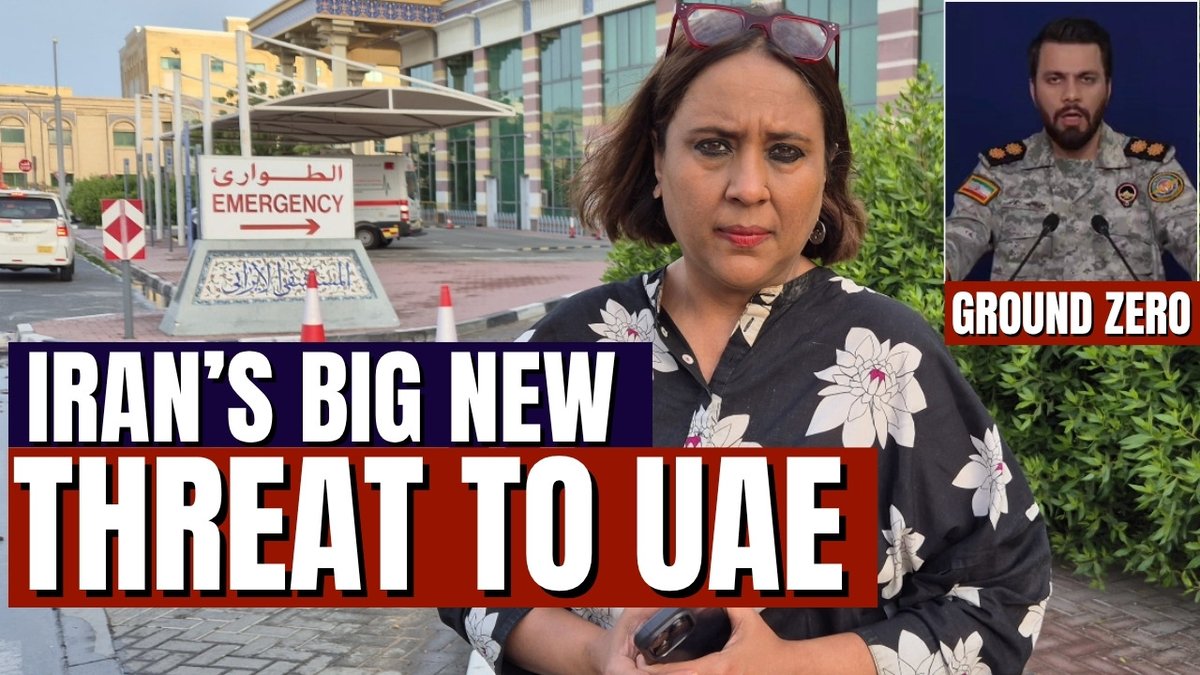
INTERVIEW: The UAE was dragged into a war it never wanted, and despite being a close trading partner with Iran, it was attacked more than any other nation The outcome? Pulling out of OPEC, closer cooperation with the U.S. and Israel, and a visit by the Crown Prince to...

544,329 views • 2 months ago •via X (Twitter)

0 Comments

No comments available

Comments from the original post will appear here

Related Videos

🚨BREAKING: UAE🇦🇪 EXITS OPEC AND OPEC+, OPEC LOSES ITS THIRD LARGEST PRODUCER The UAE announced its withdrawal from OPEC after more than five decades, effective on the 1st of May. The UAE is a founding member, having joined in 1967, four years before the UAE itself was established. The UAE said the move reflects its national interest and its role in meeting market needs at a time when the Strait of Hormuz crisis has disrupted energy flows and kept oil prices elevated, and forecasted higher energy demand in the future. The UAE has ambitions to increase production from 3.4 million barrels per day to five million by 2027, which OPEC quotas would have constrained. The UAE’s decision to leave OPEC and OPEC+ is a fundamental reordering of the global energy market, and a further shift towards multipolarity, with the UAE positioning itself to be at the forefront of meeting rising global energy demand. OPEC has long declined in its geopolitical power, and the UAE has decided to forge its own path with having no limits on increasing production, as the world reels from the energy shock unleashed by the Trump-Netanyahu war of aggression against Iran. The UAE is not the first in the GCC to leave OPEC, with Qatar leaving in 2019. The propaganda headlines you’ll be seeing of a UAE-Saudi conflict over the decision will likely amount to hot air. There will inevitably be short-term energy price instability, but countries around the world will rush to secure deals with the UAE to offset a major economic crisis caused by the war on Iran and the closure of the Strait of Hormuz. The international institutions of old are increasingly irrelevant, and OPEC is widely seen as the organisation of yesterday. The future will likely involve energy institutions and mechanisms within BRICS, to facilitate stable energy prices in a multipolar world. The UAE’s exit from OPEC is just one step closer in that direction. With China and the global south set to drive economic growth this century, the UAE is now well-positioned to benefit from multipolarity, free of production caps, as long-term energy demand will continue climbing, as the nations of the global south develop their economies and increase living standards for their people. My live segment on RT

Afshin Rattansi

18,021 views • 2 months ago

🚨🇦🇪🇮🇷 Why did Iran attack the UAE the most? Did Abu Dhabi retaliate? Are they advocating for a continuation of war? Did Netanyahu visit Dubai? I spoke to Fmr Director General of Dubai's Department of Finance Nasser Al Shaikh and asked him the tough questions. 🇮🇱 On Israel: “Some of the things Israel has done, especially in Gaza, has not made our life easier, maintaining those relations. But we’ll have a relationship even with the devil… when you have diplomatic relations, you do not have to agree with every single thing that country does.” 🇮🇱 On Netanyahu’s “secret visit:” “I think it did not happen.” 🇺🇸 On resuming the war: ”We do not want to see the war. But it's not the UAE’s decision. It's not the Saudis’ decision. It's not Pakistan's decision. It's a decision in the White House.” 🇮🇷 On Hormuz: “No country should control the Strait of Hormuz. Any form of trying to control it and install a toll system or whatever, that's I think modern-day piracy.” Nasser Al Shaikh ناصر الشيخ 1:17 The UAE never wanted the war and is now trapped between defending itself and avoiding escalation with Iran. 4:05 The UAE absorbed more than 3,000 missiles and drones, more than the rest of the GCC combined. 5:05 The UAE was suddenly fighting its first real war while facing over 350 incoming projectiles per day. 7:41 Gulf states always preferred containing Iran over collapsing the regime. 11:52 Any Iranian attempt to charge tolls in the Strait of Hormuz is modern-day piracy. 15:16 Whatever option guarantees the Strait of Hormuz stays open will be supported. 16:10 The Hormuz crisis is no longer just about oil, it’s starting to disrupt global trade and supply chains everywhere. 17:53 Allowing Iran to charge shipping fees would create a dangerous global precedent and violate international law. 24:27 If the Gulf had real influence over Trump, this war would never have happened. 26:40 “We’ll have relations even with the devil.” 29:45 Iran saw the UAE as the fastest way to shock the global economy. 31:27 Iran’s real objective was burning the UAE. 33:10 Emirati diplomacy quietly damaged Iran internationally more than people realize. 42:01 If the UAE struck Iran, it was probably a warning shot, not the start of a wider war.

Mario Nawfal

589,976 views • 1 month ago