Loading video...

Video Failed to Load

Go Home

🚨Iran develops cancer treatment with no foreign equivalent Oncopore G2121 uses precisely controlled electric pulses to dramatically increase chemotherapy absorption by cancer cells, while minimizing damage to healthy tissue 🔸 Iranian engineers developed more than 17 proprietary probes, including designs for vaginal, oral, liver and pancreatic tumors 🔸 More...

11,256 views • 3 months ago •via X (Twitter)

0 Comments

No comments available

Comments from the original post will appear here

Related Videos

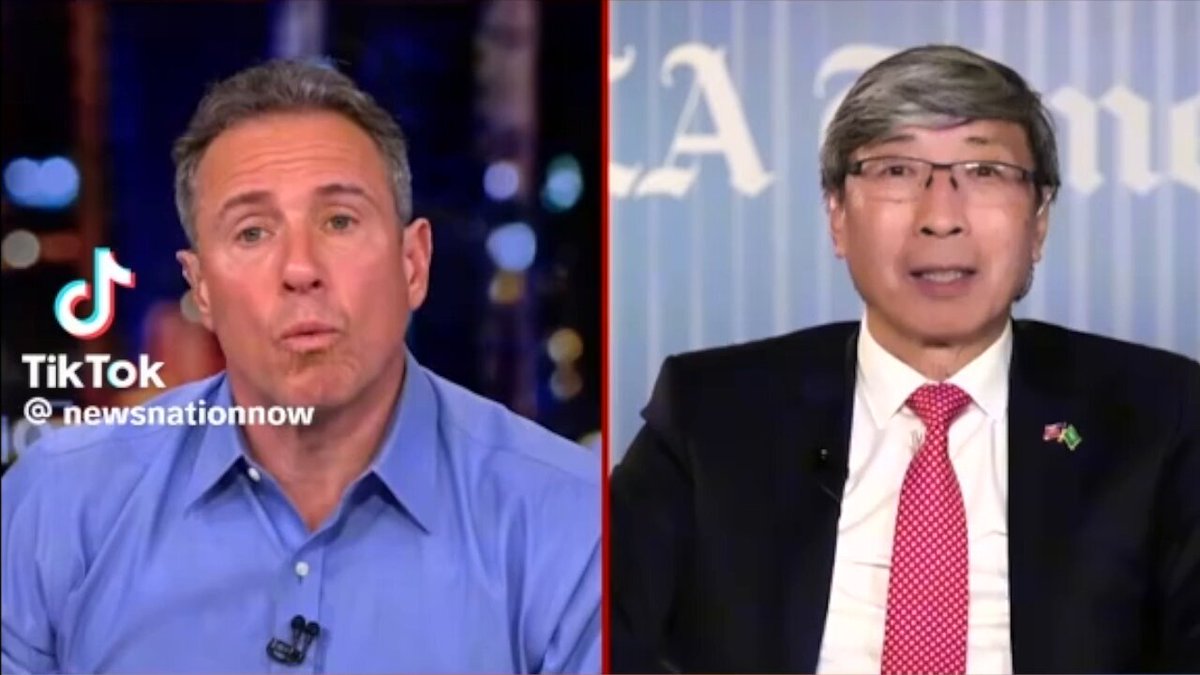
Medical pioneer Dr. Patrick Soon-Shiong unveils a paradigm-shifting approach to cancer treatment that could save millions of lives. In an interview, he revealed we already have the key: protecting the immune system FIRST. The current standard of care—chemotherapy and radiation—often destroys a patient’s lymphocytes (NK & T cells), leading to a condition called lymphopenia. For decades, over 300 studies have shown that lymphopenia predicts early mortality, not just in cancer, but in sepsis and trauma. We treat anemia, but we’ve NEVER had an approved treatment for this critical immune deficiency. Until now. Dr. Soon-Shiong’s “Bio-Shield” is that breakthrough. It’s already approved, and the results are profound: Prostate cancer patients treated with the Bio-Shield before radiation achieved complete remission while their lymphocytes were protected. An ovarian cancer patient received the full, brutal course of chemo after the Bio-Shield. Her cancer disappeared, and she proceeded to surgery with a protected immune system. The vision is simple, yet revolutionary: Mandate that ANY patient undergoing radiation or chemotherapy first receives the Bio-Shield to protect their immune system. The treatment isn’t just attacking the cancer; it’s fortifying the body’s own innate ability to fight and survive. The call to action is clear. We don't need to wait for new regulatory hurdles. We need immediate education for doctors and patients across the nation. We have the power to turn the tide. This is the future of medicine: treating the patient's immune system as the most valuable asset in the fight for their life.

Camus

38,936 views • 1 year ago

A Physicians Survey Revealed 88.3% Of Doctors Would Refuse Chemotherapy For Their Own Cancer Treatment. The 5 Year Chemo Survival Rate Is Only 2.1%, Yet Most Oncologists Only Offer 'Standard Of Care' To Patients. Dr Seyfried Would Choose The Protocol With Ivermectin & Fasting. American Society of Clinical Oncology (ASCO) Board of Directors has data that oncologists THEMSELVES would not take chemotherapy for cancer even though they advise chemo & radiation as the only 'approved' treatment to their patients. MacKillop & colleagues found that a survey of Canadian doctors who treat lung cancer, only 16% would want chemotherapy for their own treatment if they had a cancer diagnosis. Lind & colleagues interviewed teaching oncologists in Boston & found that only 27% would take chemo for lung cancer. "The contribution of cytotoxic chemotherapy to 5-year survival in adult malignancies" cites...The overall contribution of curative & adjuvant cytotoxic chemotherapy to 5-year survival in adults is only 2.3% in Australia & 2.1% in the USA. Cancer treatment is a multi-billion dollar industry. Most oncologists believe that cancer is genetic, but cancer is a metabolic disease. Doctors don’t study nutrition or metabolic therapy & don't even know that chemotherapy historically was a 'weapon of war' mustard gas. Banned from use in war because it is cytotoxic & too inhumane, even against war enemies. The system profits more from lifelong chemo & radiation than natural intervention. Chemotherapy is not the answer to heal the body of cancer. GKI Glucose Ketone Index & Cancer Eradication Based On Otto Warburg's Groundbreaking Research: Cancer cells are metabolically inflexible & cannot use ketone bodies for energy when glucose is limited, unlike healthy cells. A low GKI is achieved by restricting carbohydrates, which lowers blood glucose & increases ketone production. This starves cancer cells of glucose while providing normal cells with an alternative energy source. Research shows a low glucose environment promotes our Natural Killer (NK) cells & T-cells to become even stronger which are crucial for killing cancer. Chemotherapy & radiation actually kills our NK Natural Killer Cells allowing cancer to return even stronger than before conventional treatment. 15 expert physicians & oncologists have published...'Targeting the Mitochondrial-Stem Cell Connection in Cancer Treatment: A Hybrid Orthomolecular Protocol.' This is the step by step protocol of fasting, high fat ketogenic diet (eliminating glucose) & using ivermectin, fenbendazole & supportive nutrients with lifestyle changes for cancer treatment remission. This protocol, along with cited research is linked in the replies. Have you used non traditional methods to reverse cancer? Is your cancer in remission thanks to fasting, ivermectin or other alternative protocols? Share and repost this message to increase awareness. It is essential for the public to be informed. Follow my page for further motivational and educational content.

Joe Tippens

47,858 views • 7 months ago

A Physicians Survey Revealed 88.3% Of Doctors Would Refuse Chemotherapy For Their Own Cancer Treatment. The 5 Year Chemo Survival Rate Is Only 2.1%, Yet Most Oncologists Only Offer 'Standard Of Care' To Patients. Dr Seyfried Would Choose The Protocol With Ivermectin & Fasting. American Society of Clinical Oncology (ASCO) Board of Directors has data that oncologists THEMSELVES would not take chemotherapy for cancer even though they advise chemo & radiation as the only 'approved' treatment to their patients. MacKillop & colleagues found that a survey of Canadian doctors who treat lung cancer, only 16% would want chemotherapy for their own treatment if they had a cancer diagnosis. Lind & colleagues interviewed teaching oncologists in Boston & found that only 27% would take chemo for lung cancer. "The contribution of cytotoxic chemotherapy to 5-year survival in adult malignancies" cites...The overall contribution of curative & adjuvant cytotoxic chemotherapy to 5-year survival in adults is only 2.3% in Australia & 2.1% in the USA. Cancer treatment is a multi-billion dollar industry. Most oncologists believe that cancer is genetic, but cancer is a metabolic disease. Doctors don’t study nutrition or metabolic therapy & don't even know that chemotherapy historically was a 'weapon of war' mustard gas. Banned from use in war because it is cytotoxic & too inhumane, even against war enemies. The system profits more from lifelong chemo & radiation than natural intervention. Chemotherapy is not the answer to heal the body of cancer. GKI Glucose Ketone Index & Cancer Eradication Based On Otto Warburg's Groundbreaking Research: Cancer cells are metabolically inflexible & cannot use ketone bodies for energy when glucose is limited, unlike healthy cells. A low GKI is achieved by restricting carbohydrates, which lowers blood glucose & increases ketone production. This starves cancer cells of glucose while providing normal cells with an alternative energy source. Research shows a low glucose environment promotes our Natural Killer (NK) cells & T-cells to become even stronger which are crucial for killing cancer. Chemotherapy & radiation actually kills our NK Natural Killer Cells allowing cancer to return even stronger than before conventional treatment. 15 expert physicians & oncologists have published...'Targeting the Mitochondrial-Stem Cell Connection in Cancer Treatment: A Hybrid Orthomolecular Protocol.' This is the step by step protocol of fasting, high fat ketogenic diet (eliminating glucose) & using ivermectin, fenbendazole & supportive nutrients with lifestyle changes for cancer treatment remission. This protocol, along with cited research is linked in the replies. Have you used non traditional methods to reverse cancer? Is your cancer in remission thanks to fasting, ivermectin or other alternative protocols?

Valerie Anne Smith

262,935 views • 10 months ago

74% Of Doctors Would Refuse Chemotherapy For Their Own Cancer Treatment & Would Instead Use Alternative Real Cancer Cures For Themselves. Doctors Cite Chemotherapy As Unacceptably Cytotoxic & The 5 Year Survival Rate Is Only 2.1% Yet, Doctors Push Chemo Onto Their Own Patients. In the MacKillop et al study, only 17% of medical oncologists said that they would take chemotherapy for painful bone metastases & spine cancer. Even with modern chemotherapy, less than 30% of medical oncologists & oncology nurses would take chemotherapy. Cited in "The contribution of cytotoxic chemotherapy to 5-year survival in adult malignancies"... The overall contribution of curative & adjuvant cytotoxic chemotherapy to 5-year survival in adults is only 2.3% in Australia & 2.1% in the USA. Chemotherapy is incredibly toxic & must be handled in the clinical setting as a biohazard. Medical professionals who handle its contents in a hospital setting must wear protective gear for personal protection from the poisonous features of chemotherapy liquids. Chemotherapy came from one of the cruelest weapons ever invented as it was a weapon of war called Mustard Gas. Mustard Gas was banned in 1925 for being used as a weapon of war, citing it's deadly harm & inhumane use against war enemies. After that, researchers found it destroyed bone marrow & lymphatic tissue & decided to market it as a drug for profit. The 1st chemotherapy drug was Mechlorethamine Hydrochloride (HN2), which is a Nitrogen Mustard. Currently, 5 Nitrogen Mustards are used in Chemotherapy including Mechlorethamine, Cyclophosphamide, Ifosfamide, Melphalan & Chlorambucil. Chemotherapy is not the answer for healing the body from cancer. Scientists Have Known Since the 1930s That Fasting Starves Cancer Cells… So Why Is It Ignored? 🤔 Dr. Otto Warburg (Nobel Prize winner) discovered that cancer cells thrive on glucose (sugar). He found that cancer cells have a damaged metabolism, meaning they rely almost entirely on fermenting sugar for energy—unlike healthy cells, which can switch to fat or ketones. ✅ Fasting drops blood sugar & insulin levels – Starving cancer of its preferred fuel. ✅ Increases ketones – Cancer cells cannot use ketones for energy & thus starve & die off. ✅ Triggers autophagy – The body removes damaged cells, including pre-cancerous ones. ✅ Boosts immune function – Fasting increases white blood cell regeneration, helping fight disease. 🚨 So why don’t doctors recommend fasting? Cancer treatment is a multi-billion dollar industry. Most oncologists don’t study nutrition or metabolic therapy. The system profits more from lifelong chemo & radiation patients than a free, natural intervention. Meanwhile, studies show fasting + a ketogenic diet slows tumor growth, shrinks tumors & makes complete remission possible. But instead of researching this further, mainstream medicine pushes drugs & expensive treatments. Dr William Makis & Dr Paul Marik, along with many leading physicians & oncologists have developed a groundbreaking protocol entitled: 'Targeting the Mitochondrial-Stem Cell Connection in Cancer Treatment: A Hybrid Orthomolecular Protocol' which involves a thorough step by step protocol of fasting & eliminating all glucose from the diet, while using ivermectin, fenbendazole & supportive nutrients & lifestyle changes for cancer treatment into remission. ⏩ ⏪ 👇Oncologists Would Not Choose Chemotherapy👇 👇5 Year Survival On Cancer Malignancies Chemo👇 👇Dr Thomas Seyfried: Cancer Metabolic Disease👇 Speaker: Dr Eric Berg

Valerie Anne Smith

286,806 views • 1 year ago

7 Compelling Reasons Why Ivermectin Is a ‘Powerful Drug’ for Fighting Cancer Ivermectin is often recognized–2nd to penicillin–for having the greatest impact on human health. Its discovery even won the Nobel Prize. It is safer than Tylenol and brought river blindness to the brink of extinction, but the propagandists told you it was a “dangerous horse dewormer.” Well, it now turns out that ivermectin is not only an effective treatment for COVID-19, but it could also be a “powerful drug” for fighting cancer. Here are 7 reasons why. 1. Multiple Anti-Cancer Effects: Ivermectin impacts at least nine well-defined cancer targets, according to Dr. Alfonso Dueñas-González, an oncologist and senior researcher. He states, "There are at least nine perfectly defined cancer targets affected by ivermectin." 2. Enhances Effects of Chemotherapy and Radiation: Ivermectin not only targets tumor stem cells and promotes cancer cell death but also "enhances the effects of chemo and radiation therapy." This broad impact on the immune system increases the offense against cancers, making it a versatile adjunct to conventional treatments. 3. Inhibits Cancer Cell Cycles: The drug prevents the formation of new cancer cells by inhibiting cancer cell cycles and inducing mitochondrial stress, which leads to the killing of cancer cells. This mechanism is crucial for stopping the proliferation of cancerous cells. 4. Prevents Formation of New Blood Vessels Near Cancer Cells: Ivermectin prevents cancer survival by inhibiting the formation of new blood vessels that transport energy and fuel to cancers. This action starves the cancer cells, hindering their growth and spread. 5. Synergizes with Immunotherapy: Dr. Peter P. Lee, chair of immuno-oncology at the City of Hope, found that ivermectin could synergize with immune checkpoint inhibitor anti-PD1, enhancing the body's immune response to fight cancer. "What we’re learning is that ivermectin is going to be a very powerful drug in the context of really carefully developed immunotherapy combinations," he said. 6. Targets Cancer Stem Cells: Ivermectin preferentially targets cancer stem cells, which are a driver of cancer tumors and relapses. By focusing on these cells, ivermectin attacks the root of cancer's resilience and ability to recur. 7. The Curious Case of Rick Alderson: Mr. Alderson, a retired sawmill worker, “was a dead man walking” and given 6 months to live after his terminal colon cancer had metastasized and spread to his liver, where it had formed 25 distinct tumors. After starting ivermectin, Rick Alderson's carcinoembryonic antigen (CEA) levels, which are markers for tumor activity, dropped significantly from 1,498 ng/mL to 13.9 ng/mL in a matter of months. Of the 25 tumors in Mr. Alderson's liver, only three remained after his treatment with ivermectin and chemotherapy, indicating a substantial reduction in tumor burden. Mr. Alderson lived for two more years beyond his initial six-month prognosis, which his wife attributes to the use of ivermectin alongside chemotherapy.

The Vigilant Fox 🦊

532,851 views • 2 years ago

🔻 CANCER TREATMENT IS ENTERING A NEW ERA There’s a cancer treatment where they don’t cut you open. They don’t poison you. They don’t burn you. And it’s FDA approved. They aim sound at the tumor. Actual ultrasound waves that literally shred cancer cells without touching the healthy tissue next to it. Wild. It’s called histotripsy. And the craziest part—patients walk out the same day, asking if anything even happened. No incision. No pain. No downtime. Just a robotic arm focusing sound waves so precisely they create microscopic bubbles inside the tumor. How? The ultrasound pulses create tiny bubble clouds that rapidly expand and collapse, mechanically breaking apart the targeted tissue while sparing nearby healthy structures. The body then gradually clears away the destroyed tissue over time. Histotripsy is currently FDA-authorized for treating certain liver tumors, and researchers are studying its use for additional cancers. It isn’t suitable for every patient, so treatment depends on the type, size, and location of the tumor. Healthy tissue just millimeters away is left untouched. Pretty nuts. Recent data shows around 90% tumor control at 12 months, with treatment zones shrinking over time. Most people feel little or nothing afterward. Let that sink in. The FDA approved this technology in 2023 after more than 20 years of research at the University of Michigan. Researchers now believe this technology may not only destroy tumors, but also help activate the immune system. Imagine treating cancer without destroying the body in the process. That’s the future many researchers are working toward. CODE: H1776 PHASE 01: BREAK THE GRIP PHASE 02: END HEALTH SLAVERY PHASE 03: RESTORE AMERICA’S HEALTH MISSION ACTIVE. Share this in honor of everyone who lost their battle with cancer. ⟁

Mr. Pool

28,929 views • 29 days ago

Dr. Patrick Soon-Shiong challenges the core of cancer treatment: Are we fighting cancer incorrectly? In a compelling interview, he explains how lymphocytes—Natural Killer cells and T-cells—are the body’s critical defenders, essential for defeating cancer, infections, and sepsis. Yet, modern medicine has been undermining them. Lymphocytes are the body’s elite immune cells. Natural Killer cells and T-cells are uniquely equipped to destroy cancer cells and are vital for combating life-threatening infections and sepsis. Dr. Soon-Shiong describes them as the foundation for long life and survival. But there’s a problem. Conventional cancer treatments—chemotherapy, radiation, and steroids—destroy these lymphocytes, causing lymphopenia, a depletion akin to anemia but for the immune system. For decades, medicine has inadvertently targeted the very cells needed to win the war against cancer. A breakthrough molecule, IL-15, changes everything. This protein, produced naturally in the body, acts as a master switch to activate and proliferate lymphocytes, enabling them to eradicate cancer and infections. For the first time, medicine can harness this mechanism through BioShield. BioShield leverages IL-15 to empower lymphocytes, marking a revolutionary shift in treatment. Unlike chemotherapy, which Dr. Soon-Shiong likens to a nuclear bomb that devastates the body, IL-15 strengthens the immune system to fight smarter. Why have traditional treatments fallen short? Chemotherapy and radiation may shrink tumors, achieving what’s called a response, but at a steep cost. They deplete lymphocytes, weaken immunity, and allow resistant cancer cells to hide and later return as metastases. Dr. Soon-Shiong raises a provocative question: Have treatments induced incurability? The focus on response rates and progression-free survival, standard metrics for drug approval, misses the true goal: overall survival with high quality of life. Current therapies, often dosed at the maximum tolerated level, prioritize short-term wins over long-term health. Dr. Soon-Shiong critiques this approach, suggesting that medicine has been winning battles but losing wars. By destroying lymphocytes, treatments may shrink tumors temporarily but leave patients vulnerable to relapse. The regulatory system, he argues, has incentivized flawed endpoints. BioShield’s IL-15 therapy offers hope, activating the body’s natural defenses without obliterating them. This could redefine cancer care, prioritizing immune strength and long-term survival over transient tumor shrinkage. Dr. Soon-Shiong’s vision challenges 50 years of oncology dogma. Is it possible that medicine has misunderstood cancer treatment for decades? Dr. Soon-Shiong’s insights demand reflection. By protecting and activating lymphocytes, we might unlock the body’s true potential to heal.

Camus

48,343 views • 1 year ago

The Dangerous Cult of 'Fasting' Influencers. Fasting has its anecdotal benefits, yes. But it is overrated. And water fasting is highly overrated. But this video featuring a Cardiologist is amusingly nonsense. There is no study from Boston (from a "University?" - how vague!) that says 7-days water fasting reduces risk of cancer (what cancer?) by 70%. And there is no proof that fasting kills cancer cells in humans. Here is what fasting does to cancers in humans. Nothing. Fasting is now become a sort of religion-like cult for wellness influencers to rake in views and engagement. From a scientific standpoint, there are no realistically good human studies to prove anything from fasting that benefits cancers. I know, I know, "autophagy" and all that. Autophagy: Autophagy is the natural, conserved degradation of the cell that removes unnecessary or dysfunctional components. Yes, its a legit term and all. But in the context of cancer reduction and fasting in humans, it sounds like "immunity boosting," another wellness fraud term. The effects of fasting on cancer cells are all based on MOUSE studies, and none explicitly translated to humans. See this paper: everything is based on cells and tissues and small animal experiments: "While research on the subject is tantalizing, there’s little clinical evidence involving humans to substantiate the claims. Studies on the potential impacts on cancer treatment from various forms of fasting or calorie restriction, including the possibility that they reduce side effects, have been limited." "Fasting may not be appropriate for malnourished individuals or those with cancer cachexia, which results in a continuing loss of skeletal muscle mass, or for people with chronic diseases. Those with diabetes need to be very careful, because of the risk of hypoglycemia." "Based on our systematic review and meta-analysis, there is currently no evidence supporting the superiority of therapeutic fasting over non-fasting in preventing chemotherapy toxicity." - see here: Even intermittent fasting (IF) is overrated in cancer. "IF may be considered in adults seeking cancer-prevention benefits through means of weight management, butwhether IF itself affects cancer-related metabolic and molecular pathways remains unanswered. See here: Also this: "Fasting for short periods does not have any beneficial effect on the quality of life of cancer patients during treatment. Evidence on fasting regimes reducing side effects and toxicities of chemotherapy is missing." See here: The whole aspect of "fasting reducing cancer incidence" in the real world is just due to weight loss. Obesity is associated with at least 13 types of cancers and reversing obesity reduces risk of cancer - nothing to do with fasting killing off cancers cells in the body. And one can lose weight even without fasting. See here: Everything from prevention of adverse events of cancer, to reduction in side effects from chemotherapy, to slowing cancer growth by reducing glucose levels, to promoting cell regeneration by affecting autophagy is all LAB BASED MOLECULAR LEVEL HYPOTHESIS that has not been proven conclusively in humans. See here: Cancer patients must not starve. They must remain hydrated and they must eat a well balanced diet because cancer condition is highly demanding. And dont water fast for 7 days. Easy for people to make reels on it, but in real life, it may prove disastrous. Water fast does make you lose weight (because of starvation) but it is not at all a healthy way to lose weight. Stop with this fasting and cancer madness already.

TheLiverDoc™

269,683 views • 2 years ago

Ivermectin and Mebendazole in Cancer Patients The Clinical Benefit Ratio Complete Response + Partial Response + Stable Disease / Total Patients (CBR) was 84.4% Overall, it is estimated that annual costs of standard chemotherapies average $111,000 per year. Background: Drug repurposing offers a pathway to identify accessible, low-toxicity cancer therapies. Ivermectin and mebendazole have demonstrated multi-target anti-cancer activity. This paper evaluates real-world patient-reported outcomes, safety, and adherence in a cohort of cancer patients utilizing this combination protocol. Methods: Prospective observational cohort of 197 cancer patients, who were prescribed ivermectin and mebendazole off-label through telemedicine (platform by licensed U.S. healthcare providers) Participants received compounded oral capsules containing 25 mg ivermectin and 250 mg mebendazole. Data were collected via voluntary, standardized digital surveys at baseline and at approximately 6-month follow-up. Of the initial cohort (N = 197), baseline characteristics, including cancer type and disease status, were assessed. A total of 122 participants completed the follow-up survey (61.9% response rate) Results: Mean age of 67 years, (52.3% male, 47.7% female). Cancer types included Prostate 27.9% Breast 18.3% Lung 8.6% Colon 5.1% Urologic 4.6% Pancreatic 3.0% Liver 2.5% Gynaecologic 2.5% Hematologic 2.5% Median duration since initial diagnosis, 1.2 years 37.1% experiencing active disease progression. 6-month follow-up Medication adherence, 86.9% Full initial 90-capsule ivermectin-mebendazole prescription. The Clinical Benefit Ratio Complete Response + Partial Response + Stable Disease / Total Patients (CBR) was 84.4% Notably, 48.4% of cohort, strongest positive outcomes: Regression, 15.6% No current evidence of disease (NED), 32.8% Disease stability, 36.1% Disease progression, 15.6% No significant dose-response association was observed for cancer outcomes (p = 0.91), without a clear dose-response gradient for efficacy. Side effects Mild side effects (primarily gastrointestinal), 25.4% (93.6% of those affected continued treatment through minor dose adjustments) Concurrent conventional therapies Chemotherapy, 27.9% Radiation therapy, 21.3% Surgery, 19.7% Adjunctive interventions such as supplement use, 49.2% Dietary modification, 37.7% Conclusions: In this prospective real-world cohort, the combination of ivermectin and mebendazole was associated with high rates of self-reported clinical benefit, with nearly half of participants reporting tumours regression or no current evidence of disease across a heterogeneous population of cancer patients. These findings provide a compelling clinical signal that these well-tolerated, repurposed agents may offer therapeutic benefit. However, observational design, reliance on self-reported outcomes, and potential for selection bias and uncontrolled confounding, these findings should be interpreted as hypothesis-generating. Urgent prospective, randomized, placebo-controlled clinical trials Validate these observations and further define optimal dosing strategies. Mechanism (pharmacodynamics) Ivermectin and mebendazole are antiparasitic agents, demonstrated highly promising anti-cancer activity. Ivermectin Shown to exert over 14 distinct anti-cancer mechanisms across more than 12 cancer types, inhibiting cancer cell proliferation, metastasis, angiogenesis, mitochondrial function. Has demonstrated excellent safety in cancer patients (including those actively undergoing chemotherapy) Ivermectin and mebendazole selectively target cancer stem cells Mebendazole Microtubule disruption, leading to effective cell cycle arrest Potent induction of apoptosis Significant inhibition of tumour growth Inhibition of angiogenesis Disruption of glucose uptake When used together Target non-overlapping pathways, resulting in synergistic tumour regression, cancer stem cell depletion, and reversal of multidrug resistance in multiple in vitro and in vivo models Biodistribution, ivermectin and mebendazole document excellent tissue penetration

Dr. Zakaria MD

10,766 views • 3 months ago

Believe it or not... There’s a cancer treatment where they don’t cut you open. They don’t poison you. They don’t burn you. And it’s FDA approved. They aim sound at the tumor. Actual ultrasound waves that literally shred cancer cells without touching the healthy tissue next to it. Wild. It’s called histotripsy. And the craziest part—patients walk out the same day, asking if anything even happened. No incision. No pain. No downtime. Just a robotic arm focusing sound waves so precisely they create microscopic bubbles inside the tumor. How? The ultrasound pulses create tiny bubble clouds that rapidly expand and collapse, mechanically breaking apart the targeted tissue while sparing nearby healthy structures. The body then gradually clears away the destroyed tissue over time. Histotripsy is currently FDA-authorized for treating certain liver tumors, and researchers are studying its use for additional cancers. It isn’t suitable for every patient, so treatment depends on the type, size, and location of the tumor. Healthy tissue just millimeters away is left untouched. Pretty nuts. Recent data shows around 90% tumor control at 12 months, with treatment zones shrinking over time. Most people feel little or nothing afterward. Let that sink in. The FDA approved this technology in 2023 after more than 20 years of research at the University of Michigan. Researchers now believe this technology may not only destroy tumors, but also help activate the immune system. Imagine treating cancer without destroying the body in the process. That’s the future many researchers are working toward.

Mr. Pool

145,643 views • 29 days ago

🚨 SHE WAS SENT TO HOSPICE WITH CANCER EVERYWHERE… THEN HER PET SCAN WENT COMPLETELY NORMAL. An 83 year old woman had already beaten breast cancer once after her original diagnosis in 2009. But by late 2021, the disease had returned in its most aggressive form. Doctors confirmed metastatic breast cancer in the liver through biopsy. Fluid buildup in the abdomen also tested positive for malignant cancer cells. MRI scans showed tumors throughout the spine including T10, T12, L1 through L5, the sacrum, and pelvic bones. PET scans later revealed multiple hypermetabolic lesions in the lungs and destructive bone tumors spreading into the spinal canal. At this stage, most people understand what this means. This is usually considered terminal disease. The patient reportedly declined further chemotherapy and extensive radiation treatment and was instead placed into hospice care. In other words, end of life management. Then something unexpected happened. In November 2021, she reportedly began self-administering 222mg of Fenbendazole daily while also receiving limited supportive treatment for pain management and hormonal suppression. The radiation she later received only targeted two spinal lesions to help relieve unbearable nerve pain, but it would not have affected the cancer already spread throughout the lungs, liver, pelvis, and the rest of the spine. Yet over the next several months, her condition reportedly changed dramatically. Liver enzymes that had become abnormal returned to normal ranges. Her CA 27.29 tumor marker reportedly dropped from 316 down to 36.6, suggesting a massive reduction in total tumor burden throughout the body. Then came the scan that shocked many people following the case. An April 2022 PET scan reportedly showed NO abnormal metabolic activity associated with active cancer. No activity in the lungs. No activity in the liver. No activity throughout the spine and pelvis where widespread metastatic disease had previously been documented. A patient once placed into hospice care reportedly showed complete metabolic resolution on imaging after months of Fenbendazole use. 👇 Stories like this are exactly why thousands of people are now researching repurposed protocols involving Fenbendazole, Ivermectin, and Mebendazole through GENIX MEDS and following the growing body of research around these compounds. Interest in repurposed antiparasitic drugs continues increasing globally, especially after multiple institutions began publishing research on compounds like Mebendazole in glioblastoma, colon cancer, breast cancer, and pancreatic cancer models. Johns Hopkins researchers have also patented formulations involving Mebendazole for cancer related applications. ⚠️ This post is for informational and educational purposes only. It is not medical advice and does not claim any medication cures cancer. Always consult a qualified healthcare professional before making medical decisions. #Fenbendazole #Ivermectin #Mebendazole #Cancer

GENIX MEDS

58,036 views • 4 months ago

Fenbendazole & Cancer Remission: The Peer-Reviewed Cases Challenging Modern Oncology A peer-reviewed medical publication has delivered a bombshell that the mainstream oncology world cannot ignore. It documents three cases of patients with advanced, metastatic cancer who achieved remarkable remissions after a radical course of action: self-medicating with veterinary-grade medication. The paper details three individuals who were essentially out of conventional options: ➡️ Case 1: An 83-year-old woman with stage 4 breast cancer that had spread to her liver, lungs, and bones. After refusing chemotherapy and entering hospice care, she began a regimen of fenbendazole (a dewormer for dogs), Vitamin D, and multivitamins. By June 2022, her cancer was in complete remission. She has been cancer-free for over three years. ➡️ Case 2: A man with stage 4 prostate cancer and extensive bone metastases. While on standard hormone therapy, he added high-dose fenbendazole and a cocktail of supplements (Vitamin K2, magnesium, melatonin, curcumin). The result? Within 26 months, his cancer growth and spread had completely halted. ➡️ Case 3: A man in his 60s with advanced melanoma, slated for immunotherapy. While waiting for treatment, he began the same fenbendazole and vitamin protocol. By February 2024, before even starting the planned drug, his cancer had completely disappeared. The Critical Nuance Everyone Must Understand: The authors of this paper are NOT advocating for patients to self-medicate with veterinary drugs. The purpose of publishing these cases is precisely the opposite: to sound an alarm. When patients in desperate situations feel compelled to turn to clandestine, unapproved treatments, it is a clear sign that current options are failing them. This paper uses these dramatic "success stories" as a powerful call to action for the scientific community to launch proper clinical trials. The central question is no longer just if cancer metabolism can be targeted, but how we can safely and effectively harness these pathways. The combination of a repurposed drug with foundational lifestyle and nutritional support (the common denominator in all three cases) presents a compelling, albeit unorthodox, avenue for research. This is where the conversation about medical freedom, patient desperation, and scientific rigor collides. It underscores an urgent need to explore all promising pathways, especially those that are patient-driven, with the rigor they deserve. What are your thoughts on the role of repurposed drugs in modern oncology?

Camus

50,547 views • 10 months ago