Video yükleniyor...

Video Yüklenemedi

Ana Sayfaya Dön

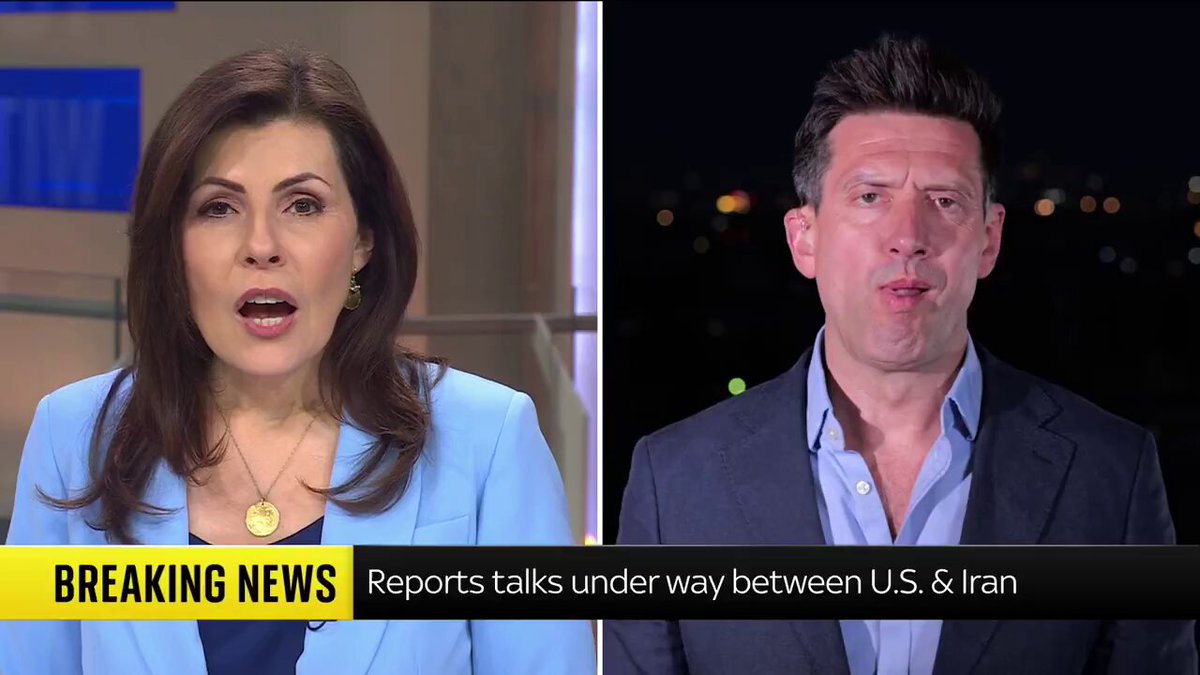
🇺🇸🇮🇷 Iran emerged from the war with far more leverage than many expected. Prof. Fawaz Gerges argues the Trump administration is now trapped in a strategic box, facing an Iran that can exert enormous pressure on the global economy through the Strait of Hormuz. He says Washington entered the...

57,843 görüntüleme • 4 ay önce •via X (Twitter)

0 Yorum

Yorum bulunmuyor

Orijinal gönderinin yorumları burada görünecek

Benzer Videolar

🇺🇸🇮🇷 Trump has restarted a war he no longer controls, and Iran intends to make escape painfully difficult Middle East analyst Trita Parsi says Trump believed he could inflict enough military pressure to force Iran back to the negotiating table, then declare victory and end the conflict whenever it became politically convenient. Instead, rather than giving him an easy off-ramp, Iran is trying to make the war so costly that he never thinks of doing it again. That's why Trita believes the economic pressure matters just as much as the missiles, because every additional cost increases the political pain of continuing the conflict. At the heart of the war is the Strait of Hormuz, and Trita argues this isn't really about shipping fees; it's about leverage. Iran believes control of the Strait is its single biggest deterrent against a full-scale American attack. Give that up, and Washington can launch another war with far fewer consequences. That's why he says Tehran is extremely unlikely to compromise on the issue, regardless of the military pressure. His warning is that this creates a dangerous cycle, because every failed attempt to force a breakthrough creates pressure for another escalation. Trita says that's how wars stop being short campaigns and start becoming open-ended conflicts. He puts the chances of the fighting escalating over the next month at more than 80%. Not because either side necessarily wants a forever war, but because both sides now believe backing down today makes an even bigger war tomorrow more likely. Trita Parsi

Mario Nawfal

287,770 görüntüleme • 2 ay önce

🇺🇸🇮🇷⚠️ Trump hoped reopening the Strait of Hormuz would give him an opportunity to declare victory and wind down the war with Iran, even without securing a nuclear agreement. Tehran, however, has dramatically raised the price of a deal. According to The Wall Street Journal, Iran is demanding the withdrawal of U.S. forces from the region, an end to the naval blockade, the lifting of sanctions, the release of frozen Iranian assets, and billions of dollars in war reparations before fully reopening the Strait of Hormuz. Those demands have significantly narrowed the Trump administration’s room for maneuver. Tehran reportedly believes Washington is increasingly eager to find an exit from the conflict and is therefore using its ability to disrupt the Strait of Hormuz, and consequently a crucial portion of global oil flows, as leverage at the negotiating table. The pressure is also growing inside the United States. Gasoline prices are hovering around $4 per gallon, while the approaching midterm elections give the Trump administration a strong political incentive to stabilize energy markets and reach an agreement with Iran. The situation leaves Washington facing an increasingly difficult calculation. Accepting Tehran’s sweeping demands would represent a major concession, while renewed military escalation risks further disruption of Hormuz and another surge in global energy prices. Iran appears to understand that pressure on the Strait directly translates into economic and political pressure on Washington, and Tehran is attempting to exploit that leverage to extract concessions it could never obtain under normal circumstances.

NSTRIKE

19,620 görüntüleme • 1 ay önce