Video yükleniyor...

Video Yüklenemedi

Ana Sayfaya Dön

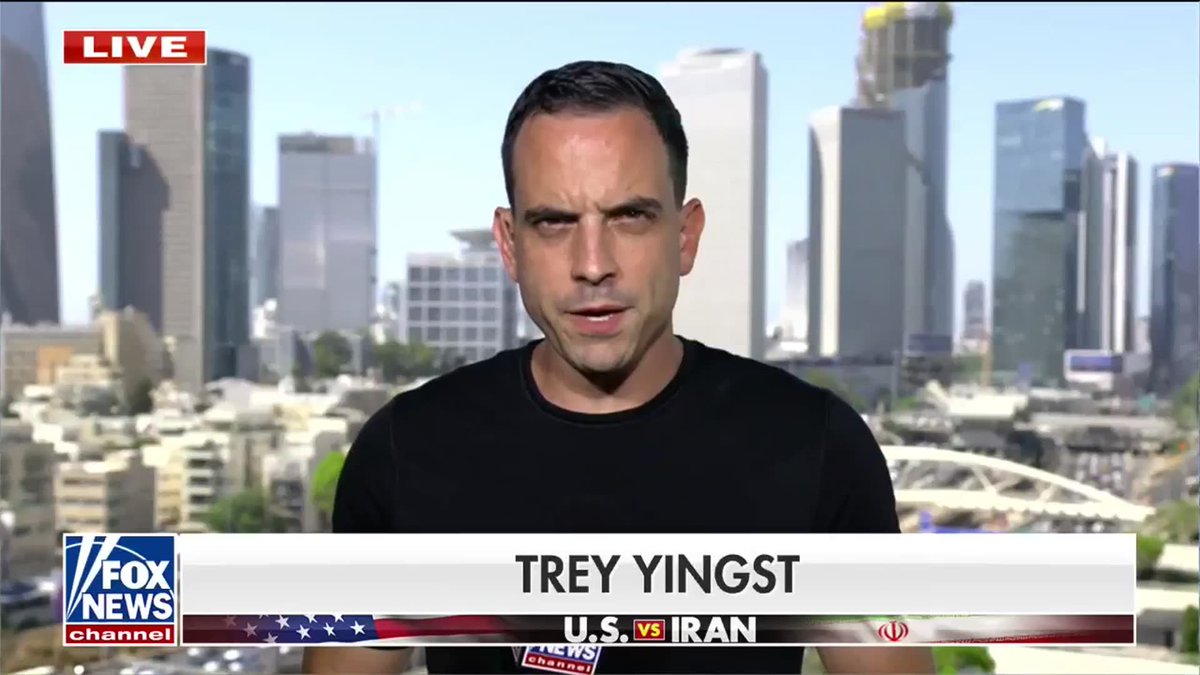
🇮🇷🇺🇸 Iran has reportedly given Washington a new ultimatum: return to diplomacy and lift the naval blockade within “a few weeks,” or Tehran will expand the war. Iran says the previous 60-day MOU deadline is meaningless because Washington violated the agreement before negotiations even began. The new deadline is...

296,727 görüntüleme • 4 gün önce •via X (Twitter)

0 Yorum

Yorum bulunmuyor

Orijinal gönderinin yorumları burada görünecek

Benzer Videolar

🇺🇸🇮🇷⚠️ Trump hoped reopening the Strait of Hormuz would give him an opportunity to declare victory and wind down the war with Iran, even without securing a nuclear agreement. Tehran, however, has dramatically raised the price of a deal. According to The Wall Street Journal, Iran is demanding the withdrawal of U.S. forces from the region, an end to the naval blockade, the lifting of sanctions, the release of frozen Iranian assets, and billions of dollars in war reparations before fully reopening the Strait of Hormuz. Those demands have significantly narrowed the Trump administration’s room for maneuver. Tehran reportedly believes Washington is increasingly eager to find an exit from the conflict and is therefore using its ability to disrupt the Strait of Hormuz, and consequently a crucial portion of global oil flows, as leverage at the negotiating table. The pressure is also growing inside the United States. Gasoline prices are hovering around $4 per gallon, while the approaching midterm elections give the Trump administration a strong political incentive to stabilize energy markets and reach an agreement with Iran. The situation leaves Washington facing an increasingly difficult calculation. Accepting Tehran’s sweeping demands would represent a major concession, while renewed military escalation risks further disruption of Hormuz and another surge in global energy prices. Iran appears to understand that pressure on the Strait directly translates into economic and political pressure on Washington, and Tehran is attempting to exploit that leverage to extract concessions it could never obtain under normal circumstances.

NSTRIKE

19,620 görüntüleme • 12 gün önce

🇺🇸🇮🇷 Journalist Sharmine Narwani says Trump is trying to claim credit for a Hormuz deal he did not negotiate and may no longer have the power to stop. She argues there is no U.S-Iran deal; Washington and Tehran are not even negotiating directly. The real discussions are taking place between Iran and Oman, with Gulf states increasingly backing a regional solution to a crisis America created but could not control. And that distinction matters. Trump wants to present any reopening of the Strait of Hormuz as another war he personally solved, but Sharmine says the real story is almost the exact opposite. Regional states are no longer waiting for Washington to decide how they engage with their neighbors. They are taking matters into their own hands because leaving their security to the U.S became too dangerous. The emerging Hormuz arrangement is still being negotiated, but one Iranian position appears immovable: The Strait will never return to the system that existed before the war. Iran could retain authority over inbound traffic, oversight of vessels using the Omani route, the power to inspect or block ships it considers hostile, and transit or service fees also remain on the table. Even a final agreement would not mean business as usual, because any renewed attack on Iran could immediately close the Strait again. America may now have to accept an arrangement written by Iran and Oman, supported by Gulf nations and only reluctantly tolerated by Washington. Sharmine argues this reflects something much larger than a dispute over shipping lanes: The old regional order is breaking down. For decades, Washington expected allies and adversaries alike to wait for American approval before making major security decisions. This war changed that calculation, and Iran emerged not isolated or broken, but with greater influence over the diplomatic endgame. Her argument is that the U.S did not merely fail to defeat Iran; it accelerated the rise of the regional power it entered the war to contain. Sharmine Narwani

Mario Nawfal

229,892 görüntüleme • 15 gün önce

🇮🇷🇺🇸 Iran is turning Hormuz into the price of ending the war, and the U.S may now face an impossible choice. Shipping through the Strait has reportedly fallen from roughly 130–140 vessels a day before the war to just SIX yesterday, and the positions on both sides appear to be getting further apart. Iran is now tying the full reopening of Hormuz to a much bigger package of demands: End the war and blockade, release frozen Iranian assets, and secure a broader regional ceasefire encompassing Lebanon and Gaza. Only then does the Strait fully reopen. Iran and Oman may be getting closer to agreeing HOW shipping would operate through Hormuz, but that doesn't mean Tehran has agreed to actually reopen it yet. And while the diplomacy drags on, the physical situation is getting worse. Kpler figures suggest oil flows have fallen to around 2.2 million barrels per day, compared with roughly 20 million barrels of oil and petroleum products transiting daily before the war. Which brings us to what may be the biggest strategic shift of the entire conflict. According to a U.S military intelligence assessment, Iran's strategic priority may increasingly be moving away from its nuclear program, and toward control of Hormuz itself. Think about what that means. For decades, Iran sought deterrence through its nuclear program, ballistic missiles and regional allies. But this war may have accidentally handed Tehran something capable of inflicting immediate economic pain on the entire world: Hormuz. "The Strait of Hormuz IS their nuclear weapon." Not literally as a military deterrent, but economically, the leverage is extraordinary, and that leaves Trump with horrible options. Accept some version of Iran's demands and potentially end the war with Tehran exercising MORE authority over Hormuz than it had before the fighting began. Or attempt to break Iranian control militarily. But the U.S military assessment warns that doing so could be lengthy, costly, and deadly, with no guarantee it would even work. The Iran war may not actually be ending; it may simply be frozen, with both sides waiting for the moment when they think they can win the next round.

Mario Nawfal

366,811 görüntüleme • 10 gün önce