正在加载视频...

视频加载失败

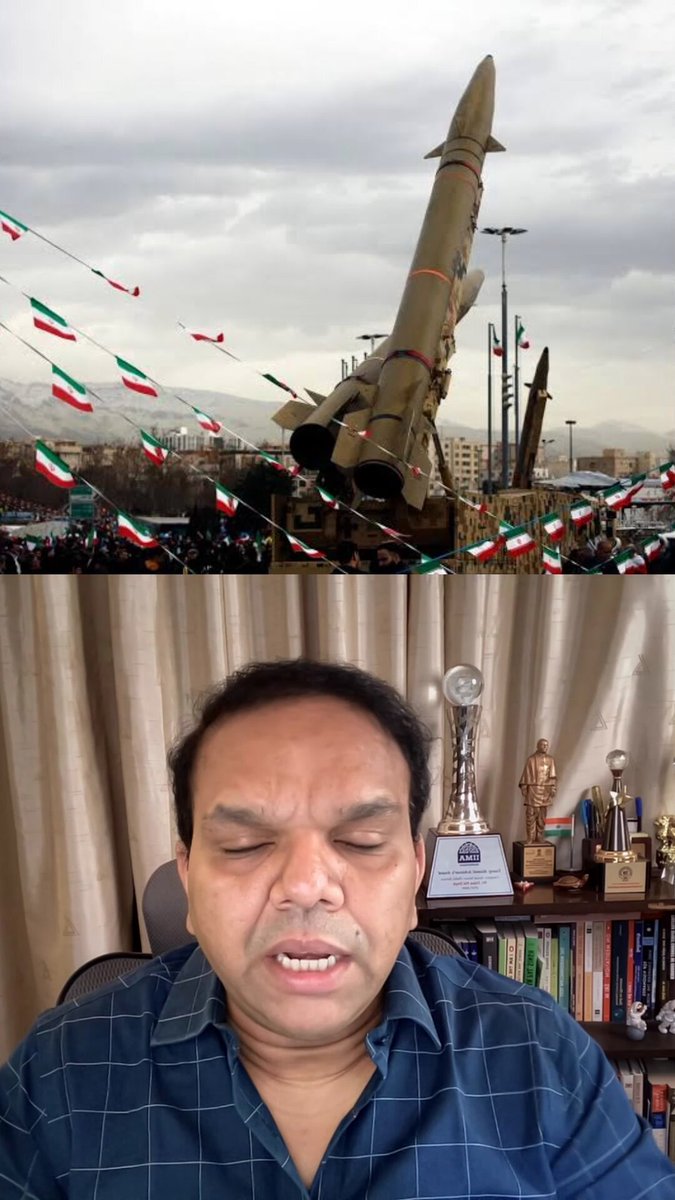
Iran's Kheibar Shekan ballistic missile is increasingly drawing attention after reports that it has been used against U.S. military positions in the Middle East. According to a Wall Street Journal report, the missile's combination of solid-fuel propulsion, rapid launch capability, high speed, and terminal manoeuvrability is making it more...

31,555 次观看 • 1 个月前 •via X (Twitter)

0 条评论

暂无评论

原始帖子的评论将显示在这里

相关视频

🇮🇷 Iran’s Ballistic Missile Arsenal and the Regional Counter Strategy Fateh Series (SRBM) The Fateh family represents Iran’s core short range ballistic missile capability. These missiles use solid fuel, allowing rapid launch with minimal preparation time. Estimated range is around 300 km, designed for battlefield and regional targets. Later variants emphasize higher accuracy through improved guidance and terminal maneuvering, making them more difficult to intercept than older systems. Sejjil (MRBM) Sejjil is a two stage, solid fuel medium range ballistic missile with an estimated range of 2,000 to 2,500 km. Its solid fuel design significantly improves survivability by reducing launch detection time. Sejjil is intended as a strategic missile capable of reaching targets across the Middle East, including major military bases and infrastructure. Kheibar Shekan (Advanced MRBM) Kheibar Shekan is a newer generation solid fuel missile with a reported range of around 1,450 km. It features a maneuverable reentry vehicle, enabling mid course and terminal phase adjustments to complicate interception. This missile is optimized to penetrate modern missile defense systems rather than relying purely on range or payload. Why these missiles challenge air and missile defenses? Solid fuel propulsion shortens warning time. Maneuverable reentry vehicles reduce interception probability. High speed terminal phases compress response windows. When launched in salvos, these missiles are designed to stress and saturate defensive systems. How regional and allied forces aim to counter this threat Surrounding states and allied bases rely on layered missile defense. Patriot PAC 3 MSE addresses short range and terminal phase threats. THAAD provides high altitude interception against medium range missiles. Israeli systems such as Arrow complement regional coverage. Early warning radars, space based sensors, and shared command networks extend detection and response time. Base hardening, dispersal of assets, and redundancy reduce damage if interception fails. Intelligence driven preemptive strike capability remains a key deterrent factor. Strategic assessment Iran’s missile program emphasizes survivability and defense penetration rather than sheer numbers. In response, regional allies focus on integration, layered defense, and intelligence dominance. The outcome in any future conflict would likely depend less on individual missiles and more on coordination, saturation levels, and decision speed.. Can layered missile defense realistically stay ahead of evolving maneuverable ballistic threats?

Defense Intelligence

22,048 次观看 • 6 个月前

🚨🇮🇷🇺🇸 US TREMBLES: This Iranian Missile Can Wipe Out Any American Base in the Middle East Iran unveiled the Fattah missile in June 2023 as a new addition to its solid-fuel medium-range ballistic missile arsenal. It has a range of approximately 1,400 km, placing Israel, US bases in the Persian Gulf, and much of the Middle East within reach from Iranian territory. 🔸 Fattah uses solid propellant, allowing it to remain fueled and launch-ready for extended periods. This eliminates the lengthy fueling process required by older liquid-fuel missiles and improves survivability by enabling mobile deployment on transporter-erector-launchers. 🔸 The missile features a maneuverable reentry vehicle mounted on a conical warhead section with small control surfaces. This allows trajectory adjustments during the terminal phase of flight. Unlike traditional ballistic warheads that follow a predictable descent path, maneuvering reentry vehicles can alter direction, reducing interception probability and shortening reaction time for missile defense systems. 🔸 Fattah uses composite materials to reduce structural weight while maintaining strength. This improves range efficiency and allows the missile to carry a warhead estimated at around 450–500 kg. 🔸 The system is part of a broader modernization effort that includes missiles such as Haj Qasem and Kheibar Shekan, all built around solid fuel, mobile launch capability, and maneuverable warheads. These systems are designed for rapid deployment, reduced launch preparation time, and greater operational flexibility. Fattah shows Iran’s continued focus on survivable medium-range strike systems capable of operating from mobile platforms and reaching targets across the region. Trump has been shipping massive amounts of military cargo to the Middle East lately ahead of a possible strike on Iran. Did he manage to send enough body bags for American cannon fodder in case of an Iranian Fatah retaliatory strike?

NewRulesGeopolitics

16,391 次观看 • 6 个月前

🚨🇷🇺🚀 Russia is accelerating ballistic missile production as Ukraine faces a growing shortage of air defense interceptors. The widening imbalance threatens to increase pressure on Ukrainian cities in the months ahead. According to Ukrainian military intelligence, Russia is currently producing around 120 ballistic missiles per month, including Iskander-M and Kh-47M2 Kinzhal missiles, in addition to 20-25 Zircon hypersonic cruise missiles. Moscow is also reportedly expanding its arsenal with KN-23 ballistic missiles supplied by North Korea. The assessment suggests that the Kremlin is increasingly betting on a strategy of attrition, seeking to intensify large-scale missile strikes while Ukraine waits for additional Western air defense interceptors, the development of its own anti-ballistic systems, and the serial production of domestically manufactured ballistic missiles. According to the report, many Ukrainian Patriot launchers are currently without interceptor missiles, with both PAC-2 and PAC-3 launch canisters reportedly standing empty. As a result, Russia’s growing ballistic missile arsenal is expected to remain one of the most serious threats to Kyiv and other Ukrainian cities, as well as to the country’s critical infrastructure, in the coming months. The combination of rising Russian missile production and limited interceptor availability is shaping one of the most critical challenges for Ukraine’s air defense as the war enters a new phase of long-range strikes. See the latest updates with us: NSTRIKE

NSTRIKE

17,630 次观看 • 23 天前