Загрузка видео...

Не удалось загрузить видео

На главную

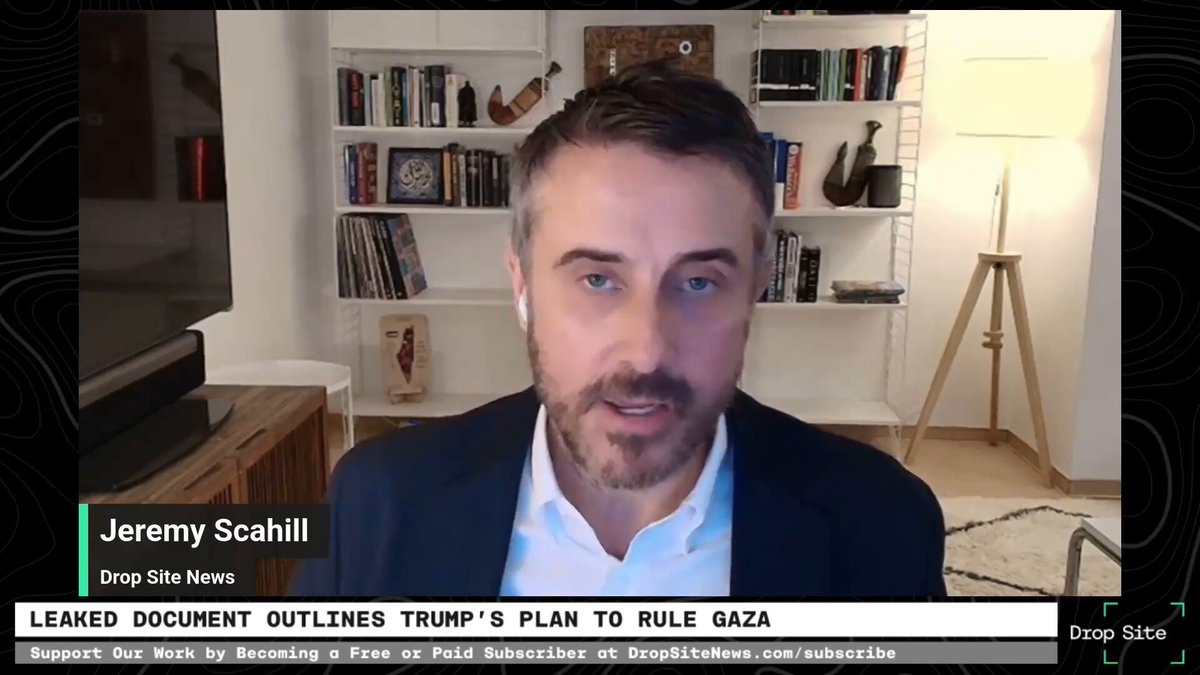
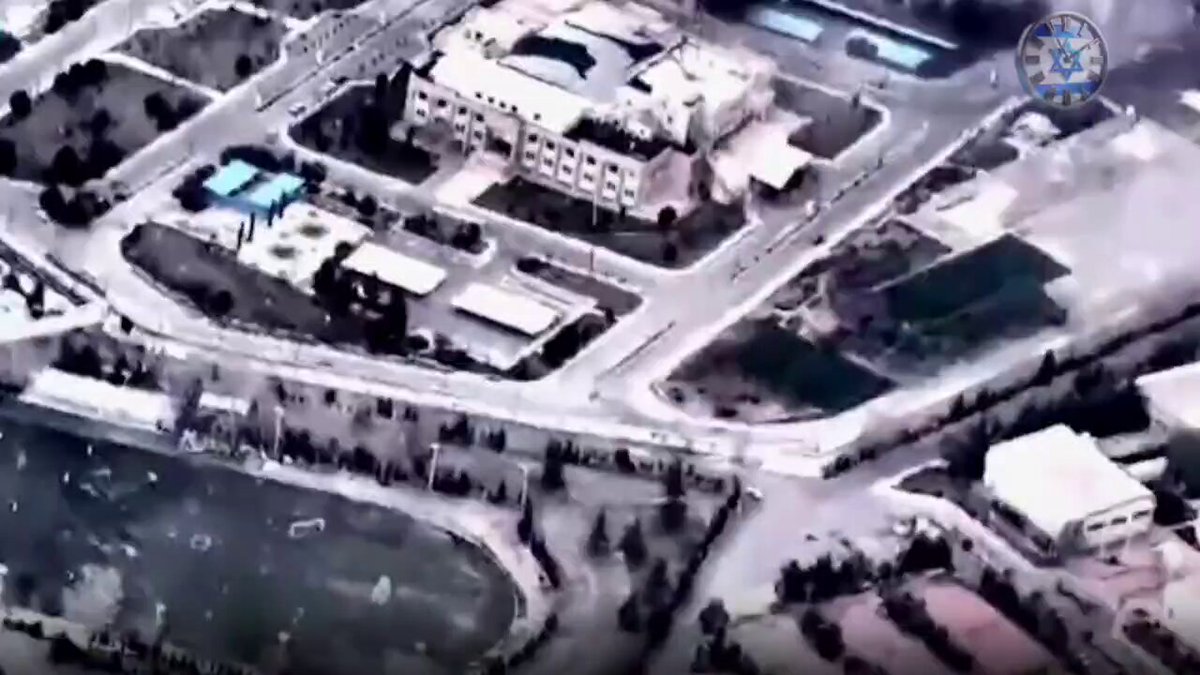
🚨 Is the Iran Operation Going Off Script? New analysis suggests the narrative may already be shifting... President Donald J. Trump is talking about avoiding “forever wars.” Officials are signaling this could last 4–5 weeks - maybe longer. And recent comments hint at positioning Israel to absorb political fallout...

25,421 просмотров • 4 месяцев назад •via X (Twitter)

Комментарии: 0

Нет доступных комментариев

Здесь появятся комментарии из оригинального поста

Похожие видео

🚨 OPERATION “EPIC FURY” ESCALATES AS U.S. AND ALLIES POUND IRAN According to new reports circulating from U.S. political and media sources, the campaign against Iran — described as Operation Epic Fury — is intensifying dramatically. Officials claim the strikes have inflicted devastating damage on Iran’s military infrastructure.Reportedly destroyed or heavily degraded:• Iranian naval capability • Air force assets • Radar and early-warning detection systems • Missile launch infrastructure • Hundreds of fighters and regime personnel Sources also claim Israeli strikes hit a meeting in Tehran where remnants of the regime were attempting to select a new supreme leader, forcing the gathering to disperse after missile impacts nearby. At the same time, Iranian retaliation has reportedly shifted toward short-range missiles and inexpensive drones, launched sporadically toward U.S. allies across the region. Several incidents have been reported:• A drone strike near a U.S. consulate in Dubai • Damage to a CIA station at the U.S. embassy in Saudi Arabia • Continued attempts to launch missiles toward Israel and regional bases U.S. Central Command is reportedly targeting launch sites immediately after missiles are fired, destroying them within minutes. Another major development could soon widen the war further. Sources suggest Saudi Arabia is close to deploying its air force, potentially flying combat missions alongside Israeli aircraft — an unprecedented alignment that would signal a major geopolitical shift in the Middle East. Meanwhile Washington has warned that the next 24 hours could bring a major expansion of the air campaign, with officials indicating the scale and intensity of strikes are about to increase significantly. Missile launches from Iran have reportedly dropped from roughly 100 per day at the start of the conflict to around 20, suggesting the sustained bombardment is degrading Iran’s capabilities. At the same time, the U.S. Navy is preparing to escort oil tankers through the Strait of Hormuz, aiming to prevent Iran from disrupting global energy supplies. If the current trajectory continues, the conflict could enter a new phase — with regional powers joining the campaign and Iran’s remaining military infrastructure coming under increasingly intense pressure.

Jim Ferguson

159,244 просмотров • 4 месяцев назад

🚨 BREAKING: KURDISH FORCES REPORTEDLY LAUNCH GROUND OFFENSIVE INTO IRAN A U.S. official has told Fox News that thousands of Iraqi Kurdish fighters have launched a ground offensive into Iran, opening what could become a new front in the war. The development comes on day five of Operation Epic Fury, as U.S. and Israeli forces continue large-scale strikes across Iran. According to the latest figures being reported:• Over 2,000 Iranian targets have been hit • More than 20 Iranian naval vessels destroyed • 500+ ballistic missiles launched by Iran • Over 2,000 drones fired in retaliation Pentagon officials say Iran’s military capability is declining rapidly, with ballistic missile launches reportedly down around 88% since the start of the campaign. At sea, U.S. forces appear to be tightening the pressure. Reports say an American submarine torpedoed and sank one of Iran’s major naval vessels, a rare submarine attack against a warship not seen often since World War II. Meanwhile, U.S. military leadership says the campaign is expanding rather than slowing, with more aircraft and strike capabilities arriving in the region. The White House says the objective remains unchanged: eliminate Iran’s ability to threaten the United States and its allies with missiles, drones, and nuclear weapons. If Kurdish forces are indeed operating inside Iran, the conflict may now be shifting from pure air war to multi-front pressure on the ground.

Jim Ferguson

23,510 просмотров • 4 месяцев назад

🚨 OPERATIONAL UPDATE: ISRAEL U.S. WAR WITH THE ISLAMIC REPUBLIC - Reporting Window: Last 24 Hours ✳️The war is entering its final phase, but the battlefield is becoming more dangerous, not less. For the first time since the conflict began, the United States has signaled that its objectives against Iran have largely been achieved and that military operations could conclude within 2 to 3 weeks. At the same time, the operational picture tells a more complex story. Strikes inside Iran are intensifying, not slowing. Iran’s responses are becoming less concentrated but more geographically expansive. And across the region, the risk of broader escalation remains very real. This is no longer an open-ended war. It is a race between final military objectives and the risk of wider regional destabilization. ━━━━━━━━━━━━━━━━━━ 🏁 POLITICAL ENDGAME SIGNAL EMERGES President Donald Trump stated that the war could end within weeks, indicating that core objectives have been achieved, including the degradation of Iran’s strategic capabilities and the disruption of its leadership structure. He also signaled that the United States does not intend to remain indefinitely engaged, suggesting that responsibility for securing critical global nfrastructure, particularly the Strait of Hormuz, may shift to regional and international stakeholders. At the same time, tensions with NATO allies are surfacing. Frustration over limited allied participation in the war has raised the possibility of a broader fracture within the Western alliance structure. Parallel reporting indicates that elements within Iran are signaling openness to a ceasefire framework, particularly if maritime access through Hormuz is restored. Taken together, this marks a clear transition: the war now has a defined political end state, even as military operations continue. ━━━━━━━━━━━━━━━━━━ ✈️ FINAL PHASE STRIKE CAMPAIGN INSIDE IRAN The intensity of strikes over the past 24 hours reflects what appears to be end-stage shaping operations. Israeli and US-aligned strikes targeted a wide range of sites across Iran, including weapons production facilities, research and development centers, and critical infrastructure nodes tied to the regime’s military capabilities. Tehran remains a central focus. Approximately twenty military-industrial sites were struck, along with infrastructure at Mehrabad Airport and locations linked to Basij coordination. A senior Quds Force engineering figure, Mahdi Vafaei, was eliminated in a precision strike. His role in developing underground weapons infrastructure across Lebanon and Syria made him a key long-term asset for Iran’s regional military network. Additional strikes hit industrial targets, including steel production facilities and a site identified as supporting materials linked to Iran’s chemical weapons development pipeline. This is not a campaign aimed at symbolic damage. It is a systematic effort to dismantle Iran’s ability to produce, coordinate, and sustain war over time. ━━━━━━━━━━━━━━━━━━ 🎯 IRANIAN RESPONSE AND CIVILIAN IMPACT Iran continues to launch missiles toward Israel, but at a reduced scale compared to earlier phases of the war. Limited salvos were recorded over the past 24 hours, causing injuries and localized damage. One of the most significant developments was the reported use of cluster munitions in central Israel, critically injuring a child and causing multiple casualties. At the same time, Iran appears to be adapting operationally. Rather than attempting large-scale saturation attacks, it is increasingly relying on smaller strikes, drones, and diversified targeting strategies. This does not indicate de-escalation. It reflects an effort to remain operational under sustained pressure. ━━━━━━━━━━━━━━━━━━ 🌍 REGIONAL EXPANSION: THE WAR SPREADS While direct attacks on Israel have become more limited in scale, Iran is expanding the conflict across the region. In the Gulf, infrastructure in Kuwait and Bahrain was struck, including fuel storage facilities at Kuwait International Airport. Fires and damage were reported, adding to a growing pattern of attacks on energy and logistical nodes. A commercial tanker was also struck near Qatar, further extending the conflict into maritime space. These developments mark a continued shift where Iran is targeting not just Israel, but the broader economic and energy architecture of the region. ━━━━━━━━━━━━━━━━━━ 🚢 THE STRAIT OF HORMUZ The strategic center of gravity in this war is now unmistakable. The Strait of Hormuz remains contested, with ongoing disruption to global shipping and energy flows. The United States is actively evaluating options to reopen and secure the waterway, including potential direct military action against Iranian coastal capabilities. At the same time, Gulf states, particularly the UAE, are pushing for a coordinated military effort to ensure the strait is reopened. However, regional positioning remains complex, with some actors balancing public caution and private pressure. Notably, the United States has signaled that it may not take long-term responsibility for securing Hormuz, instead shifting that burden to global stakeholders. The implication is clear: control of Hormuz will determine not only the outcome of the war, but its aftermath. ━━━━━━━━━━━━━━━━━━ 🔥 NORTHERN AND PROXY FRONTS Iran’s proxy network remains active, but increasingly strained. In Lebanon, Israeli strikes continue to target Hezbollah leadership and infrastructure, including the reported elimination of a senior commander in Beirut. Rocket fire persists, but Israeli operations are steadily degrading launch capabilities. In Yemen, the Houthis have formally entered the fight against Israel and are likely contributing to the expanding pattern of regional attacks, including those affecting Gulf infrastructure. Across Iraq and Syria, Iranian-aligned militias remain engaged, while underlying instability continues to create openings for additional actors. This is now a multi-front conflict, but one in which Iran’s network is under pressure across every axis. ━━━━━━━━━━━━━━━━━━ 🧠 WARFARE EVOLUTION A critical and often overlooked development is the role of advanced targeting systems. Israel is employing AI-assisted capabilities to identify threats, prioritize targets, and synchronize strikes across multiple theaters in near real time. This has significantly compressed the operational cycle, allowing for rapid follow-up strikes and reduced recovery time for Iranian forces. The result is a battlefield environment where Iran has less time to act, less time to adapt, and fewer opportunities to rebuild degraded capabilities. ━━━━━━━━━━━━━━━━━━ 📊 THE BIG PICTURE The trajectory of the war is now coming into focus. The United States and Israel are executing a campaign designed to dismantle Iran’s ability to function as a coherent military actor. Iran, in response, is expanding the conflict geographically in an attempt to impose broader costs. At the same time, political signals indicate that the war is approaching a defined end state. Markets are already reacting to this expectation, with oil prices declining and global indices rising on the assumption that the conflict may soon conclude. However, the final phase carries its own risks. As Iran’s conventional capabilities degrade, its reliance on asymmetric and regional tactics is increasing. The decisive question is no longer how the war is fought day to day. It is whether the final objectives can be secured before broader escalation overtakes them. ━━━━━━━━━━━━━━━━━━ 📘 BOOK RECOMMENDATION If you want a deeper understanding of the history, narratives, and strategic realities behind this conflict: Contested Land, Uncontested Truth This book breaks down the ideological, geopolitical, and historical forces that led directly to moments like this, with clarity and evidence. 👉 If you found this report valuable, share it. Follow for daily operational updates.

Inside_Israel_Intel

60,835 просмотров • 3 месяцев назад

❗️❗️❗️ Iran is reportedly anticipating a large-scale U.S.–Israeli air and naval assault unlike anything the Middle East has seen since 2003. 📰🚨 Key developments: 🎯 According to YNET, Israel assesses that Trump may “soon” launch a large-scale strike on Iran. Israeli officials believe that amid stalled nuclear negotiations, the U.S. president could initiate a joint U.S.–Israel operation in the coming days. 🔹 “American patience with Iran’s delay tactics may run out faster than Tehran expects.” 🔹 Israeli officials do not expect a short strike, but rather a weeks-long military campaign targeting Iran’s ballistic missile program, IRGC institutions, and potentially elements of the regime leadership. 🟥 U.S. forces have built up a massive regional presence — what Trump described as a “beautiful armada.” Israeli officials say this is not for show. One Israeli source told CNN that a potential strike would “go far beyond the scope of the 12-day war” and involve coordinated, large-scale U.S.–Israeli operations. 🇮🇱 Israel has elevated its combat readiness level, anticipating possible Iranian missile retaliation — even if Israel does not directly participate in the initial phase. The Home Front Command and emergency services are on full alert. 🔹 The Houthis are expected to engage immediately. Hezbollah could also open a front. 📌 A senior U.S. official told Axios that the latest Geneva talks with Iran were a “nothing burger” — meaning no meaningful progress — and that Trump is leaning toward military action. 🇺🇸 U.S. officials told i24NEWS that “military forces are not deployed to the region just to sit at bases for weeks.” 🟥 Due to Israeli military censorship restrictions, details remain limited, but Channel 12 reports that Israel’s rescue services and Home Front Command have been instructed to prepare for war; a high-level defensive alert has been declared. 🔹 Israel does not rule out a preemptive move by the Iranian regime. Some Israeli security officials believe the timeline for potential strikes may be measured in days rather than weeks. Follow, repost, like, and comment on the posts at NSTRIKE.

NSTRIKE

24,917 просмотров • 5 месяцев назад