Video yükleniyor...
Video Yüklenemedi
I’ve solved more hyperinflation problems than any living economist. The solution is always the same: "scrap the central bank and either install a currency board or dollarize." IT WORKS EVERY TIME. My latest via Robert P. Murphy:
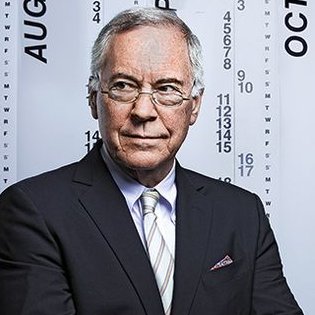
15,971 görüntüleme • 1 yıl önce •via X (Twitter)
10 Yorum

@BobMurphyEcon With the current fiscal environment, I'd probably nix the dollarize option.

@BobMurphyEcon Where has it worked ?

@BobMurphyEcon I think boomers have fucked everything up enough already, go fishing

@BobMurphyEcon USA exports inflation worldwide.

@BobMurphyEcon They can't scrap the FED. How else can the print worthless money? Without the FED they can only coin gold and silver.

@BobMurphyEcon Remember Milei.

@BobMurphyEcon What if the dollar is in hyper inflation

@BobMurphyEcon Isn’t the global south de dollarizing? All great empires control currency, but the American empire is in decline.

@BobMurphyEcon Dollarize? No way!

@BobMurphyEcon So the real need is to install your prescription before the US ever experiences hyperinflation. *Like a Monetary Vaccine* Otherwise a country catches hyperinflation and all the other countries avoid trade with them "like the plague".



![The Trump admin is GASLIGHTING us re: no CBDCs They know they can't do CBDCs because of the Constitution, so they're backdooring them with stablecoins Iain Davis explains— "the idea of a [CBDC] is that it will give these private institutions total control of a new digital international monetary and financial system" "CBDC is programmable money that slots into that system. That's why they want it" "That's not going to work in the US because... it's a constitutional right in the United States that the people, and only the people, oversee what they call the power, quote–unquote... to coin money" "So what are you going to do about it? You need some sort of work-round" "So stablecoins and things like deposit tokens or tokenized deposits are variations of programmable digital currency. But rather than being issued by a central bank, they're issued by a commercial bank" "stablecoins... slot into the system of programmability just as easily, if not more so than a central bank digital currency. So you can attach smart contracts to any kind of digital transaction using digital currency" "Programmable digital currency and stablecoins do exactly the same thing, serve the same purpose, as central bank digital currency" This clip of Iain Davis (InThisTogether), author of The Technocratic Dark State, is taken from a Flashlights podcast (Flashlights Podcast) episode posted to Rumble on May 17, 2026. ---------------Partial transcription of clip---------------- "It's a constitutional right in the United States that the people, and only the people, oversee what they call the power, quote–unquote, it says this in the Constitution, to coin money. So the power to coin money is overseen by the people. "Now the idea of a central bank digital currency is that it will give these private institutions total control of a new digital international monetary and financial system. That's CBDC is programmable money that slots into that system. That's why they want it. "That's not going to work in the US because even though Congress, you know, Congress is the, is the dog which is wagged by the tail in this of the Fed, the Fed, you know, the Fed tells Congress what to do, not the other way round. But theoretically it could be the other way round. And theoretically the people could assert their control over the Fed if they only knew about it, which, not many people do, but they could do it, right? It's in the US Constitution. "Now that's a problem if you're going to embark on a global transformation of the entire international monetary and financial system when your leading reserve currency is the US dollar. So that's, you know, that could all go wrong very badly. "So what are you going to do about it? You need some sort of work round. How are you, how are you going to do which for the, you know, I, for many years, well, since central bank digital currency has been something that I've been looking at, I couldn't figure out why the US wasn't more enthusiastic about central bank digital currency. "Because it's the type of thing that the US administrations are usually right up— You know, they're really gung ho about that kind of centralized control of everything. That's right up their alley. So why, why don't they like it? And then it was the work of John Titus who pointed out this problem that they've got in the US with the Constitution that made me look at that and think, right. And then I started investigating that further. And he's right about that. That is a problem. "But then they obviously need some sort of workaround. How are they going to have. Because the main point of central bank digital currency from the surveillance and control aspect is that we will all need digital identity in order to access our digital wallets, which will contain the currency and the currency and the wallets and our, digital identities will all be programmable so conditions can be set on everything that we do. "Every transaction we make will be subject to condition through some sort of smart contract probably, which will control it. Right. So you know, if you say the wrong thing or you know, you, you just write the wrong thing online, you could be punished by algorithm by controlling your access to money... "And so the key to that is central bank— the programmability of central bank digital currency. But obviously that's not going to, may not work. There's a good chance that won't work in the United States which has got the US dollar reserve is an important currency. "So what are you going to do? So stablecoins and things like deposit tokens or tokenized deposits are variations of programmable digital currency. But rather than being issued by a central bank, they're issued by a commercial bank. So or in the case of stablecoins, a non-bank, a non-bank institution like Tether. So it's not a bank. "But you can use stablecoins for exactly the same. They slot into the system of programmability just as easily, if not more so than a central bank digital currency. So you can attach smart contracts to any kind of digital transaction using digital currency. Programmable digital currency and stablecoins do exactly the same thing, serve the same purpose as central bank digital currency or the other version, the commercial bank version is deposit tokens. Any of those will do. "Now in the US they've gone down the stablecoin route so they can issue the stablecoins which will be backed by US Treasuries, just like the dollar or just like any kind of dollar instrument will be one to one convertible for the US dollar. So the stablecoins are effectively the US dollar in, in digital form. "But instead of calling it a central bank digital currency, they call it issued by, it wouldn't have to be issued by the Fed. They call it a stablecoin, which is issued by a company like Tether or you know, someone like that. So it's the same system but using a workaround. And that workaround came with the Genius Act which, which came from an executive order that Trump made when he first came to office. "Because the Americans, quite rightly when they were electing their president, were concerned about central bank digital currency. I mean anyone that understands what it is should be terrified of it. So they didn't want it, and Trump promised that they wouldn't have it. Probably. I don't know whether he knew, but certainly the gaggle of technocrats that were around him knew that they weren't going down that path. Anyway, no chance of the US introducing it because of these problems we've just outlined."](https://image.24vids.com/tw-2060155537791303822/amplify_video_thumb/2060149164164669440/img/gbwudVOTDKQpFTbG.jpg)