Video wird geladen...
Video konnte nicht geladen werden
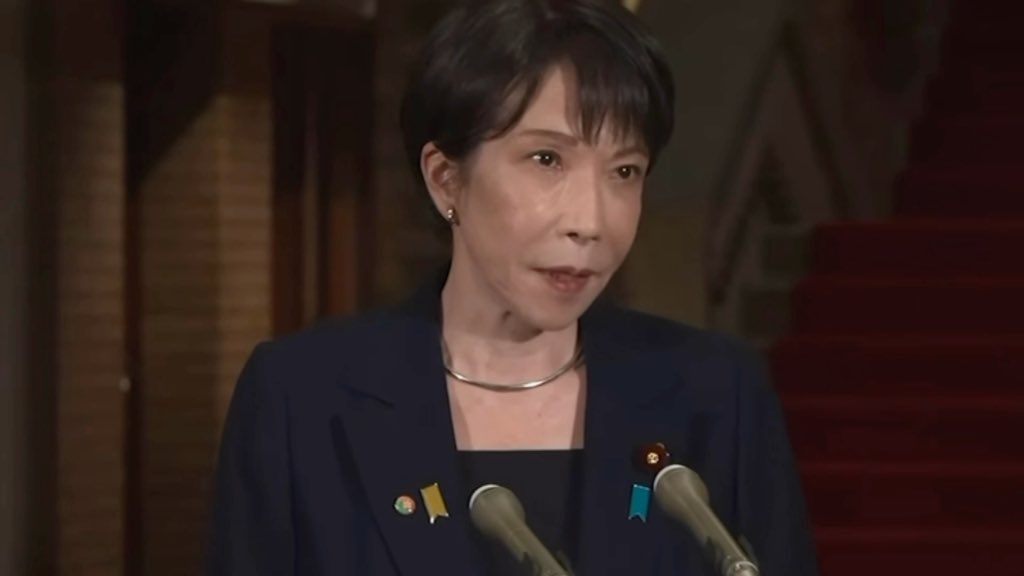
Japan has officially cancelled the Africa Hometown program after false claims from Nigeria’s government turned a cultural exchange into a global embarrassment. While Japan moves on, Nigeria’s credibility suffers and under Tinubu’s watch, every opportunity seems to collapse. Respect is earned, not fabricated. #JICA #Ghana #Nigeria #atruthatatime #japan

96,562 Aufrufe • vor 1 Jahr •via X (Twitter)
35 Kommentare

The desperation of this administration for any form of commendation without adequate working experience baffles me

Banger beginning to the video Mimi "Other Nations build trust on facts Nigeria under Bola's administration builds Castles on lies"

Congratulations to the APC for exporting their usual propaganda to the world. I’ve never seen a bunch of dishonest and dishonorable gluttons as these ones parading themselves as Nigerias leadership. But you can never shame the shameless.

No you lied. Japan is facing a population crisis. The PM has proposed expanding immigration programs, he has been facing backlash and then he stepped down few days ago. The next elections are in two weeks and to win the liberal party is pulling back it's immigration programs. That's why this project was cancelled. To finalise: PETER OBI WILL NEVER BE PRESIDENT

The minister is a Yariba man The presyis Yariba man That live on lies

A lot of Nigerians hate their country so much because they were raised to do so. Japan of all places. Japan needs us more than we need them It's not an opportunity it's strategic. Japan that if they don't open their borders in the next 50 years the country will collapse

Nigeria Govt, what have you to say to this. @officialABAT @aonanuga1956 @SundayDareSD @NGRPresident @NigeriaGov @NGRSenate @nassnigeria @FMINONigeria @mesih_isa_hasan @abdullahayofel @ruffydfire @PBATMediaCentre

When stuff like this happens, an average Nigerian wouldn’t even come across the news talk more of guilting the person who’s fault it is for the program collapse. Nigeria keeps drowning by the day.

Read the comments from the usual suspects zero moral and character just thuggery life and i ask again how were you people raised to never tell the truth. Same people same names same behaviour! Never to be trusted

We know you’re working for opposition but you will be shocked at the end of the election in 2027. I use to think you’re making sense not knowing you’re worst than your people at your age. No wonder nobody wants to have dealings with IPOB people

Nigerians and their inordinate notion of oversized global relevance again. You are just ignorant. Japan's anti immigrant sentiments is directed primarily at government sponsored influx of migrants from Asian countries, including large number of Chinese.

I don’t think Nigerians understand how much people are really starting to dislike their country. It’s becoming like a person with a lot of body odor that no one wants around them. Omo sometimes I wished I had Superman-like powers

Only people from one region of Nigeria are always eager to spread negative news about the country. Una parents no try at all 😑

Rubbish post

We don use our bad characters chase Japan away.

It is good the pulled out. Japan is facing shortage in population, their economy is shrinking and the rolled out this segregated idea to obtain slave labor from Africa. Japan doesn’t believe in integration of cultures or multiculturalism.

The amount of falsehood in the video, it’s sad cus the intended audience need negative representation on Nigeria to make themselves feel happy as tribal motivated opposition

This lousy IPOB Propangandist should go and ask her ancestors like Ojukwu, Ofonangoro, Chukwumerije, Simon Ekpa, & Kanu in prison in Kuje how it all ended & how market? I can help though with an answer; it never ends well. It's never been well for generations of Igbo anarchists.

Work on your ascent Werey.

Japan 🤣🤣🤣 The day we realize that all these so called first class nations can’t survive without Africa especially Nigeria, that is the season we will focus on ourselves and build our nations. I worked in 2 multinational corporations and found out they can’t cope without us.

A country ruled by illiterates, criminals cert forgers, drug barons, ritualists, psychopaths, political rapist, terrorists and d likes can never ever move forward. It's a pity that NIGERIANS allowed tribalism n hatred for IGBOs becloud them into allowing thieves run this country

As far you are a Ibo criticizing this government I won't take seriously cuz you are doing it out of hatred

To be honest it is a loss for Japan, I don't think they would have given more than they'd have gotten. Nigeria is not a real country by the way, but there are people called Nigerians who don't really know themselves.

Remove Ghana from this mess. No Ghanaian officials were there. Remove our name from your mess. Build good reputation first

I don’t know which has wider coverage between ur lies and ur Nose 👃

That's my major problem with this administration. Lies, propaganda too much all in the name of renew hope agenda is working.

Lies from haters of Tinubu. The only thing that moves this mobs is shopping for bad news. They are all notorious for hate, fake and biased narratives.

They canceled it because of Tinubu criminality

So you have earn your dollars from X...And what have you gained....Mistake has been made....Must we blame always.....Imagine the backlash as you said of the so-called Superior races that do not really like us but about what they will gain from us... I don't blame them...I blamed us that are looking for Greener pastures everywhere when we can create our own Purple pastures 🌿 here ...

Na yariba people handiwork na 😂😂😂😂😂

Na criminals dey power nothing go work

Okay. Thanks, we can fix our problems without crying about any loss or losses! We need to hold ourselves accountable regardless of what Japan thinks or don't think about us.

@grok how true is this

@OpeyemiAkinyod2 Bro, have you come across this?

Your hate for Nigeria is screaming