Loading video...
Video Failed to Load
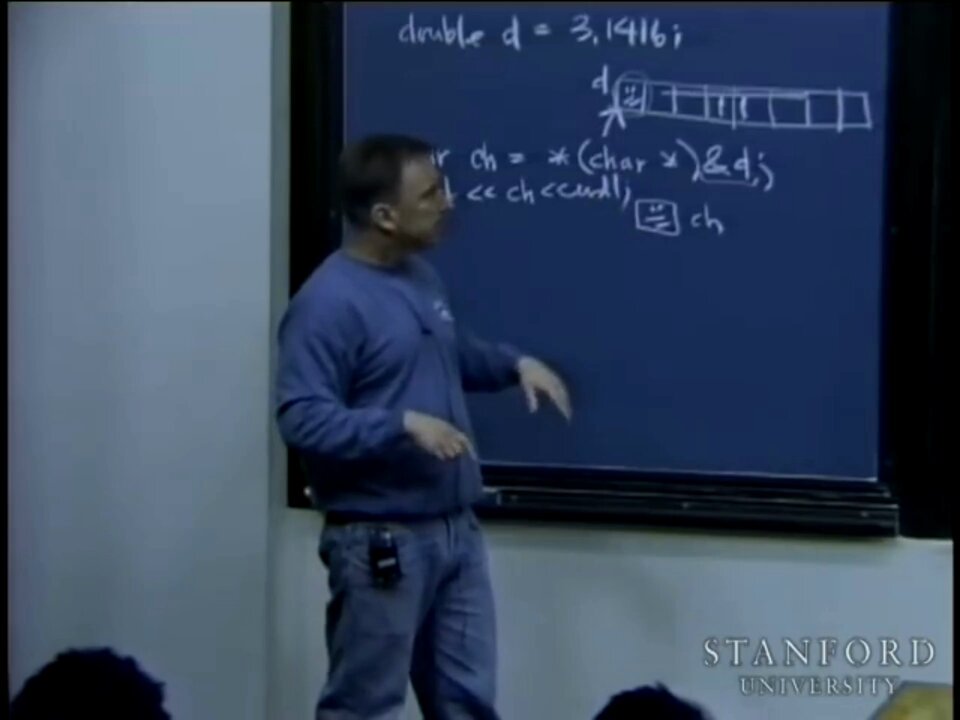
Jerry Cain explains how the stack manages function calls. Source: Professor Jerry Cain, Programming Paradigms, Stanford (CS107):

452,683 views • 1 year ago •via X (Twitter)
11 Comments

That's a complex and confusing explanation for a simple concept.

Decode the labor market! Learn how to track jobless claims using FRED and Python in my latest free Substack post. 📈 A must-read for data enthusiasts & economists. Dive into how data insights can shape your understanding of the economy.

I think we should collaborate and make a complete archive of lectures that lead to a certain path, since, you are into these too

You should post this one at 1x speed and edit out less.
Jerry cain, the kingmaker of core programming and dynamic processing, just ignore his silly mistakes 😅

Does the video speed normal? Looks like *2 for me.

Thank you so much for this group and these videos. As a C/ASM dev, I often think I'm alone, then I remember there are other people like me in this group :)

this one was beyond my current knowledge level 🤔👍

I wonder who is gonna notice the potential vuln.

My bad, I understood absolutely nothing
Yeah, I think his point is that with each function call the locals of the previous function go out of scope but can be accessed again upon return(). Obvious, or is he saying something else