Video wird geladen...
Video konnte nicht geladen werden
🚨 Joe Rogan speaks on the missing scientists related to advanced technology “People have to understand this missing scientist thing. It sounds a little conspiratorial. It sounds a little silly, a little tinfoil hatty. Until you start thinking about the amount of money that would be lost if a... show more

221,788 Aufrufe • vor 4 Monaten •via X (Twitter)
0 Kommentare
Keine Kommentare verfügbar
Kommentare vom Original-Post werden hier angezeigt

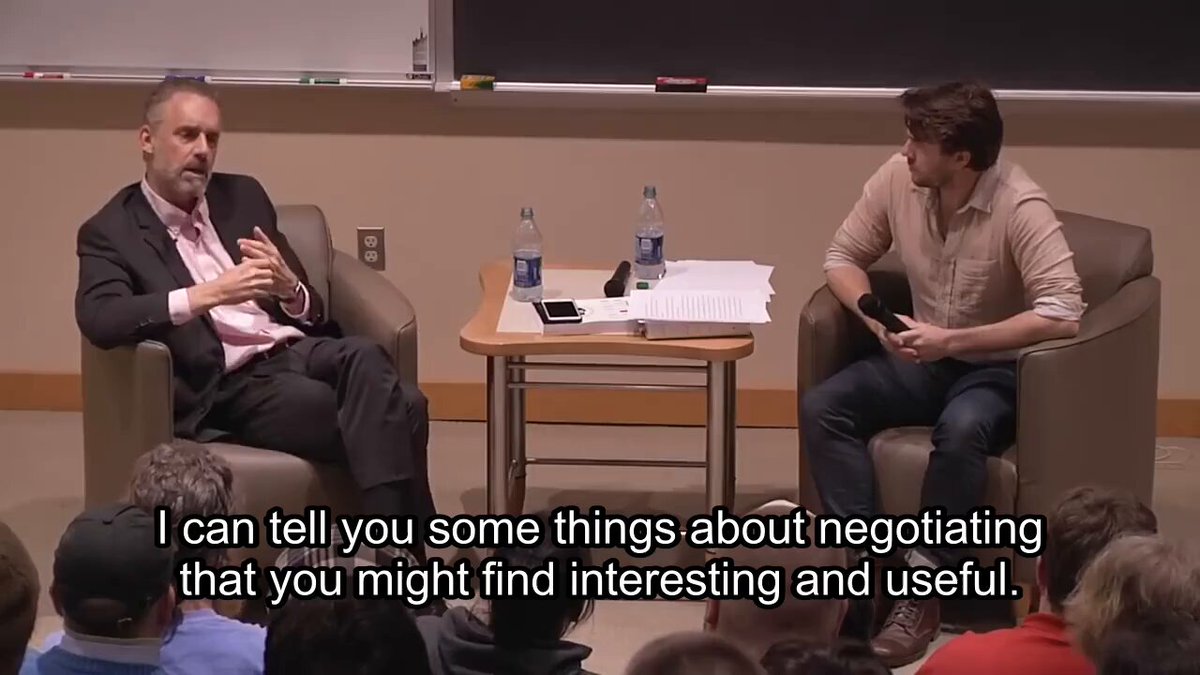
![Alice Schroeder: "[Warren Buffett] uses his business concepts interchangeably with the way that he lives." "He once said to me, 'If you want to go on that round-the-world trip, it's going to be more valuable to you when you're 40 than when you're 70. But when you're 20, delayed gratification is a great idea. You should be working really hard because your time is going to be more valuable to you when you're 40 than when you're 20.' That's kind of a mathematical concept that I would never have thought of — but that's how he thinks." (Microsoft Research || 2008)](https://image.24vids.com/tw-2077131016637120853/amplify_video_thumb/2077040209347170304/img/dPKBq7cM4pdcf0NM.jpg)

![Peter Lynch: “The key thing is that when the stock goes from $10 to $6, if you understand what they do and you know they're financially solvent, you're fine. If you don't understand [the business], you're probably going to do the wrong thing.”](https://image.24vids.com/tw-2080829888588632487/amplify_video_thumb/2080829851502563328/img/BCALUx_t2b6HVa_9.jpg)


![Warren Buffett: "If you're going to do dumb things because a stock goes down, you shouldn't own a stock at all." "Some people are not emotionally or psychologically fit to own stocks — but more of them would be if [they understood that] you're really buying part of a business."](https://image.24vids.com/tw-1896218837777101279/ext_tw_video_thumb/1896217261565747200/pu/img/TGj1R4DEj6F_vrlQ.jpg)