Loading video...

Video Failed to Load

Go Home

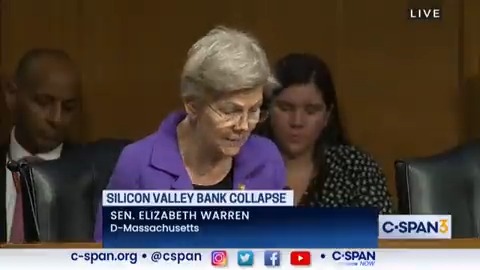
Journalist Ryan Grim breaks down the CFPB's clash with Silicon Valley over the "non-bank" designation and avoiding banking regulations: "Why would he single out this one thing... you also most definitely cannot do? What does it mean to designate something as non-bank? Well, Silicon Valley is trying to make...

40,980 views • 1 year ago •via X (Twitter)

5 Comments

Intrepid News's profile picture
Intrepid News1 year ago

@lwoodhouse @ryangrim It only matters is musk wants FDIC insurance, otherwise he is controlled by the state the bank operates in. I don’t think he wants to be a bank, I think he wants to provide financial services like PayPal or visa does. Those aren’t banks either.

Breakout's profile picture
Breakout1 year ago

Don’t risk Your personal account— Secure Your Capital Today with Breakout

Zygett's profile picture
Zygett1 year ago

@ryangrim Yawn.

Maniac's profile picture
Maniac1 year ago

@ryangrim Your reporting is as grim as your name..wanker

Michael S's profile picture
Michael S1 year ago

@ryangrim Leftists think you can make a million regulations and there is no downside to doing this. Yeah some regulations are good but they are hurdles to innovation. It's ridiculous to regulate every fin tech startup like Bank of America. I'm not going to have my life savings in X.
Related Videos

Investing in Treasury Bonds. I have been tasked to respond to this misinformation video doing rounds by CEPA and Louis on his constant misinformed attack on Treasury Bond Investing. Investing in Unit Trusts is indirectly investing in Treasury bonds. The best advantage they offer you is automatic compounding and ease access to your money if and when needed. They don't offer you any bargaining power, since they buy bonds as a Manager on their book and allocate you your return which has averaged 11-12% vs Bonds offering above 13% per annum. It has been proven over and over Direct Investment in Treasury bonds will yield a higher return than investing in Unit trusts (However both products are needed). He talks of Bank of Uganda as the issuer of Treasury bonds. Indeed, he forgets to add on one statement, on behalf of Government of Uganda (Treasury Department of Ministry of Finance tasked with Debt Management). Bank of Uganda is Government's Bank. But this is not unique to Uganda alone. Below countries use their central bank to offer and sale and manage the Treasury bond Market. India: Reserve Bank of India Japan: Bank of Japan Nigeria: Central Bank of Nigeria Kenya: Central Bank of Kenya Ghana: Bank of Ghana Tanzania: Bank of Tanzania South Africa: South African Reserve Bank Australia: Reserve Bank of Australia Canada: Bank of Canada New Zealand: Reserve Bank of New Zealand Sweden: Sveriges Riksbank Norway: Norges Bank Denmark: Danmarks Nationalbank Finland: Bank of Finland Switzerland: Swiss National Bank South Korea: Bank of Korea This information is verifiable and Louis Kizito knows it. He keeps on talking No Investor Protection because the Bank of Uganda is the ultimate manager of the CSD System. I once asked him, when you Invest in a Fixed deposit with a Bank, do they give you their banking system to go and run it at your home, or with his new found angle of Unit trust, when I invest in a Unit trust, does the fund manager now give me their system and I be the executor of it? The CSD is an infrastructure run and managed by Bank of Uganda and its the best positioned entity to run it, and all investors get their holding statement every single time the same way they get bank statements any at point in time. This is a custody infrastructure with settlement features, who better to run it than the organization entitled to issuing the Bonds on behalf of Government? What risk would materialize if the CSD system is to stay where it is? or move to another entity? He talks about Over the counter trading in Treasury bonds, what he ignores is, for retail investors, we are encouraged to buy from the Primary market auctions in a non-competitive way which is the similar practice world over, anyone who wants to set their price especially with more money, you are welcome to, how is it this a blame for the current system? In a bid to promote a private Members bill which is actually good for our market, he is soiling the same industry that he wants to make better creating confusion and uncertainty like as if it's only his ideas that are good for the market.

Kakande Alex

29,205 views • 1 year ago