Загрузка видео...
Не удалось загрузить видео
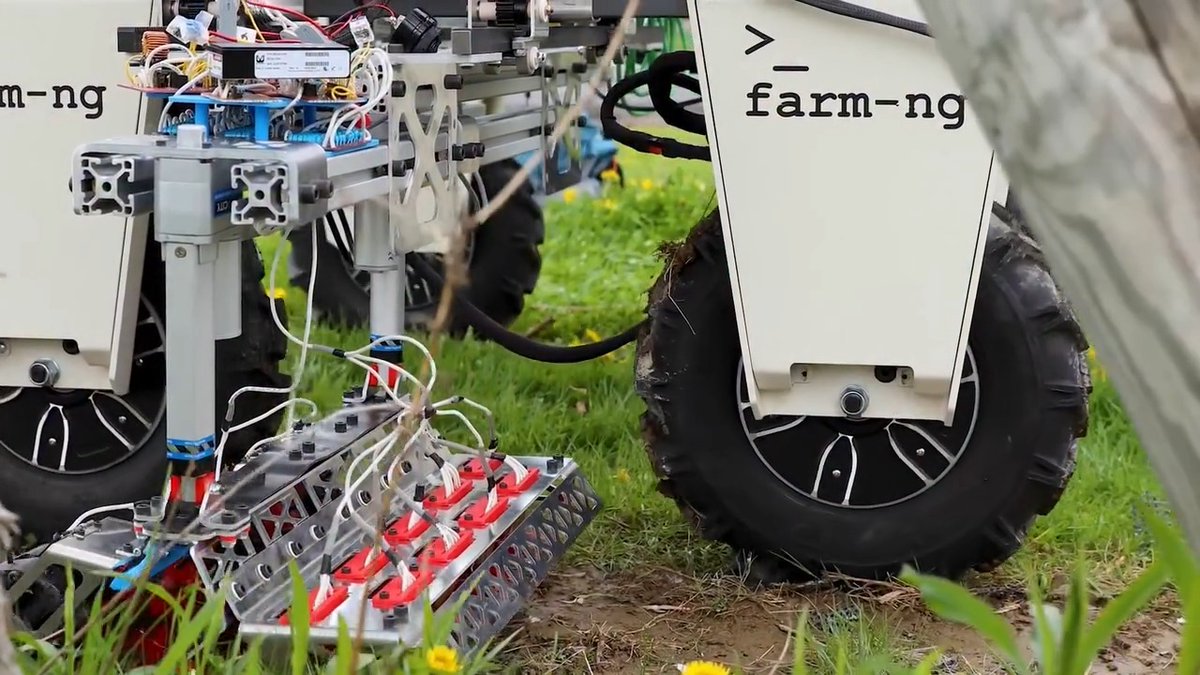
🚨🇺🇸LASER WEED KILLER Carbon Robotics made an autonomous LaserWeeder system that kills 100,000 weeds per hour. Because it uses thermal energy to eradicate weeds, rather than a physical intervention like tilling, the machine doesn't disturb the soil below. That means reduced farm costs, no more herbicides, and, most importantly,... show more

1,236,219 просмотров • 1 год назад •via X (Twitter)
Комментарии: 10

Awesome! But have they done any investigation into any impact the lasers/scanners might have on the cellular development of the crops? I’m all for ditching poisonous chemicals for robotics — as long as we’re not exchanging one danger for another.

And would you look at that. Their CTO is a highly skilled Russian native educated in Moscow. Yet he brought his skills and creative abilities to the United states to make America great! With this technology America will be competing at the highest level in agriculture.

Can I get a micro version of that in the spring please?

Weed Killer Robot

That is amazing. Where are all the farm hands screaming “took our jerbs” 😂

We know how lasers can burn things. In this case it would be interesting to know how the system identifies what needs to be burned vs saved.

Where have i seen this before? This can only lead to one thing.....

Can we please have one of these in a residential size for yards!? Wow!!!

Someday the drones will be able to do that to independent thinkers.

Carbon Robotics' LaserWeeder uses AI, computer vision, and lasers to identify and eliminate weeds. High-resolution cameras capture images of the field, and an onboard supercomputer identifies weeds among crops. Lasers then target the weeds' meristems with thermal energy, killing them without disturbing the soil or using chemicals. This system can kill up to 200,000 weeds per hour, offering an eco-friendly alternative to traditional weeding methods. It's effective across over 100 types of crops, including onions, carrots, and leafy greens. The technology not only reduces weed management costs by up to 80% but also increases crop yield and quality by minimizing herbicide use.