Loading video...
Video Failed to Load
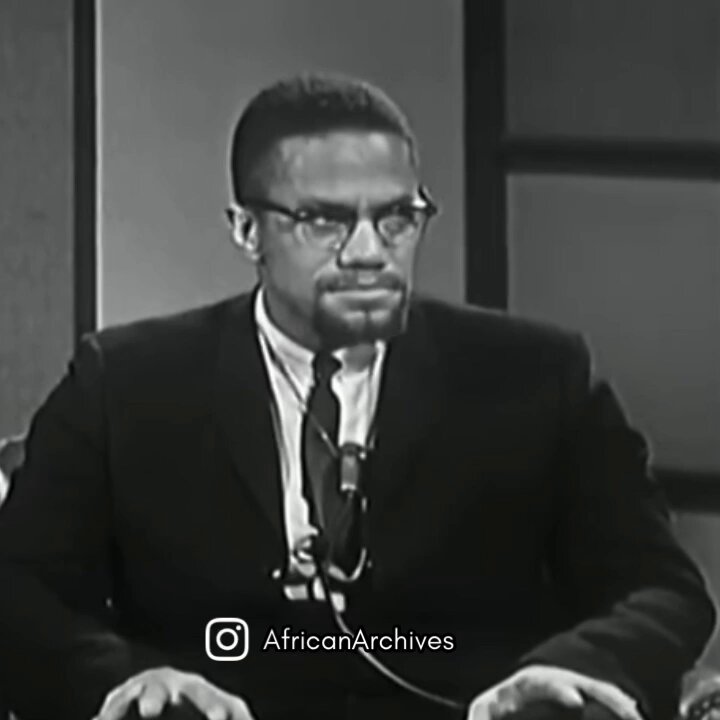
Malcolm X interview, 1965.

148,129 views • 1 year ago •via X (Twitter)
10 Comments

Stan Bernard Interviews Malcolm X (February 18, 1965).
After Ali converted to Islam in 1964, he changed his name to Muhammad Ali. Malcolm X, one of the most well-known American figures at the time, developed a close relationship with the boxer and began to mentor and advise him.

Even Malcolm X called himself out on his old stances later in life. He realized he was alienating people who genuinely wanted to help and he cut out much of the race baiting nonsense. Mecca changed him.

And if he'd grown up and paid attention?

I remember growing up and thinking/learning that MLK Jr. was the good guy and Malcolm X was the bad guy. Turns out, they both were the good guys, and they got killed by the bad guys.

"I'm for truth, no matter who tells it. I'm for justice, no matter who it's for or against." - Malcom X

Malcom X speaking in LA April 27th 1962.

Malcolm X was a powerful and influential civil rights leader who advocated for black empowerment, self-defense, and the fight against racial injustice.

After rewatching this show Dewey seems to be actually smarter than Malcolm

Malcolm X's 1965 interview, conducted shortly before his assassination, is a powerful reflection on racism, U.S. foreign policy, and civil rights. In the interview, he criticized U.S. involvement in the Congo and Vietnam, labeling it as criminal and oppressive. He highlighted the importance of self-defense and empowerment within the African American community, rejecting non-violence as the sole strategy. Malcolm X also discussed the need for Black Americans to redefine their image and take proactive steps against
Related Videos




George Lincoln Rockwell interview with CBC in 1965.
Hyperborean Slav 🇭🇷 ᛉᛏ
531,591 views • 1 month ago


