正在加载视频...

视频加载失败

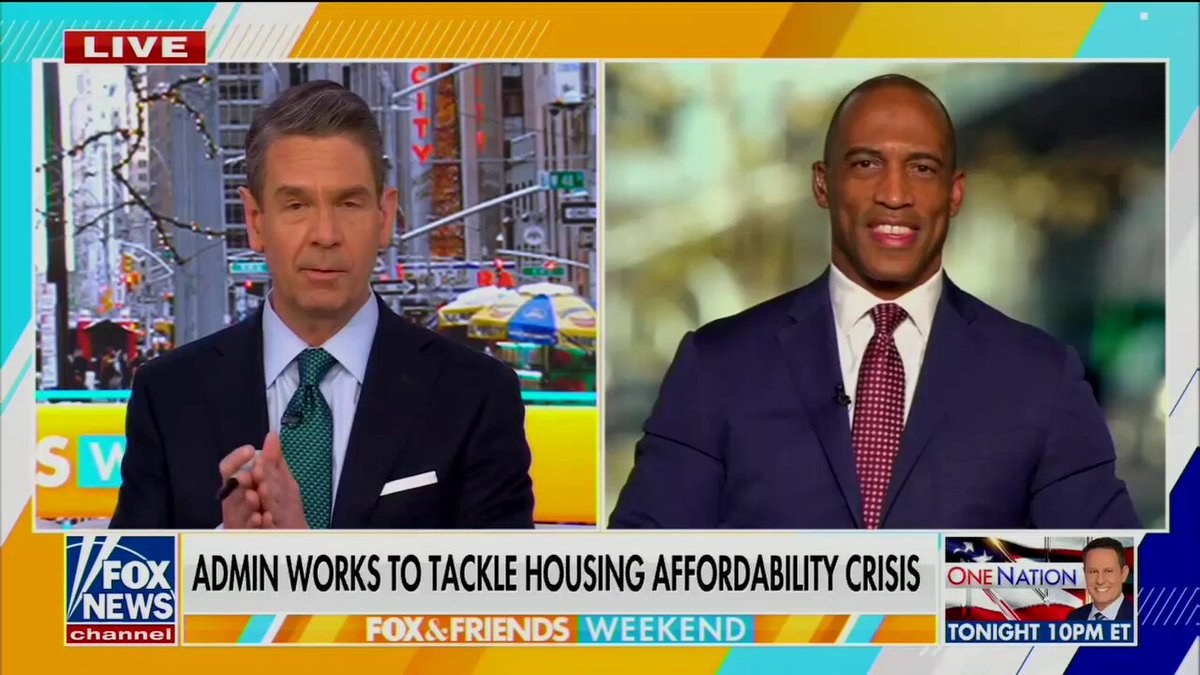
Maxine Waters is wrong. Here the proof: 1. Harvard Joint Center for Housing Studies – Analysis of the recent immigrant surge finds that immigration (documented + undocumented) added significantly to pandemic‑era household formation and housing demand, especially in certain metros, putting upward pressure on rents and prices. 2. Congressional...

13,585 次观看 • 5 个月前 •via X (Twitter)

0 条评论

暂无评论

原始帖子的评论将显示在这里

相关视频

Is the boom going to bust? “The 1988 Australian property boom saw national home values surge by a record 31.2%, making it one of the largest single-year value spikes in the country's recorded real estate history. This massive growth occurred despite aggressive economic conditions, with home loan interest rates hovering near 15% and rising. Why the 1988 Boom Happened: •The 1987 Stock Market Crash: Global stock market instability caused a massive shift in capital, with investors pulling money out of the share market and pouring it directly into Australian real estate. •Negative Gearing: After a brief period where the tax break was abolished, negative gearing was reinstated in 1987, heavily incentivizing property investment. •Credit Deregulation: Following the floating of the Australian dollar, the deregulation of the banking sector and the licensing of foreign banks made loans much more accessible, driving up auction bids.” •••••••••• This is an insightful clip from the ABC 1988 when house prices shot up dramatically for the reasons listed above. I’m old enough to remember that “property boom” as it was my first year out of school and my brother had bought a unit in Auchenflower for $62,500 which seemed like a lot of money at the time. The boom forced the RBA into raising the cash rate to 17.5% by 1990 causing a severe recession unemployment to hit 10%. Immigration was also curtailed as a result of the housing boom. Immigration dropped from around 150,000 to less than 100,000 by the mid 90’s. The decrease was partly due to the Fitzgerald Immigration Report released in 1988 that called for stricter immigration controls. He was not called a racist. Housing debt and immigration is much higher today whilst the cash rate is much lower at 4.35%. House prices eased by 8% in the early 1990’s. Time will only tell what happens to housing prices going forward but it’s a very important indicator that is going to determine that future prosperity of our nation.

Gerard Rennick

14,610 次观看 • 2 个月前

Lagos is one of the fastest-growing cities in Africa, and with its rising population comes an increasing demand for decent and affordable housing. For years, this demand has outpaced supply, contributing to a housing crisis that pushes many residents into overcrowded areas and expensive rent markets. But the ongoing housing projects across the state are gradually shifting that narrative. With developments like this new 233 housing units at Abraham Adesanya Housing Estate in Ajah and the recently commissioned 420-unit Akinsanya Sunny Ajose Housing Estate in Ajara, the Lagos State Government is not just increasing housing stock—it is creating real opportunities for more residents to become homeowners. One of the most impactful ways this is happening is through state-subsidized housing schemes, where the government partners with private developers to reduce construction costs, making the final price more accessible to middle- and lower-income earners. These initiatives help bridge the affordability gap that stops many Lagosians from owning homes. Beyond building houses, Lagos state is setting a standard for structured urban development, accountability, and public–private collaboration. Lagos is proving that with the right policies, political will, and consistent investment, African cities can take bold steps to address housing shortages and give citizens a pathway to ownership and dignity. Eko ò ní bàjẹ́. #lagos #lagosnigeria #housingestate #ajahlagos

Ed Wonder

15,771 次观看 • 8 个月前

“If you want to remove illegal foreign nationals, don’t involve the youth. Use your own children,” says South Africa’s Minister of Sport, Arts and Culture, Gayton McKenzie, as he warns against involving young people in planned action against undocumented migrants on June 30. He argues that immigration enforcement is the responsibility of law enforcement authorities, not civilians or community groups. Gayton McKenzie is one of the most prominent examples of a South African politician who has successfully leveraged immigration and anti-illegal immigration sentiment to build a national political profile. His tough rhetoric on illegal immigration helped distinguish him from larger parties and resonated with sections of the electorate frustrated by crime, unemployment, and weak border controls. The issue became a central pillar of the Patriotic Alliance’s campaigning, particularly in urban areas where concerns about migration were politically salient. He popularised the #Abahambe slogan, a Zulu phrase that translates roughly as “they must go” or “let them leave.” The slogan became closely associated with calls for the removal of undocumented migrants from South Africa and helped elevate immigration as a major political issue in public discourse. Supporters viewed it as a demand for stronger immigration enforcement, while critics argued that it risked fuelling anti-immigrant sentiment and hostility towards foreign nationals.

Hopewell Chin’ono

93,233 次观看 • 1 个月前