Loading video...

Video Failed to Load

Go Home

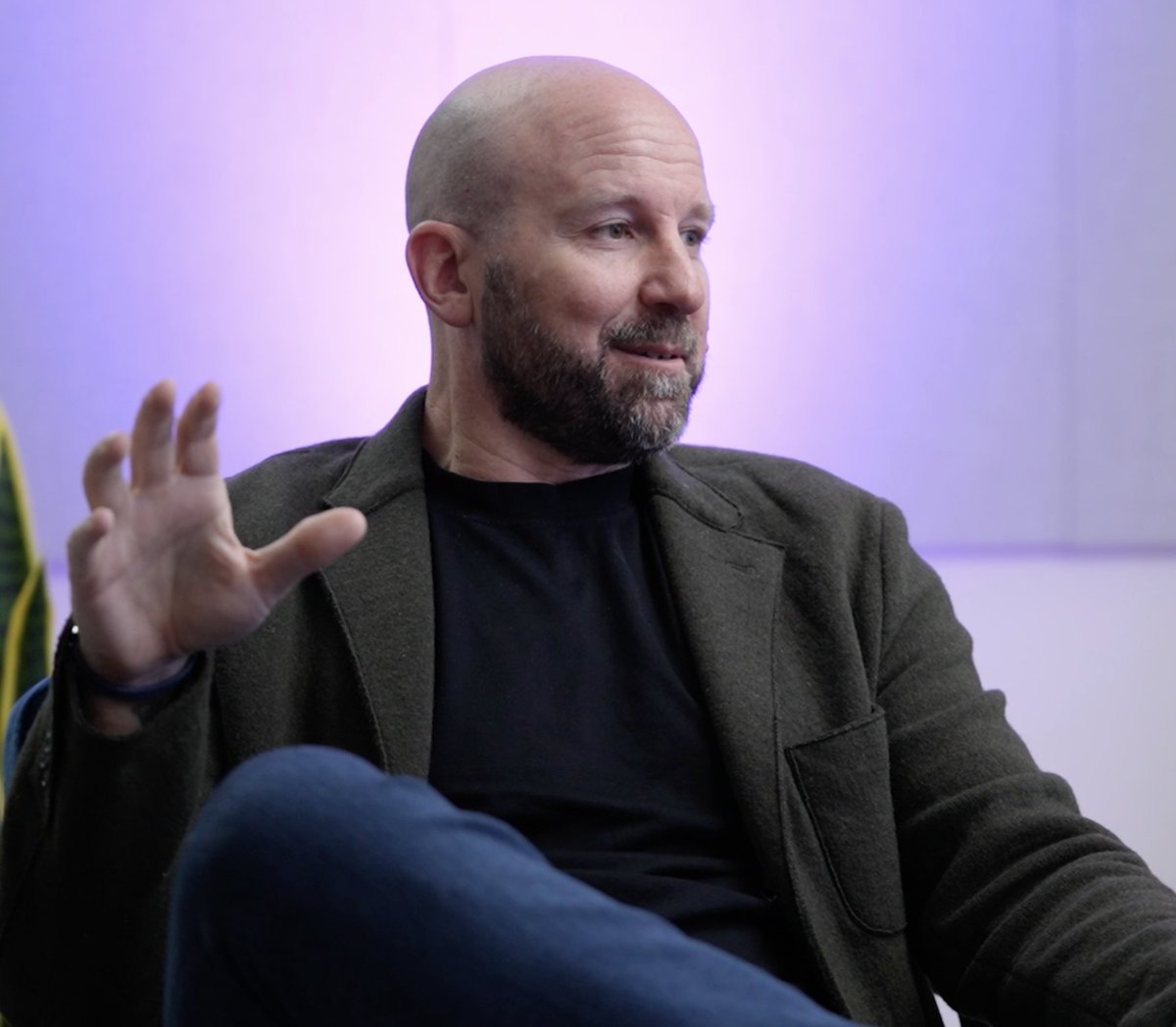
"Maybe the right UI for AI is a generative UI." Here's my new interview with Stephen Chau featuring a live demo of Cove's ground-breaking visual AI interface that breaks free from chatbots. We had a great chat about: - Real world use cases for visual AI interfaces - Generative...

74,682 views • 1 year ago •via X (Twitter)

4 Comments

Peter Yang's profile picture
Peter Yang1 year ago

Also available via newsletter: Try Cove for free here:

The Rundown AI's profile picture
The Rundown AI2 years ago

AI won't replace you, but a person using AI will. Join 500,000+ readers and learn how to use AI in just 5 minutes a day (for free).

Stephen Chau's profile picture
Stephen Chau1 year ago

@TryCoveAI Thanks for the fun conversation @petergyang! Hope you have a good trip to Japan 😊

MondoArt's profile picture
MondoArt1 year ago

@TryCoveAI I was puzzling out a problem and it led me to Cove and your interview with Stephen.... oh my.


Related Videos

AI instead of UI The last few years radically changed how we think about digital products & product design process in general. What we are witnessing right now is a transition where AI is no longer just a feature; it is becoming the infrastructure of interaction. For decades, UI design was rooted in the concept of “Happy Path,” a series of static, linear screens (routes from A to B) designed to funnel users toward a goal. This “one-size-fits-all” approach assumes that all users have the same mental model, which is far from the truth. The rise of AI tools like ChatGPT and Gemini is showing that we are moving into an era of Generative Interfaces. Instead of a designer pre-determining every button and menu, the interface is synthesized in real-time based on user actions. Back in 2019, Gleb Kuznetsov and I were working on the concept of morphing Interface, the idea of a UI that adapts its structure based on user intent. The great thing about this UI is that it was highly dynamic: different users saw different content/contextual actions based on their behavior. This concept was crazy in 2019, but it is highly relevant to the modern state of the product design process. And I strongly believe that it represents the future of UI design. We will move beyond the “AI chatbox" crutch Yes, many products today treat AI as a sidecar (think of Copilots or chatbots pinned to the side of a traditional dashboard), but this is a transitional phase. Why? Because adding a chat window to a 20-year-old software layout is like putting a jet engine on a horse-drawn carriage. That's why the future isn't "AI as an add-on"; it is AI as the Operating System. AI will power generative interfaces that are rooted in anticipatory design: UI won’t wait for a command; it will surface tools based on the user's current environmental context and historical behavior. This evolution changes the very nature of product design, and we will move away from designing pages/screens and toward designing systems of logic.

Nick Babich

53,320 views • 5 months ago

The AI business model is undergoing a transformation. For the last few years, the playbook was simple: put an AI wrapper on a SaaS product and sell it by the seat. That era is ending. The new wave of AI companies are moving beyond simple subscriptions and embracing a more sophisticated approach tied directly to value creation. Here’s what’s changing: 💰 From Seats to Spend: The most forward-thinking companies are shifting to usage-based and outcome-driven pricing. Think less about how many people use the AI and more about what the AI does. This includes new revenue streams like "agentic checkout" on ChatGPT, where AI agents complete purchases and transactions directly within a chat interface. The closer the AI is to the dollar, the more value it captures. 🎙️ From Text to Voice & Video: The interface for AI is becoming more human. Voice is mainstream (Sierra for support, Listen Labs for market research). The next frontier is video, where AI will see, understand, and interact with the world in real-time. The keyboard is no longer the only way to talk to a machine. 🤖 From Advisors to Actors: Early AI copilots gave advice. The next generation takes action. These agents aren't just suggesting what to do; they are executing complex workflows that directly impact the metrics that matter: boosting conversion, reducing average handle time (AHT), improving NPS, and cutting churn. This is about moving from passive assistance to active problem-solving. The common thread? A relentless focus on tangible ROI. We’re incredibly bullish on founders who understand this shift and are building companies that align their success with the success of their customers. The future of AI isn't just about intelligence; it's about impact.

Konstantine Buhler

24,868 views • 9 months ago