Загрузка видео...

Не удалось загрузить видео

На главную

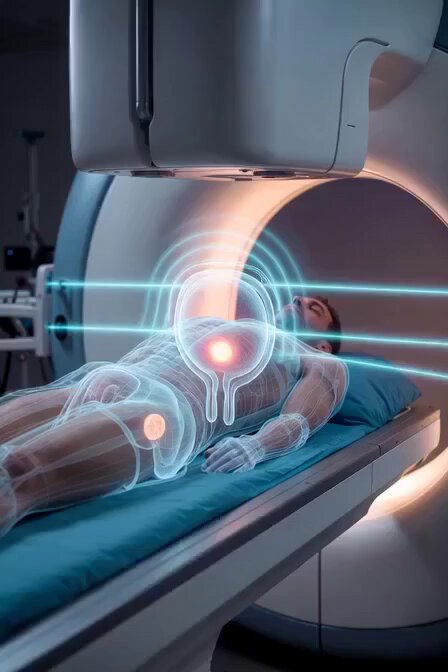
Medical innovation: Apollo Cancer Centres introduces ZAP-X, a breakthrough gyroscopic radiosurgery platform and one of the world’s most advanced technologies for treating brain tumours without surgery. As South Asia’s first centre to offer ZAP-X, Apollo brings a new level of precision, comfort, and safety to radiosurgery. ZAP-X uses a...

635,501 просмотров • 6 месяцев назад •via X (Twitter)

Комментарии: 0

Нет доступных комментариев

Здесь появятся комментарии из оригинального поста
Похожие видео

After a year of intensive research, Dr. William Makis presents the most crucial graph of his career: the ivermectin dosing schedule for cancer. Dr. Makis recommends a starting dose of 1mg per kg of body weight per day for most cancers, including breast, colon, lung, pancreatic, renal, gastric, and leukemias. For a 60kg individual, this translates to 60mg daily, which can be taken as: - Five 12mg pills - Or 6ml of liquid (approximately one teaspoon plus 1ml) The evidence supporting the efficacy of ivermectin is compelling and dose-dependent. - Dr. Shankara Chetty observed a significant drop in a prostate cancer patient’s PSA from 89 to 11 after taking 45mg/day. - Dr. Tess Lawry’s case study showed a remarkable decrease in CA125 (an ovarian cancer marker) from 288 to 22 after just 0.2mg/kg. - A long-term Castro study on children with leukemia demonstrated no side effects after 6 months at a dose of 1mg/kg. For aggressive cancers like pancreatic and brain cancers, a higher dose may be necessary due to the blood-brain barrier. Dr. Makis cites examples: - Dr. Landrito’s colleague with terminal gallbladder cancer experienced the disappearance of cancer after 14 months at a dose of 2mg/kg/day. - The highest documented dose is 2.5mg/kg, as reported by Dr. Chetty, with only transient visual side effects that resolved. Mainstream oncology is unlikely to offer this treatment due to ivermectin’s generic, off-patent status and unprofitable nature. Consequently, there are no funded clinical trials. Dr. Makis concludes that using ivermectin in cancer treatment is straightforward and highly safe. He strongly suggests that those struggling with cancer should start with a dose of 1mg/kg/day. This can be taken for several months, even over a year, with an excellent safety profile based on long-term anecdotal evidence. The power to fight cancer may already be within your reach.

Commentary | Global Ivermectin Research Hub

101,825 просмотров • 4 месяцев назад

WHO delivers health supplies to Al-Shifa Hospital, appeals for continued access to address urgent needs in north #Gaza WHO staff participated in a joint UN mission to Al-Shifa Hospital in north Gaza on 16 December to deliver health supplies and assess the situation in the facility. Partners on today’s mission included OCHA, UNDSS, and UNMAS. The team delivered medicines and surgical supplies, orthopedic surgery equipment, and anesthesia materials and drugs to the hospital. Al-Shifa Hospital, currently minimally functional, needs to urgently resume at least basic operations to continue serving the thousands in need of lifesaving health care.Once the most important and largest referral hospital in Gaza, Al-Shifa now houses only a handful of doctors and a few nurses, together with 70 volunteers, working under what WHO staff described as “unbelievably challenging circumstances" and calling it a “hospital in need of resuscitation.” The operating theatres and other major services remain nonfunctional due to a lack of fuel, oxygen, specialized medical staff, and supplies. The hospital is only able to provide basic trauma stabilization, has no blood for transfusion, and hardly any staff to care for the constant flow of patients. Dialysis is being provided to approximately 30 patients a day, with the dialysis machines operating 24 hours a day, seven days a week, using a small generator.The team described the emergency department as a “bloodbath”, with hundreds of injured patients inside and new patients arriving every minute. Patients with trauma injuries were being sutured on the floor, and limited to no pain management is available at the hospital. WHO staff said that the emergency department is so full that care must be exercised to not step on patients on the floor. Critical patients are being transferred to Al-Ahli Arab Hospital for surgeries. Tens of thousands of displaced people are using the hospital building and grounds for shelter. A multi-pronged humanitarian response is needed to provide them with food, water and shelter. Many of them asked our team to tell the world what is happening in the hope that their suffering might soon be eased. Al-Shifa Hospital continues to experience a severe shortage of food and safe water for health workers, patients, and displaced people. This reflects grave and growing concerns around persistent hunger across the Gaza Strip, and the consequences of malnutrition on people’s health and susceptibility to infectious diseases. WHO is committed to strengthening Al-Shifa Hospital in the coming weeks, so that it can resume at least basic functionality and continue to provide the lifesaving services that are needed at this critical time. Up to 20 operating theatres in the hospital, as well as post-operative care services, can be activated if provided with regular supplies of fuel, oxygen, medicines, food, and water. Substantial additional specialized medical, nursing and support staff, including emergency medical teams, are also urgently needed.Currently, Al-Ahli Arab Hospital remains the only partially functional hospital in north Gaza, along with three minimally functional hospitals—Al-Shifa, Al Awda and Al Sahaba Medical Complex—down from 24 before the conflict. WHO is also gravely concerned about the unfolding situation at Kamal Adwan Hospital and is gathering information urgently. As hostilities continue and health needs across the Gaza Strip increase, Al-Shifa Hospital, a cornerstone of Gaza’s health system, must be urgently restored so that it can serve besieged people trapped in a cycle of death, destruction, hunger, and disease.

World Health Organization (WHO)

128,115 просмотров • 2 лет назад

Medical pioneer Dr. Patrick Soon-Shiong unveils a paradigm-shifting approach to cancer treatment that could save millions of lives. In an interview, he revealed we already have the key: protecting the immune system FIRST. The current standard of care—chemotherapy and radiation—often destroys a patient’s lymphocytes (NK & T cells), leading to a condition called lymphopenia. For decades, over 300 studies have shown that lymphopenia predicts early mortality, not just in cancer, but in sepsis and trauma. We treat anemia, but we’ve NEVER had an approved treatment for this critical immune deficiency. Until now. Dr. Soon-Shiong’s “Bio-Shield” is that breakthrough. It’s already approved, and the results are profound: Prostate cancer patients treated with the Bio-Shield before radiation achieved complete remission while their lymphocytes were protected. An ovarian cancer patient received the full, brutal course of chemo after the Bio-Shield. Her cancer disappeared, and she proceeded to surgery with a protected immune system. The vision is simple, yet revolutionary: Mandate that ANY patient undergoing radiation or chemotherapy first receives the Bio-Shield to protect their immune system. The treatment isn’t just attacking the cancer; it’s fortifying the body’s own innate ability to fight and survive. The call to action is clear. We don't need to wait for new regulatory hurdles. We need immediate education for doctors and patients across the nation. We have the power to turn the tide. This is the future of medicine: treating the patient's immune system as the most valuable asset in the fight for their life.

Camus

38,936 просмотров • 10 месяцев назад

CANCER IS REAL BUSINESS Dr. Stanislaw Burzynski's unconventional cancer treatment has sparked intense debate. His Antineoplaston therapy has inspired hope in some, but the medical mainstream remains skeptical. Devotees see him as a visionary, while detractors dismiss him as a quack. The controversy raises important questions about the future of cancer treatment. Can conventional and alternative approaches find common ground? How can we balance innovation with rigor and oversight? The answers will have far-reaching implications for patients and the medical community. The debate around Dr. Stanislaw Burzynski's cancer treatment is complicated by the FDA's involvement. Critics argue that the agency's oversight has hindered Burzynski's efforts, citing instances of bureaucratic delays and stringent regulations that can slow down the approval process for new treatments. Some claim the FDA's stance is influenced by a preference for conventional therapies and pressure from the pharmaceutical industry, suggesting the agency's actions are more about protecting established interests than safeguarding patients. However, others believe the FDA is fulfilling its role of ensuring treatments meet high safety and efficacy standards. They assert that Burzynski's methods have yet to be convincingly validated and express concerns about potential risks associated with his treatment. The reality may be somewhere in the middle. While the FDA aims to protect patients, its approach can sometimes be perceived as overly strict. Finding a balance between promoting innovation and maintaining robust oversight is key to offering patients safe, effective cancer treatments while also fostering progress in medical research.

Teaᡣ𐭩

125,284 просмотров • 2 лет назад

🚨BREAKING: ICE agents illegally rammed a U.S. citizen’s car, dragged him out, hospitalized him, and then handcuffed him to a hospital bed with no charges… AGAIN. This is the same man they targeted back in October, when I shared a video showed ICE ramming his car, and the lying about a crash they caused. Now they’re doing it again… In the video, ICE agents, in unmarked vehicles, blocked his car and rammed it while he was trying to leave… They used their vehicle as a weapon to force stop a U.S. citizen, AGAIN. They smashed his window, dragged him out, and threw him to the ground, even though he wasn’t resisting. But it gets worse… They then took him to the hospital, and kept him handcuffed to a bed, while masked “federal contractors” stood guard with no identification, no charges, and no explanation. His lawyers tried to reach him and were physically shoved and denied access. Detaining someone without charges, denying access to an attorney, using force without justification, and operating without identification, are violations of basic constitutional rights. And the hospital went along with it… Allowing unknown men to keep someone restrained without verifying who they were, or why he was being held. And if this sounds familiar, it should. The first time this happened, in October, ICE tried to claim he caused the crash, and video proved they were lying. Now, they’re escalating against the same target, and still no accountability. He’s a U.S. citizen. They rammed his car, detained him without cause, blocked his lawyers, held him in a hospital like a prisoner… and then released him with no charges, because there were none. That’s the system they’re building… one where the law doesn’t matter, your rights don’t matter, and they can injure you, detain you, and walk away like nothing happened.

Jesus Freakin Congress

94,886 просмотров • 4 месяцев назад

As His Excellency President Bola Ahmed Tinubu, GCFR, Bola Ahmed Tinubu marks the midpoint of his first term in office, I am honoured to announce the most ambitious investment in cancer care ever undertaken by a Nigerian administration: the establishment of West Africa’s Ecowas - Cedeao largest network of oncology and diagnostic centres. This milestone initiative will train up to 500 clinicians over the next three years and is projected to serve approximately 2,000 oncology patients and 350,000 diagnostic clients annually. In the coming days, three newly built cancer centers — there would be a total of six — at the Federal Teaching Hospital, Katsina Federal Teaching Hospital, Katsina; the University of Nigeria Teaching Hospital, Nsukka University of Nigeria Teaching Hospital (UNTH); and the University of Benin Teaching Hospital University of Benin Teaching Hospital will be formally commissioned by Mr. President and opened for public access—ushering in a new era of specialised care across the country. To ensure seamless and sustained operations, key institutional personnel are currently undergoing advanced clinical and technical training in South Africa. Simultaneously, the National Health Insurance Authority NHIA NIGERIA, has launched a targeted cost-sharing programme to expand access to cancer treatment. Under this initiative, eligible disadvantaged patients undergoing radiotherapy may receive subsidies of up to N400,000—significantly easing the financial burden on families and improving treatment adherence. Guided by the compassionate and reform-driven leadership of President Tinubu, and in full alignment with the Renewed Hope Agenda #RenewedHope, we are dismantling longstanding barriers—both on the supply and demand sides—to ensure that quality, affordable cancer care becomes a national standard, not an exception. I now invite you to explore these transformative facilities and engage with this special briefing on what they mean for the present and future of cancer care in Nigeria.

Muhammad Ali Pate

50,859 просмотров • 1 год назад