Загрузка видео...

Не удалось загрузить видео

На главную

Meet #HillbotAlpha, the first fully autonomous mobile manipulation robot trained using sim-to-real technology. Designed in Hillbot’s San Diego headquarters, Hillbot Alpha represents the potential of data synthesis via simulation in robotics. Through a robust strategy that combines a small sample of real-world data with synthetic data, Hillbot Alpha can...

13,821 просмотров • 1 год назад •via X (Twitter)

Комментарии: 0

Нет доступных комментариев

Здесь появятся комментарии из оригинального поста

Похожие видео

Robora Sim: A PyBullet-Powered Environment for Learning Robotic Physical Intelligence We are currently building our Robora simulation environment setup for our sim based learning, leveraging PyBullet, an industry-standard physics engine widely used in AI-driven robotics research and development. The environment is optimized with GPU-accelerated learning algorithms, enabling high-speed imitation learning and reinforcement learning within a safe and controlled virtual setup before shipping out to real world. This simulation platform allows our models to learn, adapt, and generalize across different robot morphologies, terrain types and task objectives - all before deployment to the real world. At it's core, the system combines a VLA-powered high-level planner with low-level motion control algorithms, working cohesively to produce emergent, physically intelligent behaviors. This synergy between simulation, learning, and real-world transfer marks a major step forward in our pursuit of adaptive and intelligent robotic systems. Through advanced domain randomization and synthetic data generation, the Robora Simulation Environment ensures that policies trained in simulation transfer effectively to real-world robots, minimizing the sim-to-real gap. Moreover, users will be able to test and integrate their own hardware kits within selected simulation environments in the Robora Dapp, ensuring seamless compatibility and safer real-world implementation.

Robora

23,489 просмотров • 8 месяцев назад

𝗘𝘃𝗲𝗿𝘆𝗼𝗻𝗲’𝘀 𝘁𝗮𝗹𝗸𝗶𝗻𝗴 𝗮𝗯𝗼𝘂𝘁 “𝗣𝗵𝘆𝘀𝗶𝗰𝗮𝗹 𝗔𝗜" - the idea that we can simulate real-world environments so well that robots trained in simulation will work perfectly in reality. 𝗧𝗵𝗲 𝗽𝗿𝗼𝗺𝗶𝘀𝗲: Train in virtual worlds → deploy anywhere. 𝗧𝗵𝗲 𝗿𝗲𝗮𝗹𝗶𝘁𝘆: I’ve seen too many teams fall into this trap. After working with manipulation teams at Berkeley, Imperial, and Dyson, here’s the pattern: • 𝗪𝗲𝗲𝗸 𝟭: “Our policy works perfectly in simulation!” • 𝗪𝗲𝗲𝗸 𝟰: “Why doesn’t this work on real objects?” • 𝗠𝗼𝗻𝘁𝗵 𝟮: “We basically need to retrain from scratch with real data.” 𝗧𝗵𝗲 𝗴𝗮𝗽 𝘀𝗶𝗺𝘂𝗹𝗮𝘁𝗶𝗼𝗻𝘀 𝗰𝗮𝗻’𝘁 𝗯𝗿𝗶𝗱𝗴𝗲: Unlike blind locomotion policies that can get away with sim-to-real transfer because they rely mainly on proprioception and contact forces, 𝘃𝗶𝘀𝗶𝗼𝗻-𝗴𝘂𝗶𝗱𝗲𝗱 𝗺𝗮𝗻𝗶𝗽𝘂𝗹𝗮𝘁𝗶𝗼𝗻 𝗶𝘀 𝗲𝘅𝘁𝗿𝗲𝗺𝗲𝗹𝘆 𝘀𝗲𝗻𝘀𝗶𝘁𝗶𝘃𝗲 𝘁𝗼 𝘃𝗶𝘀𝘂𝗮𝗹 𝗱𝗼𝗺𝗮𝗶𝗻 𝗴𝗮𝗽𝘀. • Real friction vs simulated surface textures • Manufacturing tolerances vs perfect CAD models • Dynamic lighting vs controlled virtual environments • Sensor noise vs instantaneous virtual readings 𝗛𝗲𝗿𝗲'𝘀 𝘄𝗵𝗮𝘁 𝗽𝗲𝗼𝗽𝗹𝗲 𝗱𝗼𝗻'𝘁 𝘁𝗮𝗹𝗸 𝗮𝗯𝗼𝘂𝘁: Building these detailed simulated environments takes forever. If it takes 7 days to build a simulated kitchen in simulation, wouldn't it be better to just collect real-world data in a real kitchen instead? 𝗗𝗼𝗻'𝘁 𝗴𝗲𝘁 𝗺𝗲 𝘄𝗿𝗼𝗻𝗴 - simulation is incredible for debugging, safety testing, and exploring edge cases. But it's not a magic solution to real-world deployment. 𝗪𝗵𝗮𝘁 𝗮𝗰𝘁𝘂𝗮𝗹𝗹𝘆 𝘄𝗼𝗿𝗸𝘀: Use simulation strategically while making real-world data collection as efficient and flexible as possible. This is why Neuracore focuses on streamlined real-world data infrastructure. Because no amount of virtual training can replace understanding how your robot actually behaves in actual environments. 𝗧𝗵𝗲 𝗽𝗵𝘆𝘀𝗶𝗰𝘀 𝗼𝗳 𝘆𝗼𝘂𝗿 𝗱𝗲𝗽𝗹𝗼𝘆𝗺𝗲𝗻𝘁 𝗲𝗻𝘃𝗶𝗿𝗼𝗻𝗺𝗲𝗻𝘁 𝗰𝗮𝗻'𝘁 𝗯𝗲 𝘀𝗶𝗺𝘂𝗹𝗮𝘁𝗲𝗱 𝗮𝘄𝗮𝘆. What’s been your experience with sim-to-real transfer?

Stephen James

25,300 просмотров • 9 месяцев назад

𝗣𝗼𝗽𝘂𝗹𝗮𝗿 𝗼𝗽𝗶𝗻𝗶𝗼𝗻: "𝗝𝘂𝘀𝘁 𝗴𝗲𝗻𝗲𝗿𝗮𝘁𝗲 𝗺𝗼𝗿𝗲 𝘀𝗶𝗺𝘂𝗹𝗮𝘁𝗶𝗼𝗻 𝗱𝗮𝘁𝗮." After working with many 𝗿𝗼𝗯𝗼𝘁 𝗺𝗮𝗻𝗶𝗽𝘂𝗹𝗮𝘁𝗶𝗼𝗻 teams who've fallen into the simulation trap, here's what I've learned: Simulation teaches your robot to be really, really good at simulation. Unlike blind locomotion policies that can get away with sim-to-real transfer because they rely mainly on proprioception and contact forces, 𝘃𝗶𝘀𝗶𝗼𝗻-𝗴𝘂𝗶𝗱𝗲𝗱 𝗺𝗮𝗻𝗶𝗽𝘂𝗹𝗮𝘁𝗶𝗼𝗻 𝗶𝘀 𝗲𝘅𝘁𝗿𝗲𝗺𝗲𝗹𝘆 𝘀𝗲𝗻𝘀𝗶𝘁𝗶𝘃𝗲 𝘁𝗼 𝘃𝗶𝘀𝘂𝗮𝗹 𝗱𝗼𝗺𝗮𝗶𝗻 𝗴𝗮𝗽. The subtle differences accumulate: - Simulated friction vs real surface textures - Perfect lighting vs shadows, reflections, glare - Ideal object geometries vs manufacturing tolerances - Instantaneous sensor readings vs real-world noise and latency - Clean backgrounds vs cluttered, dynamic environments 𝗧𝗵𝗲 𝗰𝗹𝗮𝘀𝘀𝗶𝗰 𝗽𝗿𝗼𝗴𝗿𝗲𝘀𝘀𝗶𝗼𝗻: Week 1: "Our model works perfectly in sim!" Week 2: "Let's collect some real data to fine-tune." Week 3: "The real data completely contradicts what the sim taught..." Week 4: "Okay, let's collect way more real data." Month 2: "We basically need to retrain from scratch." 𝗧𝗵𝗲 𝗽𝗮𝗶𝗻𝗳𝘂𝗹 𝘁𝗿𝘂𝘁𝗵: There's no shortcut to real-world data collection for vision-based manipulation. Simulation is amazing for debugging, prototyping, safety testing, and of course to supplement your real data. But it's not a substitute for understanding how your robot actually behaves in the actual environment. 𝗪𝗵𝗮𝘁 𝘄𝗼𝗿𝗸𝘀: Use simulation strategically - for exploring edge cases, testing safety boundaries, and rapid iteration. But build your production models on real data from real environments. The teams that succeed treat simulation as a powerful tool, not a magic solution. This is why Neuracore focuses on making real-world data collection so much easier and faster. Because the physics of your actual environment can't be simulated away. 𝗪𝗼𝗿𝗹𝗱 𝗺𝗼𝗱𝗲𝗹𝘀, 𝘆𝗼𝘂 𝘀𝗮𝘆? 𝗪𝗲𝗹𝗹, 𝗽𝗲𝗿𝗵𝗮𝗽𝘀 𝗺𝗼𝗿𝗲 𝗼𝗻 𝘁𝗵𝗮𝘁 𝗶𝗻 𝗮𝗻𝗼𝘁𝗵𝗲𝗿 𝗽𝗼𝘀𝘁! 𝗪𝗵𝗮𝘁'𝘀 𝗯𝗲𝗲𝗻 𝘆𝗼𝘂𝗿 𝗲𝘅𝗽𝗲𝗿𝗶𝗲𝗻𝗰𝗲 𝘄𝗶𝘁𝗵 𝘀𝗶𝗺-𝘁𝗼-𝗿𝗲𝗮𝗹 𝘁𝗿𝗮𝗻𝘀𝗳𝗲𝗿? 𝗛𝗮𝘀 𝗶𝘁 𝘄𝗼𝗿𝗸𝗲𝗱 𝗮𝘀 𝘄𝗲𝗹𝗹 𝗮𝘀 𝗲𝘅𝗽𝗲𝗰𝘁𝗲𝗱?

Stephen James

31,009 просмотров • 10 месяцев назад

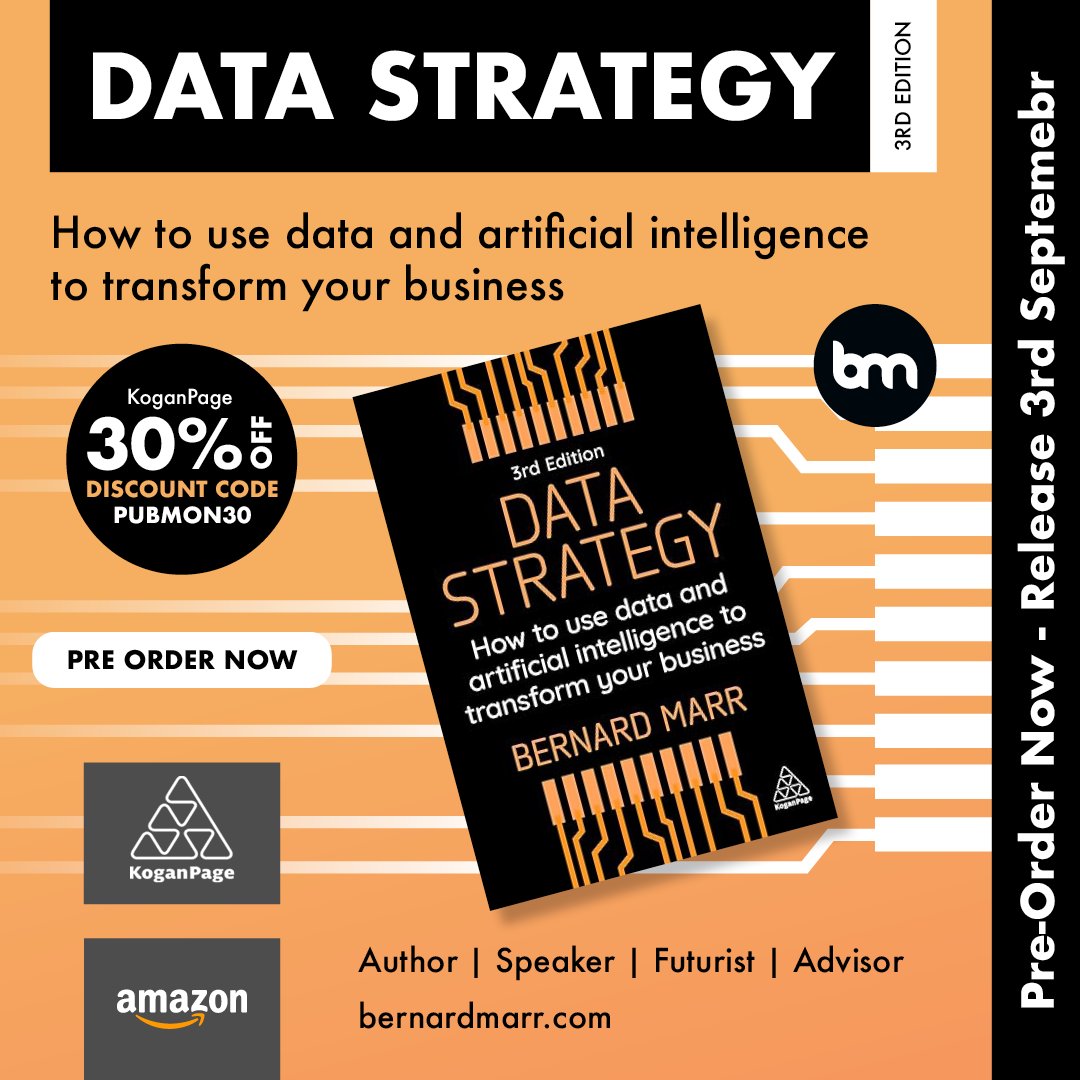
🚀 My New Book is Here: Data Strategy (3rd Edition) 🚀 I’m thrilled to share the release of my latest bestselling book, Data Strategy: How to Use Data and Artificial Intelligence to Transform Your Business. Every business today needs data to survive - but simply having data is not enough. What matters is how you use it. A well-designed data strategy is the key to unlocking value, driving insights, and giving your organisation the competitive edge it needs to thrive in the digital economy. From small organisations to global enterprises, I’ve seen first-hand how a data-driven approach can transform operations, improve decision-making, and unlock entirely new opportunities. That’s why I’ve poured my experience into this book — to help leaders and teams build strategies that don’t just talk about data, but actually deliver measurable impact. 🔍 In this third edition, I’ve expanded the book to reflect the latest developments in data and AI, including: ✅ Generative AI and its role in shaping business innovation. ✅ Synthetic data and how it can accelerate AI adoption. ✅ The potential of quantum computing and what it means for the future of data. ✅ Expanded guidance on cybersecurity, regulations, and ethics in a data-driven world. This isn’t just a theoretical framework - it’s a practical guide to collecting, managing, and using data effectively in order to drive growth, innovation, and long-term success. Whether you’re leading a start-up or a multinational, Data Strategy will equip you with the tools you need to stay ahead in a rapidly evolving landscape. 📖 Pre-order your copy today: 👉 Amazon - 👉 Kogan Page - I can’t wait to hear how this book helps you craft your own data-driven strategy and transform your business for the future.

Bernard Marr

10,980 просмотров • 9 месяцев назад

A Letter to Our Community: The Road Ahead for Robotics To our Community and Partners, As we step into 2026, our mission at Axis is clearer than ever: Constructing the definitive End-to-End Scaling Layer for Robotics. Our goal is to accelerate the transfer of diverse human intelligence into Robotics General Intelligence (RGI). By owning the critical path of intelligence creation, we are turning the physical limitations of robotics into a scalable, software-driven future. Here is our strategic outlook and roadmap for the year ahead. The Core Thesis: Simulation is the Only Way Out The path to RGI is currently blocked by Data Scarcity, Generalization Fragility, and Hardware Fragmentation. At Axis, we believe Simulation is the only way out. Our Simulation Data Platform and Data Augmentation Engine transform raw data into "Synthetic Gold". Backed by academic milestones like Roboverse, Skill Blending, and GraspVLA, we have proven that pure simulation can achieve the generalization required for the real world. We don’t just collect data; we architect it. The Engine: Why Crypto? We believe RGI should come from all, not a few. Crypto is not just a feature; it is the primitive that powers our entire ecosystem flywheel: - Incentive Mechanism: Democratizing contribution and rewarding the trainers and developers. - Assetization: Turning proprietary data and refined models into liquid, ownable assets. - Verifiable Workflow: We are opening the "Black Box" of AI. By bringing total transparency to the Task Generation → Data Collection → Model Training pipeline, we ensure every byte of intelligence is verifiable, traceable, and secure. 2026 Strategic Deliverables This year, we are committed to delivering three foundational pillars: - The World's Largest Training Dataset for Robots: A robot training set—diverse, high-quality interaction data at an unprecedented scale. - A Robotics Foundation Model: A universal robotic brain trained on our pure simulation and synthetic data, capable of robust cross-embodiment transfer and open-world adaptability. - Evolvable Robot Hardware: Robots deployed with Axis models that autonomously evolve through continuous interaction, turning every deployment into a self-improving node within our RGI network. The Ultimate Vision We are building more than models; we are architecting the Distributed Machine Economy. A future where every dataset, model, and robotic embodiment is a verifiable asset in a global, autonomous network. Thank you for building the future of intelligence with us✌️📷

Axis Robotics

27,858 просмотров • 5 месяцев назад