Video wird geladen...

Video konnte nicht geladen werden

Zur Startseite

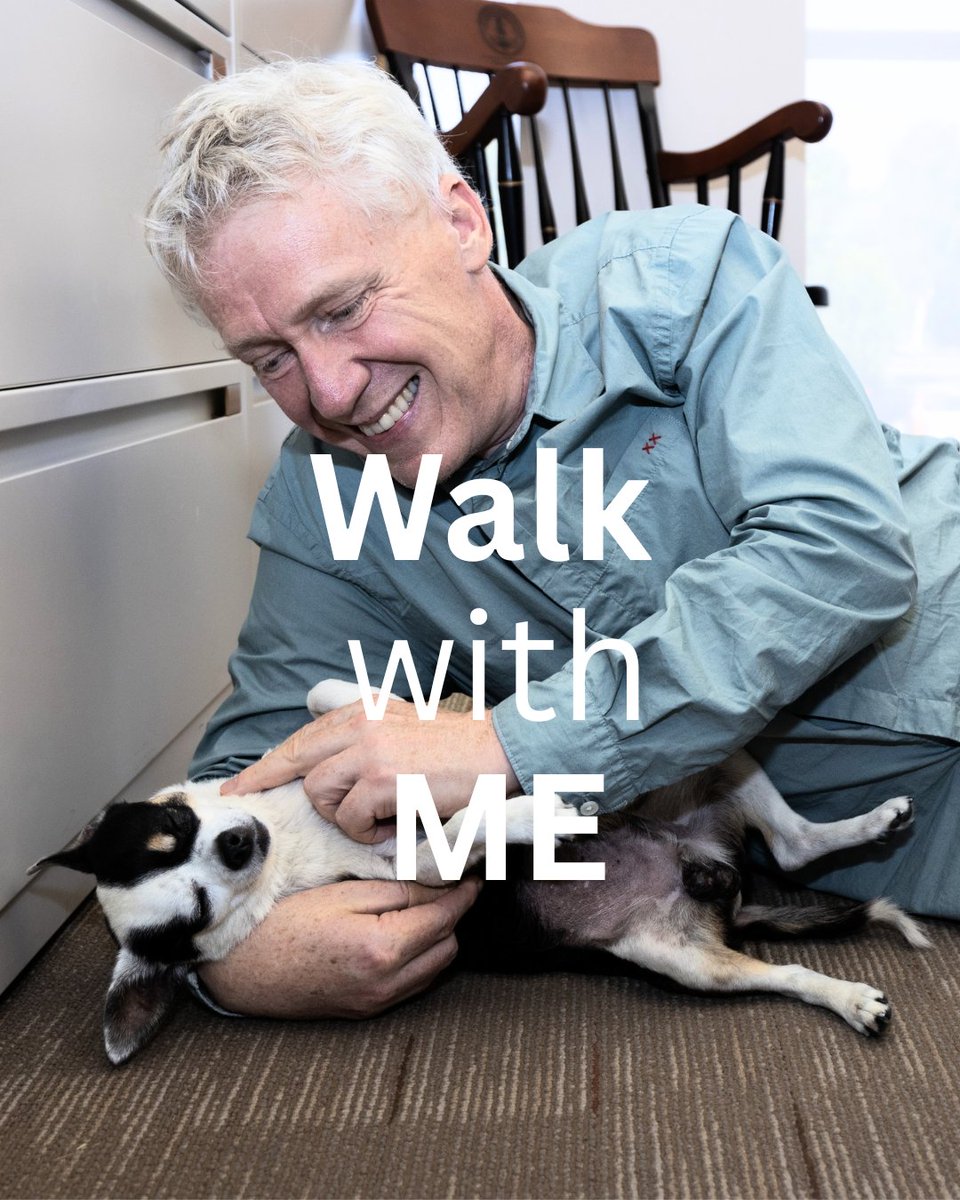
Meet Sergiu Pasca, a neuroscientist whose work explores the biological basis of brain disorders such as autism and schizophrenia. Discover a favorite “aha” moment and the place he seeks out when he’s not in the lab. Wu Tsai Neurosciences Institute Sergiu P. Pasca

12,743 Aufrufe • vor 7 Monaten •via X (Twitter)

10 Kommentare

Profilbild von Stanford Medicine
Stanford Medicinevor 7 Monaten

Watch more Walk with Me videos:

Profilbild von Prof. Akiko Iwasaki
Prof. Akiko Iwasakivor 7 Monaten

@StanfordBrain @Sergiu_P_Pasca What a great video! Really enjoyed this. Well done, @Sergiu_P_Pasca!

Profilbild von Chretien RUSATIRA
Chretien RUSATIRAvor 6 Monaten

@StanfordBrain @Sergiu_P_Pasca I'm also curious about brain diseases and retention ability. The walk with in the lab has made me more interested to pursue Neuroscience.

Profilbild von JB
JBvor 7 Monaten

You’ve been taking stem cells from people for 17 years and you haven’t done a damn thing about schizophrenia and psychotic disorders? What do you need more info? I think it is simply stunning the amount of people studying these conditions and not 1 damn thing has been done to improve people lives. It’s mind boggling. Treatments don’t need to be perfect there just needs to be something

Profilbild von For health-promoting environments
For health-promoting environmentsvor 7 Monaten

@StanfordBrain @Sergiu_P_Pasca . A familial predisposition to autism requires - protection from environmental pollutants, - comprehensive human biomonitoring, - human and ambient microbiome health, - monitoring circulating SCFAs and gut-liver metabolites. .

Profilbild von Dr. Evans Wuodarek PhD
Dr. Evans Wuodarek PhDvor 7 Monaten

@StanfordBrain @Sergiu_P_Pasca Great! Good Job! @StAndMedicine is the way to go.

Profilbild von G Ju
G Juvor 7 Monaten

@StanfordBrain @Sergiu_P_Pasca It is since many years reversible, very easy and cheap! The Alzheimer Revolution!

Profilbild von sir kent norton Golden Eagle Consultant
sir kent norton Golden Eagle Consultantvor 7 Monaten

@StanfordBrain @Sergiu_P_Pasca How would you describe finally a professional that well dressed well spoken is not full of tattoos and crazy gestures. This is a real gentleman who has a great brain and he’s explaining neuroscience to us. We need it.

Profilbild von SAFRIreland
SAFRIrelandvor 7 Monaten

@StanfordBrain @Sergiu_P_Pasca Please don’t try to replicate autism and schizophrenia in animals

Profilbild von Žiga Našič the Braveheart, last king of Loveland
Žiga Našič the Braveheart, last king of Lovelandvor 7 Monaten

@StanfordBrain @Sergiu_P_Pasca Contact me. We will tell you how microplastics affects this and how to threat it. Best from Hyper ceo.

Ähnliche Videos

What if Autism & ADHD are not just genetic, but the symptom of a brain injury? With 20 vaccines listing encephalitis as a potential side effect, the link to a "post-encephalitic state" can no longer be ignored. In a revealing discussion, Del Bigtree and Dr. Peter McCullough reframed the conversation around autism, moving from a search for a singular cause to a discussion of mechanism and injury. Bigtree shared a powerful anecdote from a mother who presented a crucial distinction: "Vaccines did not cause my child's autism. Vaccines caused my child's encephalitis." This brain inflammation, the mother explained, led to a catastrophic injury. "They screamed for several days and then they never spoke to me again... Autism is not caused. Autism is a symptom of a brain injury." Dr. McCullough affirmed this analysis, stating it aligns with a growing body of investigation. He pointed out that an astonishing 20 vaccines list encephalitis or brain inflammation as a potential side effect in their official package inserts. The resulting conditions—Autism Spectrum Disorder, ADHD, tics, and epilepsy—are not seen as purely genetic or toxicant injuries in this context. Instead, they are described as characteristic of a post-encephalitic state, a consequence of brain inflammation. This paradigm shift, from "cause" to "symptom of injury," challenges the mainstream narrative and demands a deeper look at the potential triggers of such inflammatory events. What are your thoughts on this distinction between cause and symptom?

Camus

49,370 Aufrufe • vor 10 Monaten