Loading video...

Video Failed to Load

Go Home

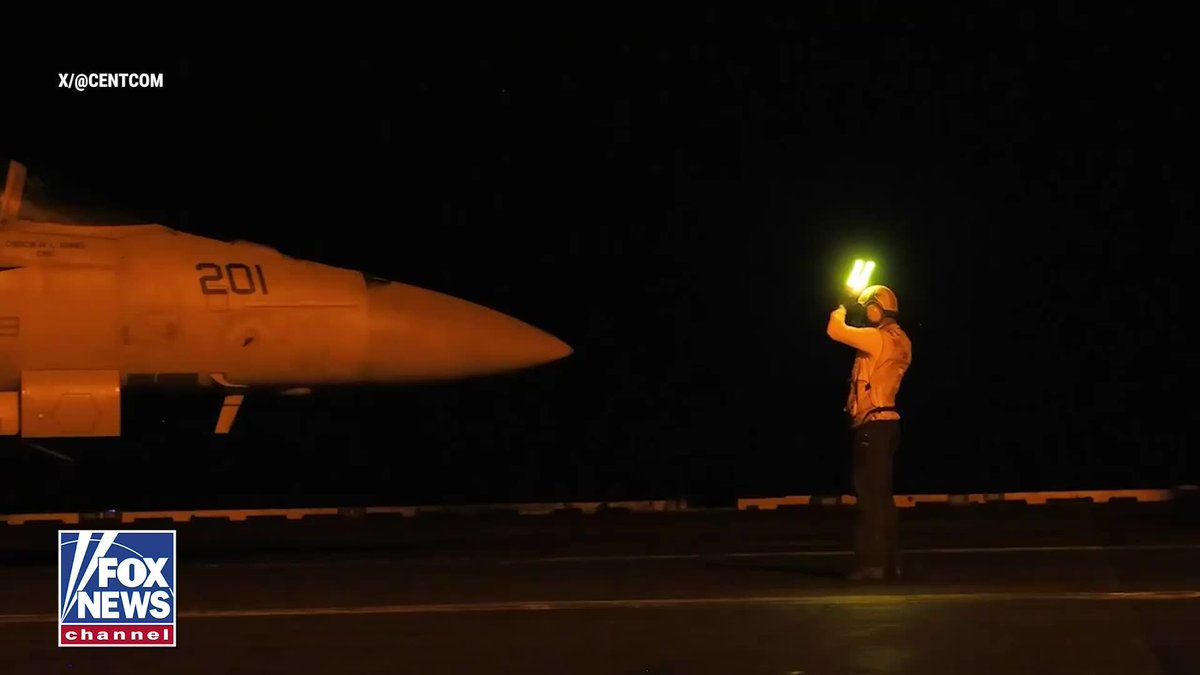
🚨 MISSILE THREAT COLLAPSING? Early signs Iran’s launch capability may already be crippled Military analysis now suggests the limited impact from hundreds of Iranian drones and missiles — with minimal damage and no reported U.S. casualties — could indicate something significant: The launch infrastructure itself may be under sustained...

489,544 views • 4 months ago •via X (Twitter)

0 Comments

No comments available

Comments from the original post will appear here

Related Videos

🚨 OPERATION “EPIC FURY” ESCALATES AS U.S. AND ALLIES POUND IRAN According to new reports circulating from U.S. political and media sources, the campaign against Iran — described as Operation Epic Fury — is intensifying dramatically. Officials claim the strikes have inflicted devastating damage on Iran’s military infrastructure.Reportedly destroyed or heavily degraded:• Iranian naval capability • Air force assets • Radar and early-warning detection systems • Missile launch infrastructure • Hundreds of fighters and regime personnel Sources also claim Israeli strikes hit a meeting in Tehran where remnants of the regime were attempting to select a new supreme leader, forcing the gathering to disperse after missile impacts nearby. At the same time, Iranian retaliation has reportedly shifted toward short-range missiles and inexpensive drones, launched sporadically toward U.S. allies across the region. Several incidents have been reported:• A drone strike near a U.S. consulate in Dubai • Damage to a CIA station at the U.S. embassy in Saudi Arabia • Continued attempts to launch missiles toward Israel and regional bases U.S. Central Command is reportedly targeting launch sites immediately after missiles are fired, destroying them within minutes. Another major development could soon widen the war further. Sources suggest Saudi Arabia is close to deploying its air force, potentially flying combat missions alongside Israeli aircraft — an unprecedented alignment that would signal a major geopolitical shift in the Middle East. Meanwhile Washington has warned that the next 24 hours could bring a major expansion of the air campaign, with officials indicating the scale and intensity of strikes are about to increase significantly. Missile launches from Iran have reportedly dropped from roughly 100 per day at the start of the conflict to around 20, suggesting the sustained bombardment is degrading Iran’s capabilities. At the same time, the U.S. Navy is preparing to escort oil tankers through the Strait of Hormuz, aiming to prevent Iran from disrupting global energy supplies. If the current trajectory continues, the conflict could enter a new phase — with regional powers joining the campaign and Iran’s remaining military infrastructure coming under increasingly intense pressure.

Jim Ferguson

159,244 views • 4 months ago

🚨 BREAKING: KURDISH FORCES REPORTEDLY LAUNCH GROUND OFFENSIVE INTO IRAN A U.S. official has told Fox News that thousands of Iraqi Kurdish fighters have launched a ground offensive into Iran, opening what could become a new front in the war. The development comes on day five of Operation Epic Fury, as U.S. and Israeli forces continue large-scale strikes across Iran. According to the latest figures being reported:• Over 2,000 Iranian targets have been hit • More than 20 Iranian naval vessels destroyed • 500+ ballistic missiles launched by Iran • Over 2,000 drones fired in retaliation Pentagon officials say Iran’s military capability is declining rapidly, with ballistic missile launches reportedly down around 88% since the start of the campaign. At sea, U.S. forces appear to be tightening the pressure. Reports say an American submarine torpedoed and sank one of Iran’s major naval vessels, a rare submarine attack against a warship not seen often since World War II. Meanwhile, U.S. military leadership says the campaign is expanding rather than slowing, with more aircraft and strike capabilities arriving in the region. The White House says the objective remains unchanged: eliminate Iran’s ability to threaten the United States and its allies with missiles, drones, and nuclear weapons. If Kurdish forces are indeed operating inside Iran, the conflict may now be shifting from pure air war to multi-front pressure on the ground.

Jim Ferguson

23,510 views • 4 months ago

Sejjil is the Message Today, Iran launched a Sejjil missile - its solid-fueled, medium-range ballistic system that has seen relatively few operational appearances since its initial test in 2008. Reports from Israeli and regional sources claim the missile was intercepted, but with no visual confirmation and media coverage tightly controlled by Israeli authorities, the actual outcome remains unclear. The Sejjil is a two-stage, road-mobile ballistic missile with an estimated range of 2,000 to 2,500 kilometers. Its use of solid fuel marks a significant operational advantage: shorter preparation time, faster launch capability, and greater survivability compared to liquid-fueled systems. This allows for more rapid deployment and less vulnerability to preemptive strikes, enhancing Iran’s ability to respond flexibly in a conflict scenario. While recent public focus has been on the Khorramshahr-class missiles, especially with the development of Khorramshahr-4 (Kheibar), the Sejjil offers a different set of advantages. Although it carries a lighter warhead, it is more launch-ready due to its solid propulsion. This makes it more suited for time-sensitive missions and rapid response strategies. Today’s reported launch reinforces the message that Iran is maintaining and gradually modernizing a diverse missile arsenal. The event also highlights the limits of open-source verification in environments where the flow of information is tightly managed. Whether or not the missile was successfully intercepted, the launch itself is a reminder of Iran’s continued emphasis on building operationally credible deterrent capabilities across its missile forces.

Zlatti71

24,790 views • 1 year ago

🚨 BREAKING: U.S. MASSING CARRIER STRIKE GROUPS AS WAR WITH IRAN ESCALATES The United States is rapidly assembling an overwhelming naval armada in the Middle East as the conflict with Iran intensifies. The USS Gerald R. Ford — the largest aircraft carrier ever built — is entering the theatre, reportedly passing through the Suez Canal and heading toward operational waters. Behind it comes the USS Bainbridge, a guided-missile destroyer armed with Tomahawk cruise missiles capable of precision strikes hundreds of miles inland. Reports also indicate the USS George H.W. Bush carrier strike group is preparing to join them, which would place three American aircraft carriers within striking distance of Iran. That concentration of naval power would bring: • hundreds of fighter aircraft • cruise-missile destroyers and submarines • advanced missile defence systems • one of the largest U.S. naval deployments in the region in decades At the same time, the technological battle is evolving. Iranian drone warfare — once a major threat across the region — is now being reverse-engineered and turned back against Tehran, with cheaper counter-drone weapons replacing expensive missile interceptors. Meanwhile, reports suggest Russia may be providing Iran with intelligence on U.S. naval movements, raising the stakes even further. Iran’s missile launches are already collapsing — reportedly falling from around 100 per day to single digits as allied strikes dismantle launch sites and infrastructure. Washington’s message is clear: The campaign is accelerating — not slowing down. And according to senior U.S. officials… “We’re just getting started.”

Jim Ferguson

37,829 views • 4 months ago