Sensitive content

This media may contain sensitive content.

Video wird geladen...

Video konnte nicht geladen werden

Zur Startseite

Molly goes a little overboard... Includes Breast Expansion, Attribute Theft, Mini Giantess Growth, Hourglass growth. This video cost well over $200 in generation fees alone! Worth it though. Come for the main video, but stay for the extra large growth scenes after the credits ;) If you want all...

19,015 Aufrufe • vor 1 Monat •via X (Twitter)

0 Kommentare

Keine Kommentare verfügbar

Kommentare vom Original-Post werden hier angezeigt

Ähnliche Videos

Growth ETFs are perfect if you want higher potential returns and can handle the ups and downs that come with it. Vanguard Growth ETF (VUG) is my primary growth pick. VUG owns 185 large-cap growth companies—businesses growing earnings faster than the overall market. Their expense ratio is 0.04% (meaning if you invest $10,000, you pay only $4 per year in fees—extremely cheap). Their top holdings are Apple, Microsoft, Nvidia, Meta, Google, Tesla (which makes sense). The key difference between them and the S&P 100 is they don't include the other 94 stocks like Coca-Cola, Procter & Gamble, and Walmart (which provide more stability but slower growth). In VUG, you're overweighting specifically the growth companies. You're saying "I believe in technology and innovation, and I want concentrated exposure to that theme." So here's the trade-off: VUG is more volatile. When markets rally, it outperforms. When markets crash, it drops harder than the S&P 100. That's why you don't put 100% of your portfolio into VUG. It's your growth sleeve, not your whole strategy. Here's what I'd recommend: - Under 35: Up to 50% in growth - Over 50: Maybe 20-30% VUG gives you growth across multiple sectors—tech, consumer (Amazon), healthcare, communication. Another great growth ETF is VGT, which is the Vanguard Information Technology ETF. It has a 0.09% expense ratio and focuses purely on tech companies—more concentrated, more risk. I prefer VUG because it gives you growth across multiple sectors, not just tech. — This is just one of the ETFs I covered in my 22-minute video on ETFs that beats the S&P 500. I also covered how the S&P 500 is dangerously concentrated in 10 companies, which growth ETFs outperform during rate cuts, and why dividend ETFs exclude the best-performing stocks. Just comment "ETF" and I'll DM it into your inbox in the next few minutes.

Felix Prehn 🐶

20,926 Aufrufe • vor 6 Monaten

If you’re an investing beginner, you MUST watch this video. If you’re an advanced investor, watch it as a reminder. Peter Lynch is the most successful Fund Manager of all time. He uses these 45 minutes to cover 95% of all of investing! My Key Takeaways: 1. Personal Edge - Look for the fields in which you have a knowledge benefit. Working in an industry, being a customer, all of that is an advantage. 2. The Key Organ for Investing: The Stomach - Investing is not about brains. It’s about having the stomach. “The real key to making money in stocks is not to get scared out of them.” - Peter Lynch 3. Categories - Categories and labels are guidelines, not hard rules. Successful investing is about flexibility. 4. P/E Rule of Thumb - Stocks follow Earnings Fairly Priced: P/E equals annual growth rate over the next 3-5 years. Expensive: P/E extensively higher than annual growth rate over the next 3-5 years. Cheap: P/E extensively lower than annual growth rate over the next 3-5 years. 5. Balance Sheet Rules of Thumb - Is the BS healthy? a) Cash should be higher than Short-Term Debt b) If Cash - Short-term Debt - Long-Term Debt is only 1/4 of Net worth, the BS is decent c) Total Debt should equal 20% of capitalization or less 6. Focus on Stories - Stock prices move with the stories told about the companies. Have a long-term story for every company you own and check if it plays out. 7. Profit from Chaos - A market decline of at least 10% occurs every two years. Pick up your high-conviction bets at a discount when this happens. 8. Forget about Macroeconomics - Focus on business growth, not GDP growth. “If you spend 13 minutes a year on economics, you’ve wasted 10 minutes.” - Peter Lynch

Daniel Mahncke

493,303 Aufrufe • vor 2 Jahren

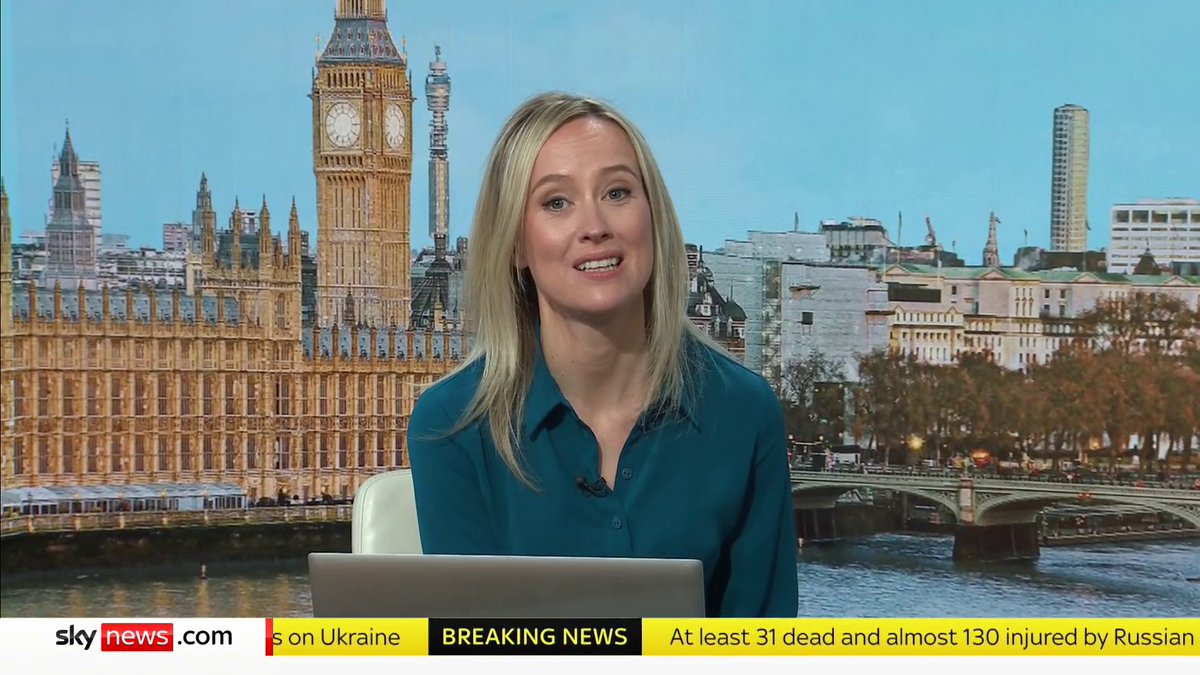
They’re not hanging about are they? A full cabinet… a flurry of policy announcements…a speech from the Chancellor and a tour of all four nations by the Prime Minister. No time to sit in a dark room, pour a stiff drink and recover after the general election campaign. And to be honest, you can see why. The incoming Labour Government has built almost their entire economic strategy around one thing: growth. If you ask them how on earth they can improve public services without putting up taxes or breaking their fiscal rules, this is the answer they give. Growth. The problem is… it’s quite hard to get growth. You can’t just click your fingers and it comes. And it’s unpredictable. It’s a bit like when I try and follow a recipe… I put in all the right ingredients but I’m never sure what’s going to emerge at the end and what it’s going to taste like. It’s the same with growth. You can do all the right things… but a big international event, or an unpredictable national crisis happens and that changes everything. Every Government wants growth. But it’s not that easy. So you can see why Labour isn’t hanging around. Today Rachel Reeves is pulling out all the stops to try and get growth back into the economy. She’s bringing back housebuilding targets, overhauling the planning system, and ending the ban on onshore wind farms. And they need it to work. Because without growth, they’ve got a big hole in their economic plans. Video 👇

Sophy Ridge

1,062,574 Aufrufe • vor 2 Jahren

Facebook VP of Growth Alex Schultz: “Startups should not have growth teams” It’s easy to forget that Facebook didn’t create their growth team until 2007, when they already had tens of millions of users. Alex points out a common mistake startups often make: “Startups should not have growth teams. The whole company should be the growth team. The CEO should be the head of growth. You need someone to set a north star for you about where the company wants to go and that person needs to be the person leading the company, from what I’ve seen.” At Facebook, Mark Zuckerberg selected monthly active users as the north star metric he made the world hold the company accountable to. At WhatsApp, Jan Koum published daily sends. Airbnb chose nights booked and benchmarked themselves against the largest hotel chains in the world. Alex continues: “When you’re operating for growth, it is critical that you have that north star and define it as a leader. The reason this matters is the second you have more than one person working on anything, you cannot control what everyone is doing… And the thing is, it’s not clear to everybody what the most important thing is for a company.” For example, Jan could’ve chosen monthly active users for the North Star metric of WhatsApp, but if a person uses it once a month, is WhatsApp really their primary messaging app? Picking a north star metric and holding the entire company accountable to it helps ensure that when an engineer and designer go to build that new feature, they’re optimizing for the right thing. But if you’re the CEO, don’t get too caught on picking the perfect north star metric. Alex explains: “They’re probably all correlated to each other, so it’s fine to pick almost any metric. Whichever one you feel best about, that aligns with your mission and values, go for that one. But realistically, DAUs is fairly correlated to MAUs. We could have gone with either one…. Pick the one that fits with you and that you know you’re going to be able to stick with for a long time. But have a north star.” Video source: Y Combinator (2014)

Startup Archive

29,690 Aufrufe • vor 1 Jahr