Loading video...

Video Failed to Load

Go Home

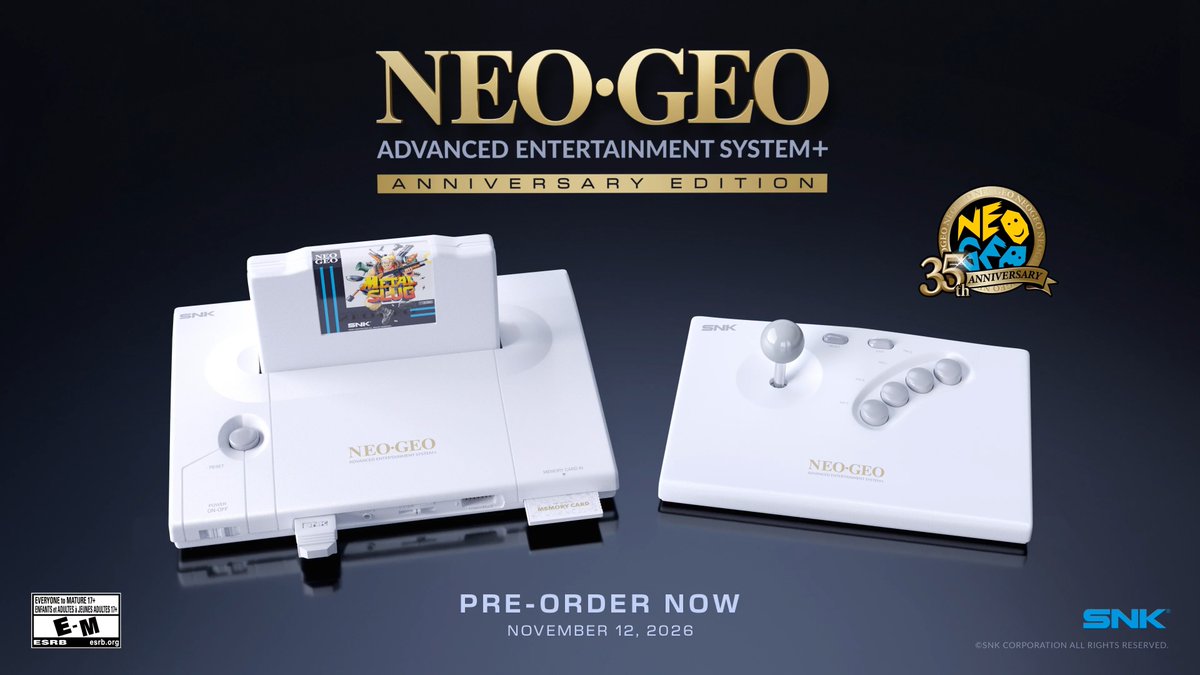
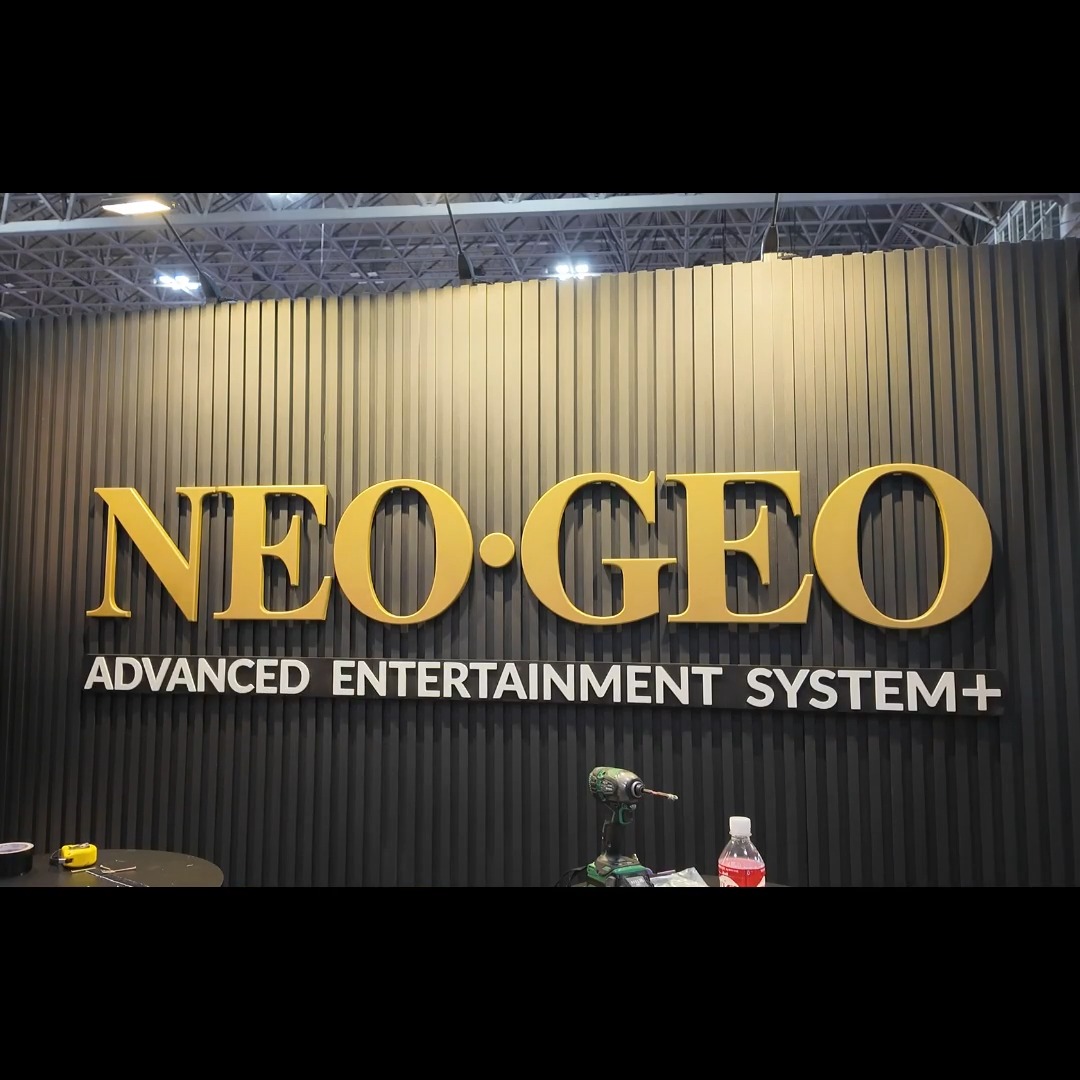
Most powerful console in 1990s NEOGEO

86,585 views • 1 year ago •via X (Twitter)

10 Comments

🐉Mortal_Kombat_Addict | Fatalities Daily's profile picture
🐉Mortal_Kombat_Addict | Fatalities Daily1 year ago

Case Fresh!…

Neo Geo Forever's profile picture
Neo Geo Forever1 year ago

Be careful with all that power in one place! ⚡💪

FirebrandX 😈 ♈️'s profile picture
FirebrandX 😈 ♈️1 year ago

I'm such a nerd that I paused to check the specs on the power supply. This is an internally regulated AES (instead of the 5V variants where they didn't populate the regulator circuit on the mobo).

ヤマザキ ー レトロゲーマー's profile picture
ヤマザキ ー レトロゲーマー1 year ago

Going strong since 2002 💪

Gamer_lafan's profile picture
Gamer_lafan1 year ago

good👍

Michael G. Xof's profile picture
Michael G. Xof1 year ago

Best song for best console

Mike Palmer (シネフィル) 🎬's profile picture
Mike Palmer (シネフィル) 🎬1 year ago

DEAR LORD!

Game Reaper 187. XRP's profile picture
Game Reaper 187. XRP1 year ago

Lol. Most expensive. Definitely not most powerful.

David Ibara's profile picture
David Ibara1 year ago

Not the most powerful but most eye watering price.

World of Gaming ➡️ @Magfest's profile picture
World of Gaming ➡️ @Magfest1 year ago

I want a neogeo so badly 😢

Related Videos

One of Sega’s greatest strengths in the 1990s was its ability to create arcade games using 3D hardware that completely outclassed the competition. Virtua Racing and Virtua Fighter were developed on the Model 1 arcade system, which was based on advanced 3D technology originally developed for military applications. At the time, their performance was so impressive that other 3D games simply couldn’t compare. Because of that, it was extremely difficult to accurately reproduce these games on home consoles. In the early 1990s, the Model 1 arcade hardware cost close to $7,000, and even Sega’s own systems—the Mega Drive, 32X, and later the Sega Saturn—struggled to deliver arcade-perfect versions. Back then, I was disappointed by the gap in quality between the arcade and home versions. Looking back now, though, it’s amazing that Sega managed to port them as well as they did. It almost feels like a miracle. After eventually buying an arcade cabinet and a Model 1 board, I learned something I hadn’t realized before: Model 1 supported high-resolution monitors, unlike the standard displays used by most home systems. In those days, the average gamer didn’t even think about screen resolution, so seeing Virtua Fighter on a high-resolution arcade monitor created a fundamentally different experience from the home versions. When I first played Virtua Fighter on the Sega Saturn, I remember feeling that something was missing. At the time, I assumed it was simply the lower polygon count, but after seeing the original hardware in action, I realized that the difference in resolution also played a huge role. Sega’s arcade games—especially those built on the Model 1, Model 2, and Model 3 platforms—represent the peak of the company’s technological achievements. That’s one of the reasons I enjoy collecting them so much. Since home console conversions could never fully capture the original experience, the authentic arcade versions have a unique charm that’s hard to replicate. Even today, playing them on the original hardware is a great reminder of why Sega was considered the king of arcade gaming during the 1990s.

Gamer_lafan

11,302 views • 1 month ago