Video yükleniyor...
Video Yüklenemedi
Nikki Haley: Trump’s proposal for across-the-board tariffs will raise prices on Americans. It's not a good idea

960,325 görüntüleme • 1 yıl önce •via X (Twitter)
9 Yorum

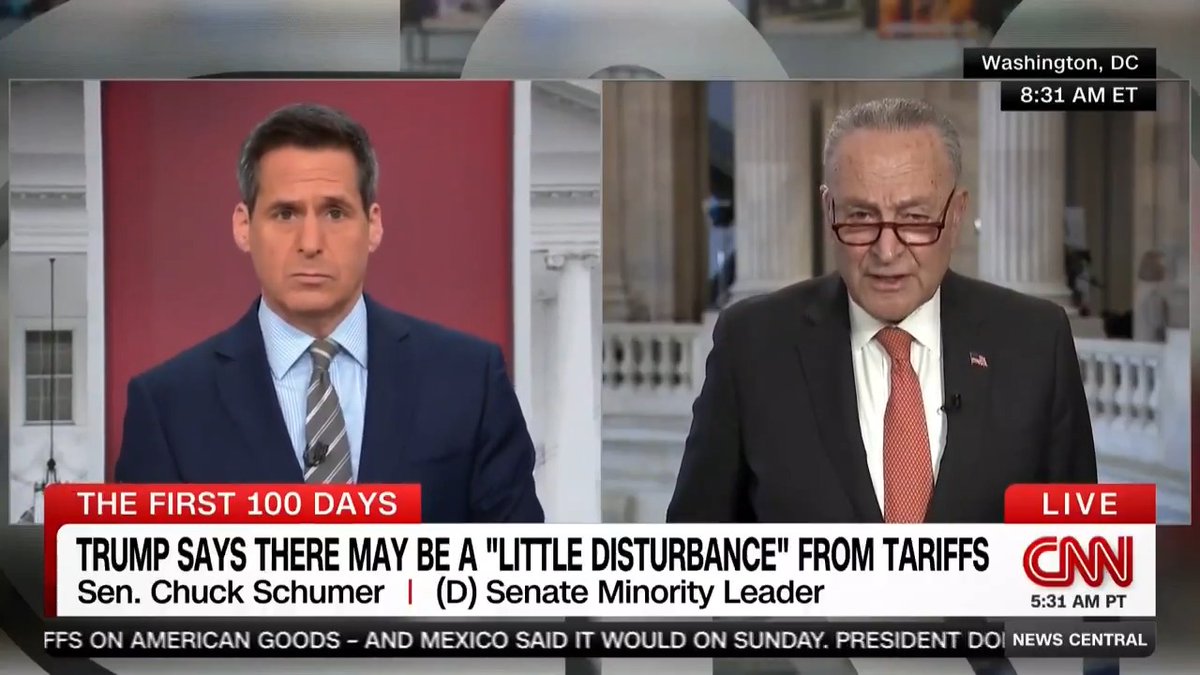
Even CNN is fact checking JD Vance and Donald Trump for lying about tariffs. 🍿

I really don’t understand why she just doesn’t come out and say she doesn’t support Donald Trump. She seems scared of hurting the Republican Party, but she literally doesn’t agree with Donald Trump on anything. Just say it Nikki!

@ChuckCjmmn Didn't this bitch endorse him?

Nikki Haley knows full well there are STRATEGIES to offset the economic cost of tariffs. Here are just a few. 👇🏾Trump is a BUILDER. He UNDERSTANDS international commerce! He UNDERSTANDS how to offset the cost of tariffs. Relax. Vote Red. -VJ Here are five strategies businesses and governments might consider to offset the economic cost of tariffs: Diversification of Supply Chains: Objective: Reduce dependency on countries with high tariffs by sourcing from multiple regions or countries. Implementation: Businesses can explore new suppliers in regions not subject to tariffs, or invest in domestic production capabilities. This strategy requires careful cost-benefit analysis due to potential increases in logistics costs or lower efficiency. Leveraging Free Trade Agreements (FTAs): Objective: Utilize existing trade agreements to bypass or reduce tariffs. Implementation: Companies can shift their sourcing or production to countries that have FTAs with the target market, thereby benefiting from lower or zero tariffs. This might involve rerouting supply chains or establishing new partnerships. Product Reclassification or Modification: Objective: Change the classification of products to fall under lower tariff categories or modify products to meet different tariff schedules. Implementation: This might involve slight alterations in product design or packaging to qualify for different Harmonized System (HS) codes that attract lower tariffs, or using different materials that change the product's classification. Invest in Local Production or Nearshoring: Objective: Move production closer to the market or directly into the market to avoid tariffs. Implementation: Companies might invest in local manufacturing or assembly, or engage in nearshoring (moving production to nearby countries with favorable trade terms). This strategy can also reduce transportation costs and time. Price Adjustments and Cost Absorption: Objective: Manage the immediate financial impact of tariffs through pricing strategies. Implementation: Businesses might absorb some of the tariff costs to maintain market share, or pass on the costs through higher prices if market conditions allow. Alternatively, they could offer different product lines where tariffs are less impactful or negotiate better terms with suppliers to offset costs. Additional Considerations for Implementation: Risk Assessment: Each strategy involves risks like increased operational costs, supply chain disruptions, or failure to meet new market demands. A thorough risk assessment is crucial. Flexibility and Agility: Given the dynamic nature of trade policies, maintaining flexibility in operations can help adapt quickly to new tariff regimes or trade agreements. Technology and Data Analytics: Utilizing technology for better supply chain visibility, cost analysis, and predictive analytics can aid in making informed decisions about where and how to adjust operations. Stakeholder Engagement: Engaging with all stakeholders, including suppliers, customers, and possibly government bodies, can provide insights and support in navigating tariff impacts. Long-term Strategy vs. Short-term Fixes: While some strategies might offer immediate relief, considering long-term market trends and geopolitical stability is essential for sustainable business practices. These strategies, when implemented thoughtfully, can help mitigate the adverse effects of tariffs, though they require careful planning, investment, and sometimes a shift in business models to remain effective in the long term.

I can’t believe people are even supporting Trump on these tariffs

Nikki Haley also thinks peace is not a good idea. Don’t listen to Haley.

American pets and park wildlife, fearful of being eaten by illegal immigrants are endorsing Trump

Kamala will win

Nikki is right. Trump & Kamala both fucking suck!