Video wird geladen...

Video konnte nicht geladen werden

Zur Startseite

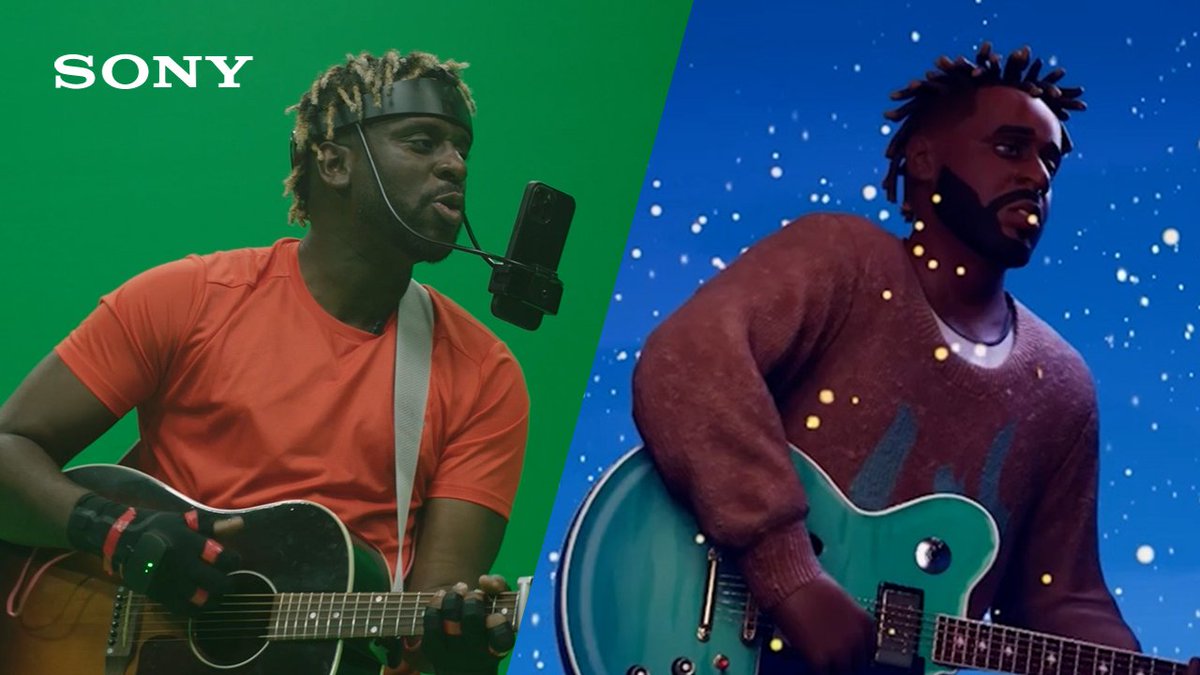
📢 Not just a soundcheck : An experience where the line between virtual & reality disappears 💨 🎶 Korean virtual idol, PLAVE uses motion capture (mocap) tech to interact with fans (PLLI) in real-time before hitting the stage in Taipei🔥

16,595 Aufrufe • vor 1 Jahr •via X (Twitter)

0 Kommentare

Keine Kommentare verfügbar

Kommentare vom Original-Post werden hier angezeigt

Ähnliche Videos

𝗘𝘃𝗲𝗿𝘆𝗼𝗻𝗲’𝘀 𝘁𝗮𝗹𝗸𝗶𝗻𝗴 𝗮𝗯𝗼𝘂𝘁 “𝗣𝗵𝘆𝘀𝗶𝗰𝗮𝗹 𝗔𝗜" - the idea that we can simulate real-world environments so well that robots trained in simulation will work perfectly in reality. 𝗧𝗵𝗲 𝗽𝗿𝗼𝗺𝗶𝘀𝗲: Train in virtual worlds → deploy anywhere. 𝗧𝗵𝗲 𝗿𝗲𝗮𝗹𝗶𝘁𝘆: I’ve seen too many teams fall into this trap. After working with manipulation teams at Berkeley, Imperial, and Dyson, here’s the pattern: • 𝗪𝗲𝗲𝗸 𝟭: “Our policy works perfectly in simulation!” • 𝗪𝗲𝗲𝗸 𝟰: “Why doesn’t this work on real objects?” • 𝗠𝗼𝗻𝘁𝗵 𝟮: “We basically need to retrain from scratch with real data.” 𝗧𝗵𝗲 𝗴𝗮𝗽 𝘀𝗶𝗺𝘂𝗹𝗮𝘁𝗶𝗼𝗻𝘀 𝗰𝗮𝗻’𝘁 𝗯𝗿𝗶𝗱𝗴𝗲: Unlike blind locomotion policies that can get away with sim-to-real transfer because they rely mainly on proprioception and contact forces, 𝘃𝗶𝘀𝗶𝗼𝗻-𝗴𝘂𝗶𝗱𝗲𝗱 𝗺𝗮𝗻𝗶𝗽𝘂𝗹𝗮𝘁𝗶𝗼𝗻 𝗶𝘀 𝗲𝘅𝘁𝗿𝗲𝗺𝗲𝗹𝘆 𝘀𝗲𝗻𝘀𝗶𝘁𝗶𝘃𝗲 𝘁𝗼 𝘃𝗶𝘀𝘂𝗮𝗹 𝗱𝗼𝗺𝗮𝗶𝗻 𝗴𝗮𝗽𝘀. • Real friction vs simulated surface textures • Manufacturing tolerances vs perfect CAD models • Dynamic lighting vs controlled virtual environments • Sensor noise vs instantaneous virtual readings 𝗛𝗲𝗿𝗲'𝘀 𝘄𝗵𝗮𝘁 𝗽𝗲𝗼𝗽𝗹𝗲 𝗱𝗼𝗻'𝘁 𝘁𝗮𝗹𝗸 𝗮𝗯𝗼𝘂𝘁: Building these detailed simulated environments takes forever. If it takes 7 days to build a simulated kitchen in simulation, wouldn't it be better to just collect real-world data in a real kitchen instead? 𝗗𝗼𝗻'𝘁 𝗴𝗲𝘁 𝗺𝗲 𝘄𝗿𝗼𝗻𝗴 - simulation is incredible for debugging, safety testing, and exploring edge cases. But it's not a magic solution to real-world deployment. 𝗪𝗵𝗮𝘁 𝗮𝗰𝘁𝘂𝗮𝗹𝗹𝘆 𝘄𝗼𝗿𝗸𝘀: Use simulation strategically while making real-world data collection as efficient and flexible as possible. This is why Neuracore focuses on streamlined real-world data infrastructure. Because no amount of virtual training can replace understanding how your robot actually behaves in actual environments. 𝗧𝗵𝗲 𝗽𝗵𝘆𝘀𝗶𝗰𝘀 𝗼𝗳 𝘆𝗼𝘂𝗿 𝗱𝗲𝗽𝗹𝗼𝘆𝗺𝗲𝗻𝘁 𝗲𝗻𝘃𝗶𝗿𝗼𝗻𝗺𝗲𝗻𝘁 𝗰𝗮𝗻'𝘁 𝗯𝗲 𝘀𝗶𝗺𝘂𝗹𝗮𝘁𝗲𝗱 𝗮𝘄𝗮𝘆. What’s been your experience with sim-to-real transfer?

Stephen James

25,347 Aufrufe • vor 11 Monaten