Loading video...

Video Failed to Load

Go Home

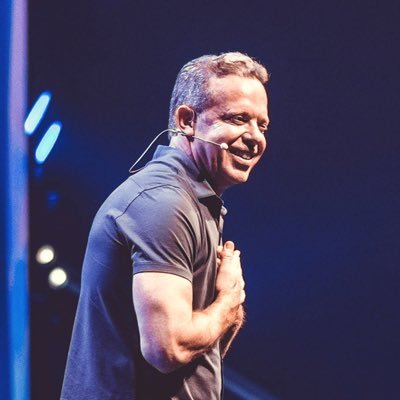
One week after planning retirement, Mark was diagnosed with terminal stage four pancreatic cancer. With limited time, he fully committed to change. Two weeks after a profound meditation experience, a PET scan showed no tumor. Two years later, his scans remain clear. “I didn’t cure cancer. I became somebody...

152,717 views • 5 months ago •via X (Twitter)

0 Comments

No comments available

Comments from the original post will appear here

Related Videos

Megyn Kelly sat down with Dr. Patrick Soon-Shiong to discuss his revolutionary cancer protocol—a treatment that has already extended lives by years for patients with terminal diagnoses, including the late Senator Harry Reid. The Science Behind the Breakthrough Dr. Soon-Shiong’s approach challenges conventional cancer treatments like chemotherapy and radiation, which destroy the immune system’s natural killer (NK) cells and T-cells—critical for fighting cancer. His BioStripe treatment works by rebuilding the immune system, even in patients who have exhausted all other options. Real Patients, Miraculous Results Merkel cell carcinoma (5th-line treatment): Complete remission—patient lived 6+ years and didn’t die from cancer. Bladder cancer: Patients still alive 10-11 years later. Triple-negative breast cancer: Multiple complete remissions. Metastatic pancreatic cancer: One patient disease-free after 5 years, now 6+ years and counting. FDA Roadblocks & Lost Time Despite undeniable success, Dr. Soon-Shiong faced years of resistance from regulators. In 2015, he proposed testing his method before chemo/radiation—but the FDA insisted on starting with end-stage patients. After 700,000 pages of submissions, approval finally came in late 2024. The Future: Beyond Cancer This treatment isn’t just for cancer—it’s showing promise against sepsis and severe infections. One recent case: A Valley Fever patient on a ventilator, given last rites—fully recovered after treatment. The Urgent Question Why is bureaucracy slowing down a therapy that could save millions? With pancreatic cancer, glioblastoma, and lung cancer patients still dying every day, how many more lives could have been saved if this had been fast-tracked?

Camus

615,291 views • 1 year ago

Ivermectin is often recognized–2nd to penicillin–for having the greatest impact on human health. Its discovery even won the Nobel Prize. But the propagandists told you it was a “dangerous horse dewormer.” Well, it now turns out that ivermectin has multiple anti-cancer effects. “There are at least nine perfectly defined cancer targets affected by ivermectin,” oncologist Dr. Alfonso Dueñas-González, told The Epoch Times. The news outlet reported: "It [ivermectin] has a broad impact on the immune system, increasing immune offense against cancers." "It also inhibits cancer cell cycles, helping prevent the formation of new cancer cells. The drug promotes the killing of cancer cells by inducing mitochondrial stress and prevents cancer survival by preventing new blood vessels, which transport energy and fuel to cancers, from forming near cancer cells." Dr. Kathleen Ruddy, a cancer surgeon, observed a resounding improvement in three patients under her consultation after they started using ivermectin with additional therapies. One patient, facing terminal stage 4 prostate cancer and given only three weeks to live after all treatments failed, began using ivermectin. Remarkably, within two months, his indicators of prostate cancer plummeted, and by six months, his cancer had significantly receded. Less than a year later, he was energetically dancing for four hours, three nights a week. This miraculous recovery was not isolated, as two more patients experienced similar outcomes. Dr. Ruddy, with over 30 years in cancer surgery, reflected on these cases, saying, “I’ve been a cancer surgeon for over 30 years. I’ve never seen anything like this in one patient—let alone three in a row.” Read the full report in the comment below:

The Vigilant Fox 🦊

1,192,290 views • 2 years ago

Three Cancer Patients Defy Odds with Ivermectin: A Doctor’s Call for Urgent Research Dr. Kathleen Ruddy, a breast cancer surgeon, author, and inventor, shared remarkable stories of three patients with advanced, aggressive cancers who chose ivermectin based on their own research, yielding astonishing outcomes that raise urgent questions about repurposed drugs in oncology. The first, Paul Mann, a 53-year-old marathoner from Phoenix with no family history of cancer, was diagnosed with stage 4 prostate cancer two months after his second Pfizer vaccine. Given three weeks to live, with hospice called, Paul started ivermectin. Slowly, his condition improved; today, he dances four hours a night, three nights a week. His tumor hasn’t fully regressed, but he’s exploring other repurposed medications, a far cry from his initial prognosis. The second patient, Eddie, a man in his late 60s, had unresectable esophageal carcinoma with two inoperable tumors. Declining chemo and radiation, he took ivermectin alone. Within six weeks, his tumors vanished completely, with no other treatment. The third, a woman with an 18cm pelvic tumor originating from her stomach lining, faced grim odds. After a remarkable surgical resection, liver metastases remained. Post-op, she chose ivermectin, and her liver metastases cleared entirely. Dr. Ruddy cautions that three patients aren’t a clinical trial, but three consecutive, dramatic responses in such dire cases are striking. She believes “there’s something going on here that looks important.” Frustrated by the pharmaceutical industry’s disinterest, as well as the lack of support from academic institutions and philanthropies—none of whom she expects to fund ivermectin research due to its low cost—she’s strategizing a scientifically sound, ethical approach to study whether ivermectin and other repurposed drugs can improve cancer survival. These anecdotes aren’t definitive evidence but compel us to ask: could repurposed drugs hold untapped potential for cancer treatment? Rigorous research is needed to find out.

Camus

38,022 views • 1 year ago

A New Dawn in the Cancer War: Pioneering "BioShield" Technology Achieves Long-Term Remission Where Others Failed A stunning revelation from Dr. Patrick Soon-Shiong on the dawn of a new medical era. He details a breakthrough he calls "BioShield," a technology designed to prevent cancer by fundamentally educating the body's own immune system. Forget conventional vaccines. This isn't about antibodies. This is about creating a living, intelligent defense system within you. Here’s the concept: "BioShield" educates your T-cells to become elite "memory" cells. They then hide in your bone marrow, lying in wait. When a cancerous cell appears, they emerge to seek and destroy it—stopping cancer before it can ever gain a foothold. This isn't science fiction. It's peer-reviewed, published science with the National Cancer Institute (NCI). And the results are nothing short of remarkable: ➡️ Bladder Cancer: Patients who failed all other treatments and faced radical bladder removal have achieved complete remission for nine years after a simple injection. No surgery. Just a functional cure. ➡️ Pancreatic Cancer: A disease with a grim prognosis, now seeing patients disease-free for five years. The late Senator Harry Reid, after being told by others not to pursue it, saw his tumor markers normalize and lived two active, cancer-free years. ➡️ Merkel Cell Carcinoma & Head/Neck Cancer: Stories of complete responses in patients given weeks to live, with one living nine years and another saved from hospice when his ulcerating tumor melted away. Dr. Soon-Shiong is reframing the conversation. This isn't a "vaccine" in the traditional sense. It's Project BioShield—a proactive, cellular guardian for the body. The takeaway? We are transitioning from toxic, reactive cancer therapies to intelligent, preemptive protection. The age of the immune system as our most powerful shield against cancer has arrived. What are your thoughts on this "BioShield" approach to cancer?

Camus

31,209 views • 8 months ago

🚨 STAGE 4 BREAST CANCER. HOSPICE CARE. EIGHT MONTHS LATER, THE PET SCAN SHOCKED EVERYONE. A 33-year-old woman was facing a devastating diagnosis. Her breast cancer had returned. And this time it had spread. 📌 Liver 📌 Lungs 📌 Spine 📌 Pelvis 📌 Multiple vertebrae 📌 Bones A liver biopsy confirmed metastatic breast cancer. MRI scans showed cancer throughout her spine and skeletal system. PET scans revealed multiple hypermetabolic lung and bone lesions. The disease was widespread. By late 2021, she declined further conventional chemotherapy and was placed under hospice care. For many patients, that's where the story ends. But in November 2021, she began taking 222mg of Fenbendazole daily. At the start: • Cancer was confirmed in her liver • Cancer was confirmed in her bones • Multiple lung lesions were present • Tumor marker CA27.29 measured 316 Over the next several months, she continued taking 222mg of Fenbendazole daily. Then something remarkable happened. ✅ Liver enzymes returned to normal ✅ Tumor marker CA27.29 dropped from 316 to 36.6 ✅ Pain from spinal metastases improved And then came the PET scan. In April 2022, follow-up imaging reportedly showed no abnormal metabolic activity indicative of cancer. Think about that. The previous scans had shown active disease in the liver, lungs, spine, pelvis, and bones. Months later, the PET scan reportedly found no evidence of abnormal cancer activity. Cases like this are why Fenbendazole continues to attract attention around the world. Not because of opinions. Because people are looking at scans. Looking at lab results. Looking at outcomes. And deciding for themselves what questions deserve answers. 💊 Looking for Fenbendazole, Ivermectin, or Mebendazole? Explore RXMEDS.STORE. #Fenbendazole #BreastCancer #CancerResearch #RepurposedDrugs #Oncology #RxMeds

RXMEDS.STORE

16,476 views • 1 month ago