Загрузка видео...

Не удалось загрузить видео

На главную

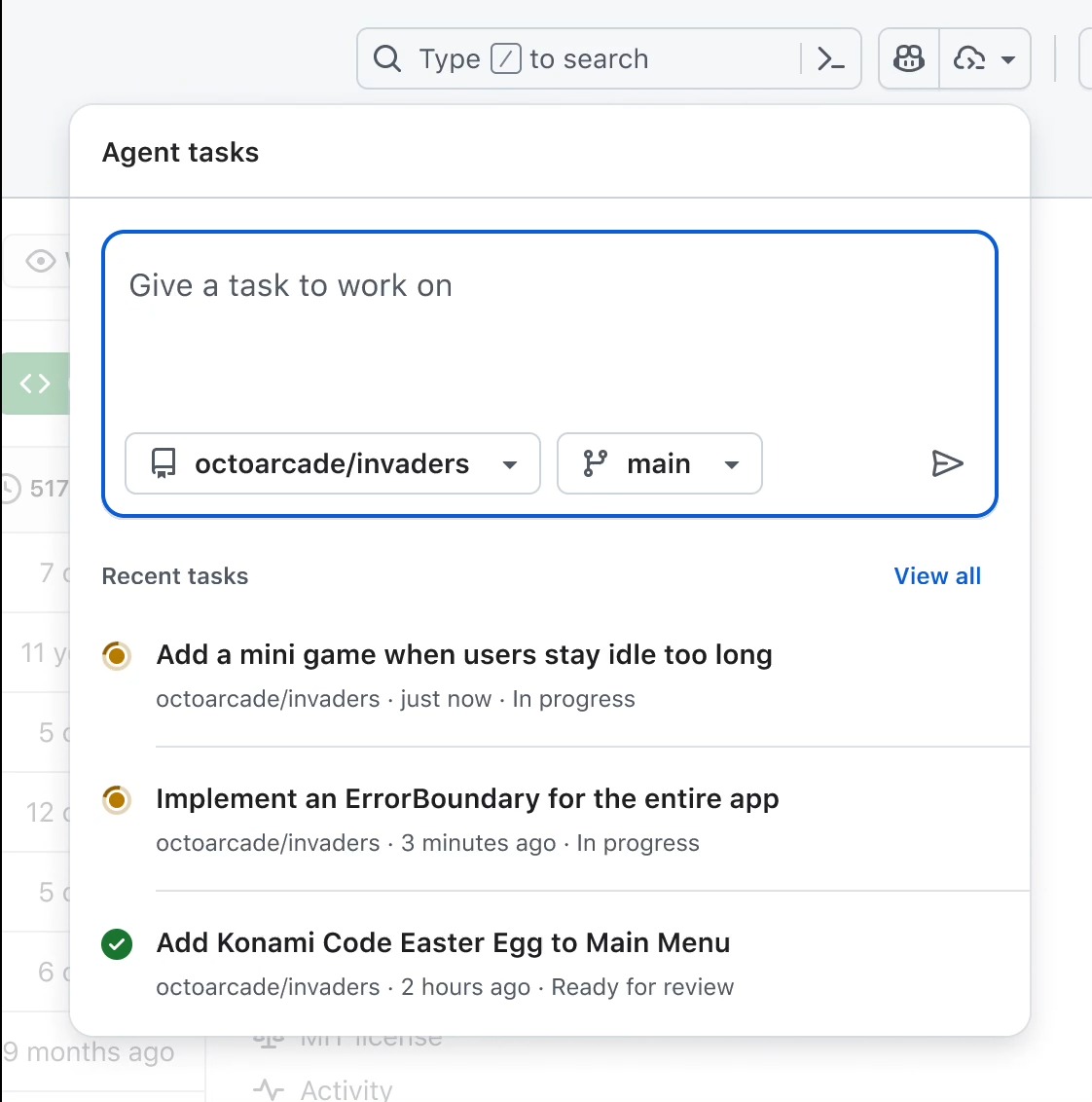
Opening up the beta to a free cloud machine for developers to access their coding agents from any device Preconfigured with your favorite repos, CLIs, and authenticated agents. Provisions in less than 5 mins Build, prompt, and resume projects across a phone, laptop, desktop, or iPad. No syncing remote...

13,490 просмотров • 19 дней назад •via X (Twitter)

Комментарии: 0

Нет доступных комментариев

Здесь появятся комментарии из оригинального поста

Похожие видео

HTML Artifacts are a big part of how I work with agents now. Artifacts can be more than just static files. When combined with agents, they can take action or help you take action. This unlocks all kinds of interesting ways to work with agents. This is clearly the future. Check out this writing and scheduler artifact I built in a few minutes. It uses a bit of HTML and JS. All the data is in markdown (Obsidian vaults), so the agent can access and modify it at any time. No DB needed. No sophisticated functionalities. The agent decides all that for me based on the skills, context, and memory it has access to. The best part about this simple stack is that all the important information stays with me. This has allowed me to build a recursive self-improving system and automations that can better tap into coding agents like Codex or Claude Code. I could have paid or built an entire app for scheduling posts, and there are so many of them out there. But I don't need to. I've realized a simple artifact does the job. And the simplicity of it is actually an advantage. Very little maintenance for very high returns on personalization, time, and efficiency. The other benefit of this is that I can add features as I please. That level of personalization feels magical, and we should all be pursuing more of it. All of this just keeps compounding. Of course, this example is just about writing. But I have similar artifacts for research, design, experimentation, evaluation, and so much more. And no, I didn't actually publish the post example I shared in the clip. It was just for demonstration purposes. I actually spend more time than this when writing together with agents. Lastly, having built my own agent orchestrator tool has made me realize that simplifying the tool stack is a superpower. If you are curious about how all this works, I will do a live session next week:

elvis

18,374 просмотров • 3 месяцев назад

Introducing fx, a tiny, open, native coding agent from Vercel Labs. Originally an internal tool, fx is a harness and CLI written in Zig, optimized for research and embedding in larger systems. Today, we're open sourcing it. fx is built on three principles: 1. Fast. A single native binary, no runtime to install. It cold starts in 10µs and does no unnecessary work or I/O before accepting input. fx is the answer to "how fast can a coding agent be?" 2. Light. The 6.3MiB binary uses single-digit megabytes of memory at baseline, made for instant installation and embedding in resource-constrained environments and agent sandboxes. 3. Open. Apache-2.0, model and provider agnostic, suitable for local and cloud inference. Its small core extends through skills, plugins, and MCP. Minimalism is an obsession throughout the entire harness: system prompt, tools, features, binary. The goal was to keep context usage and time to first token low, and make fx optimal for model benchmarking, sandboxing, evals, and gyms. You can use fx directly or embed it as infrastructure. The CLI feels more like a Unix shell than an IDE in the terminal: it preserves scroll history, produces minimal output, and uses complex TUI rendering very, very sparingly. Programmatically, 𝚏𝚡 𝚊𝚜𝚔 --𝚓𝚜𝚘𝚗 gives structured output, 𝚏𝚡 𝚊𝚌𝚙 connects to editors and other clients, and WebAssembly can even run the whole thing inside the browser (see: Privacy is a design constraint: no product telemetry, sessions and usage stay local, and no source code or prompts are shared with any endpoint other than inference. With local inference and auto-updates off, fx is fully hermetic. fx is experimental. Use at your own risk and expect frequent changes. Chat with us on X ( or file issues ( 𝚌𝚞𝚛𝚕 -𝚏𝚜𝚂𝙻 𝚏𝚡.𝚜𝚑/𝚜𝚎𝚝𝚞𝚙.𝚜𝚑 | 𝚋𝚊𝚜𝚑

Vercel Developers

925,663 просмотров • 4 дней назад

The Visual Studio Code insiders version that just shipped and will ship in the next few days will come with an insane amount of new capabilities. A few highlights: - You can now run sub-agents in parallel. Yes, really. I even attached a video. - Major UX improvements for sub agents, especially visible in the chat window - A new search tool wrapped as a sub-agent that iteratively runs multiple search tools: semantic_search, file_search, grep_search Which connects nicely to the point above: multiple searches running in parallel, efficiently and fast - Anthropic’s Message API is now enabled by default - You can choose the model for the cloud agent (three available, all premium) - Extended thinking support when using the Claude cloud agent This is part of the broader multi-vendor cloud support under AgentsHQ I wrote about a few weeks ago - Tasks sent to the background agent (basically the CLI tool) now always run in isolation, each with its own git worktree - In a multi-repo workspace, assigning a task to a cloud agent prompts you to choose the target repo Same behavior when opening an empty workspace with no repo - Support for building an external index for files not supported by GitHub’s default indexing - UI/UX improvements for starting new sessions and switching between local / background / cloud agents - Skills are now first-class citizens, just like prompt files, with better UX indicating when a skill is loaded - Improved API for dynamic contribution of prompt files New V2 includes skills as part of the model. Curious to see the extensions that will leverage this - Finally, initial support for showing context usage percentage per session - Skills are enabled by default - Resizable chat window and session view. Small thing, but it was driving me crazy 😁 - A new integrated browser meant to replace the old simple browser Maybe the beginning of real browser use? - Better UI/UX for token streaming in chat - Ability to index external files not supported by GitHub There’s a lot more. Some of it hasn’t fully landed yet, but everything that has is already in Insiders. The next stable release should drop in early February. As usual, I’m just shocked by the volume of features this team ships every month. After the holiday slowdown, this one is shaping up to be a wild release.

Oren Melamed

29,555 просмотров • 7 месяцев назад