Video wird geladen...
Video konnte nicht geladen werden
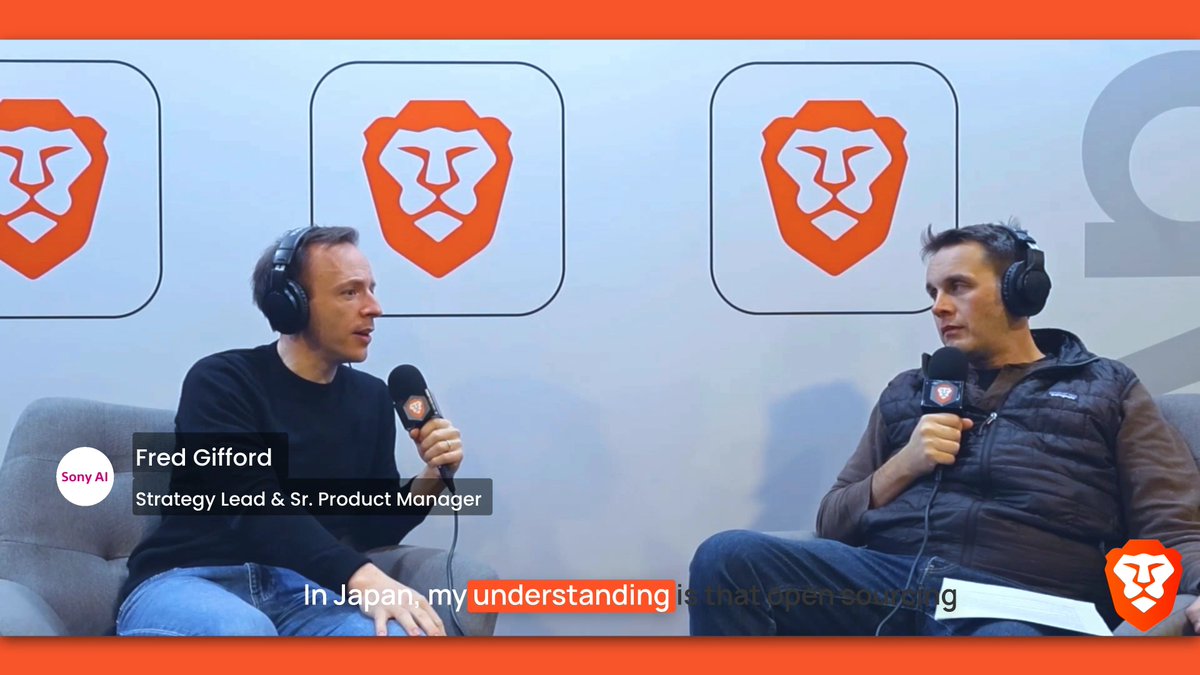
Open-source AI is built on shaky ground. Crypto is the only force strong enough to hold it up. Why? Our CEO Karan explains this on the Building Web3 podcast with Jax Dwyer. Highlights you must watch👇

29,210 Aufrufe • vor 1 Jahr •via X (Twitter)
10 Kommentare

What's our fundamental thesis about AI's future potential? > LLMs are probabilistic and exist on a graph of possibilities. So you can't build high-consequence systems around them without verification. > Current AI applications with product-market fit fall into entertainment (low stakes) or copilots, where humans are still accountable, but the true potential of AI is in autonomy. > The key blockers to this are hallucinations and high error rates, which we addressed through research that found ensembles of diverse LLMs dramatically reduce hallucination.
Why are we seeing the most traction with agent frameworks rather than base model labs? > Even after $100B+ invested, ChatGPT still carries a disclaimer that it may make mistakes. Using external models would imply that their own model isn't sufficient. > Agent frameworks don't own models. They build logic and tooling around existing LLMs, so their performance depends on the reliability of the models they use. > Our value proposition to agent frameworks is providing more reliable intelligence so agent builders can market more dependable agents to their users, leading to increased integration demand from both Web2 and Web3 agent ecosystems.
How does Mira's verification system work technically? > Our system is built as a decentralized network of nodes, where one node equals a model plus its underlying compute, functioning like a global AI cloud with OpenAI-compatible API integration. > A model router handles requests to your chosen base model, which generates output that's then binarized and sharded using proprietary methods inspired by parallel blockchains. > The verification process breaks the model's output into individual factual claims, routes each claim to a diverse ensemble of nodes that independently assess validity as a binary decision. > Only if all models agree on the claim's validity is it passed back to the user, i.e., if consensus isn't reached, a recursive regeneration loop is triggered until it is, ensuring only fully verified, consensus-approved responses are returned.

Scan any documents, convert images into text, PDF files, etc. 👍

@karansirdesai @jaxxdwyer I agree with what Mira Network CEO says, when Crypto mobilizes open-source AI by providing economic incentives to the people contributing to to technology, this creates sustainability for open-source AI.

@karansirdesai @jaxxdwyer I'm loving the progress you guys are making And I'm glad to be building alongside you ❤️

@karansirdesai @jaxxdwyer Hopefully the systems @Mira_Network is aiming to set in place becomes wildly adopted and we don’t remember a time when it didn’t exist Gmira

@karansirdesai @jaxxdwyer I fully agree with the CEO of Mira Network: when the crypto space joins forces with open-source AI and starts incentivizing contributors through economic rewards, it creates a truly resilient AI ecosystem — one that’s independent from big corporations.

@karansirdesai @jaxxdwyer This is so inspiring and what he says are very facts about crypto and ai Study Mira network always Verify with Mira

@karansirdesai @jaxxdwyer Wow Let me watch this