Загрузка видео...

Не удалось загрузить видео

На главную

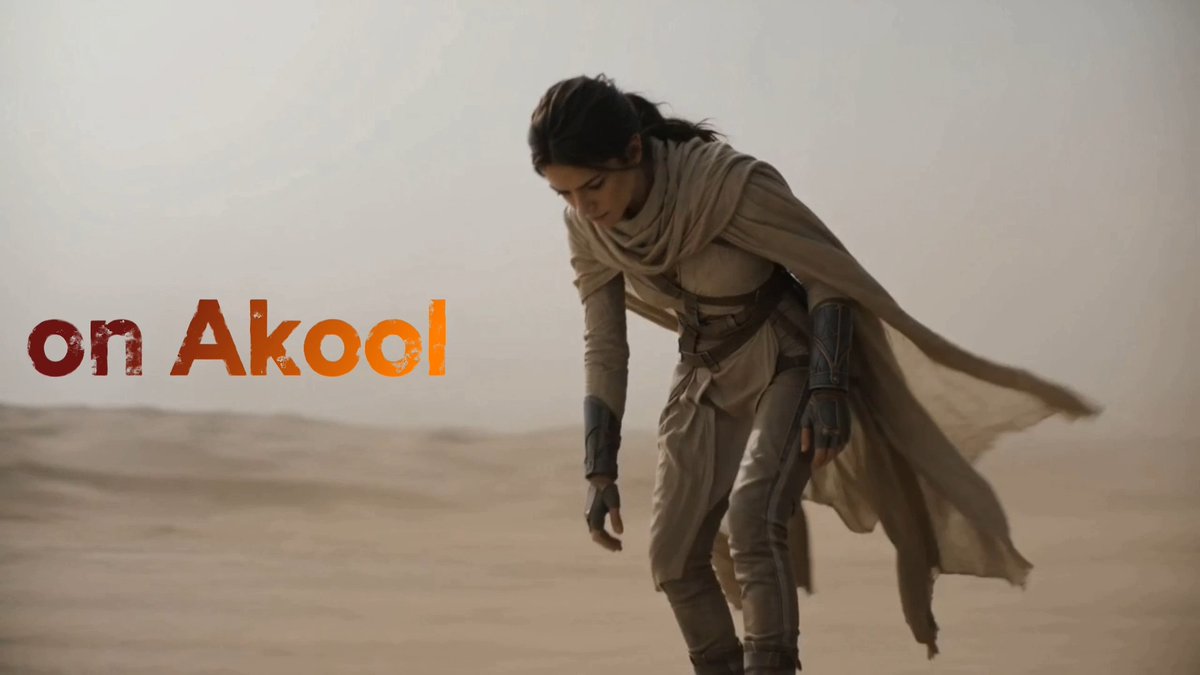
Open-source video generation is now faster than playback without compromising quality. Introducing Video Delta Net (VDN): hybrid attention for live text-to-video with near-lossless quality. VDN accelerates Minimax-H3 by 75 - 90 x, generating 14 seconds of 768p video in 11 seconds on 8× NVIDIA B200 GPUs. Checkpoints + training/inference...

402,095 просмотров • 1 день назад •via X (Twitter)

Комментарии: 0

Нет доступных комментариев

Здесь появятся комментарии из оригинального поста

Похожие видео

Here are 10 AI video editor GitHub repos worth bookmarking: 1. Shotcut Most actively maintained open source video editor in 2026. 14K stars. Cross-platform with AI-assisted features. Just shipped a new release April 30, 2026. 2. Kdenlive The closest open source alternative to Adobe Premiere Pro. Multi-track editing, proxy editing, VST audio, and customizable workspace. Best for professional workflows. 3. OpenShot The easiest entry point for beginners. Drag and drop, 400+ transitions, 3D titles, and AI-assisted trimming. 5,700 stars. 4. Blender Not just 3D. Blender's video sequence editor and compositing pipeline is used in professional film production. 18,300 stars. Unmatched for VFX. 5. Recordly Screen recorder with auto-zoom, cursor polish, webcam overlays, and styled frames built in. Built for demo videos and walkthroughs. 6. Wan2.1 Alibaba's open source text-to-video model. Cinema-grade 1080p generation. Apache 2.0. The gold standard for open source video generation in 2026. 7. HunyuanVideo Tencent's 13B parameter open source video model. 11.9K stars. Handles 720p and 1080p with high temporal coherence. 8. CogVideoX Apache 2.0 licensed. Loads natively via Hugging Face Diffusers. Strong prompt following and smooth frame transitions. Needs 16GB VRAM minimum. 12.5K stars. 9. Open-Sora Most starred open source video generation project at 24K stars. Full training pipeline for $200K. Production-level output quality. 10. Mochi 1 Focused entirely on motion quality. The most natural-looking physics of any open source video model. Water, fabric, and human gestures without AI jitter. Apache 2.0.

Kanika

17,726 просмотров • 2 месяцев назад

XAI EXTENDS GROK IMAGINE VIDEO GENERATION TO 10 SECONDS WITH QUALITY ENHANCEMENTS xAI has updated its Grok Imagine tool to produce videos lasting 10 seconds, doubling the prior limit. This change, along with refinements in visual and audio elements, expands the tool's utility for short-form content creation. xAI released the upgrade to Grok Imagine in early 2026. The company, founded by Elon Musk, announced the feature through posts on the X platform. This follows previous iterations where videos were capped at shorter durations, typically 5 seconds. Grok Imagine allows users to generate videos from text prompts, building on its image creation capabilities. The update addresses constraints in video length that limited expressive potential. Users can now input descriptions to create clips, such as animations or scenes, without needing initial images. This positions the tool within the broader landscape of AI-driven multimodal generation, where text-to-video systems are increasingly common. The core adjustment doubles the maximum video duration from 5 seconds to 10 seconds. Accompanying this are upgrades to video quality, including more stable visuals, richer details, and improved clarity. Audio has also been enhanced for better output, making the generated content more immersive. These changes were described as "big improvements across the board" in the announcement. No specific benchmarks or quantitative metrics for the quality improvements were detailed in the release statements. The feature rollout appears gradual, with some users accessing it via the Grok app or web interface. xAI has not introduced user controls for exact timing, though such options are mentioned as future possibilities. This development highlights xAI's emphasis on iterative enhancements in generative AI tools. By extending duration while refining output fidelity, it reflects engineering priorities aimed at balancing computational efficiency with user needs. The focus on audio and visual stability suggests attention to common pitfalls in early text-to-video models, such as inconsistencies or artifacts. The sources do not specify the underlying model architecture changes or training data adjustments enabling this upgrade. Performance in real-world scenarios, like handling complex prompts or maintaining consistency across clips, remains unquantified in the announcements. Interpretations of broader implications for AI video generation would require additional evidence beyond what's provided.

Lacey

28,881 просмотров • 7 месяцев назад